
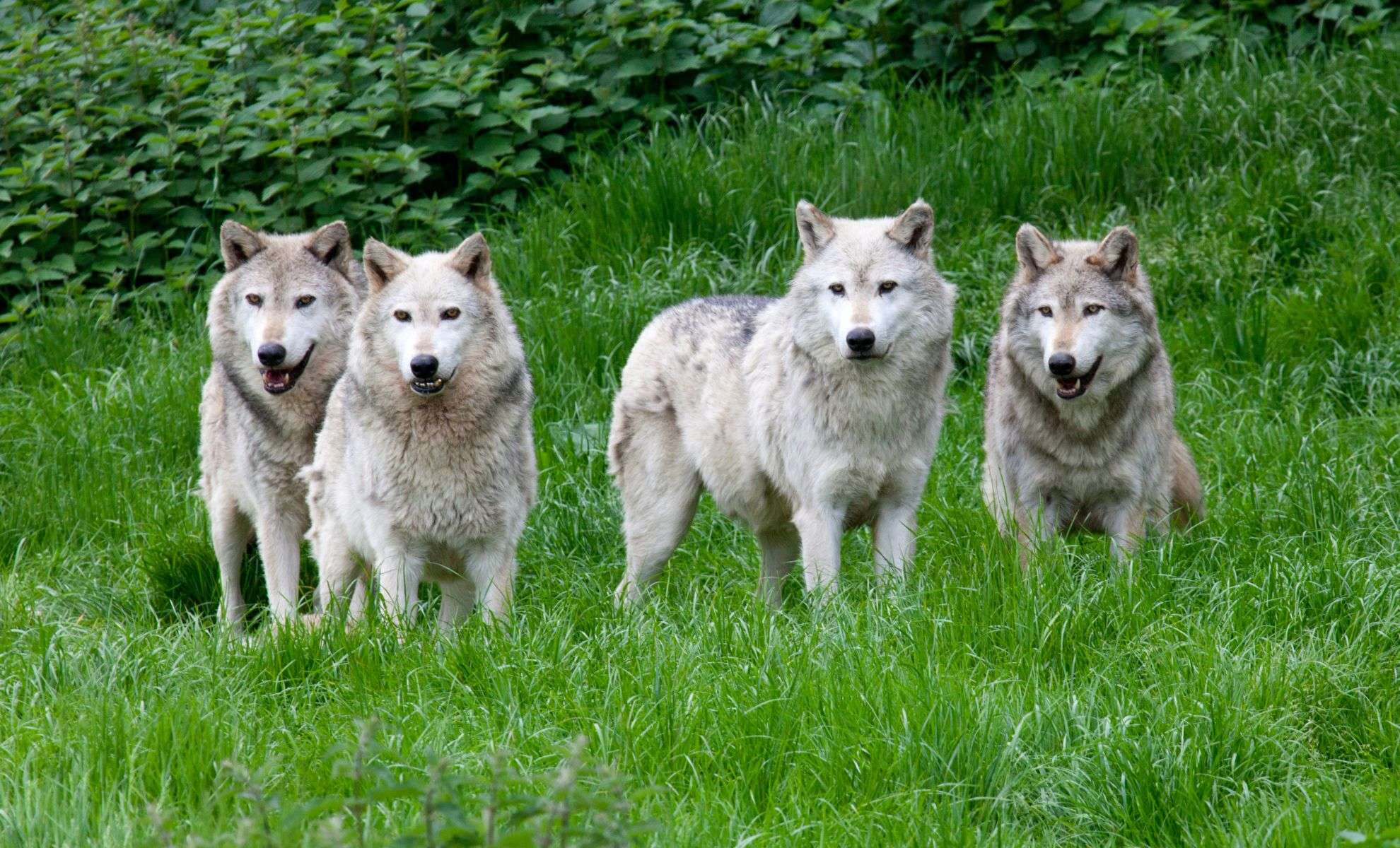
Researchers exploring the remote areas of the Northwestern United States have made an extraordinary finding: the largest wolf pack ever documented on the continent.
As reported by Animals Around The Globe, this revelation signifies a major advancement for wildlife biology and conservation efforts in North America.
Examining the Structure of an Unprecedented Pack
This wolf group boasts over 20 members, a size considerably greater than the typical wolf pack that commonly consists of fewer than 10 individuals.

Experts highlight that such a large pack reflects the robustness of the local ecosystem and the positive impact of recent habitat restoration initiatives.
Combining GPS telemetry, drone surveillance, and traditional observational techniques, scientists have gained detailed insights into the pack’s interactions and movement.
The findings reveal a highly coordinated social system, where multiple family units collaborate during hunts and defend their territory collectively.
This intricate social arrangement demonstrates how wolf packs can evolve their behavior to better navigate environmental challenges and territorial pressures.
Role of Wolves as Apex Predators in Ecosystems
As apex predators, wolves play a pivotal role in maintaining ecological equilibrium by managing populations of herbivores and other prey species.
The extraordinary size of this pack enhances its capability to regulate populations of deer, elk, and similar animals. Additionally, it strengthens its defense against competitors and human disturbances.
Adaptation and Perseverance Amid Environmental Challenges
The discovery of such a sizable wolf pack illustrates the species’ remarkable resilience. Despite facing habitat destruction, hunting pressures, and conflicts with people over recent decades, wolves continue to adapt and recover.
Scientists suggest that larger packs benefit from their capability to pursue bigger prey, deter threats more effectively, and maintain cohesive social bonds.
The existence of this mega-pack in a formerly human-impacted habitat signals promising prospects for wolf population revival under appropriate conservation management.
Employing Advanced Tools to Monitor Wolf Behavior
Investigating this unprecedented wolf group involved integrating cutting-edge technology with conventional field research. Deploying GPS tracking collars, drones, and motion-activated cameras enabled the collection of comprehensive data on movement, hunting strategies, and territorial range.
This technological synergy has unlocked new understanding into pack dynamics, including hunting cooperation and social organization.
Such insights are essential not only for studying this unique pack but also for informing broader conservation policies and wildlife management.
Contemporary Challenges in Wolf Conservation
Ensuring sustainable populations of wolves necessitates habitat protection, anti-poaching measures, and mitigation of human-wildlife conflicts.
The revelation of this expansive pack has fueled renewed conversations on the value of designated protected zones and promoting coexistence policies that allow wolves to navigate landscapes with minimal human interference.
Nonetheless, conservationists continue to face challenges balancing the interests of livestock owners and hunters in areas where wolves are perceived as threats.
Key Drivers of Wolf Pack Success
Abundant prey availability is critical for the perseverance of large wolf groups.
The locale of this record-setting pack is rich in ungulates like deer and elk, providing a dependable food base.
Such plentiful resources reduce intra-pack competition and support the pack’s long-term viability.
- Categories:
- Nature












0 comments
Sign in to Comment