
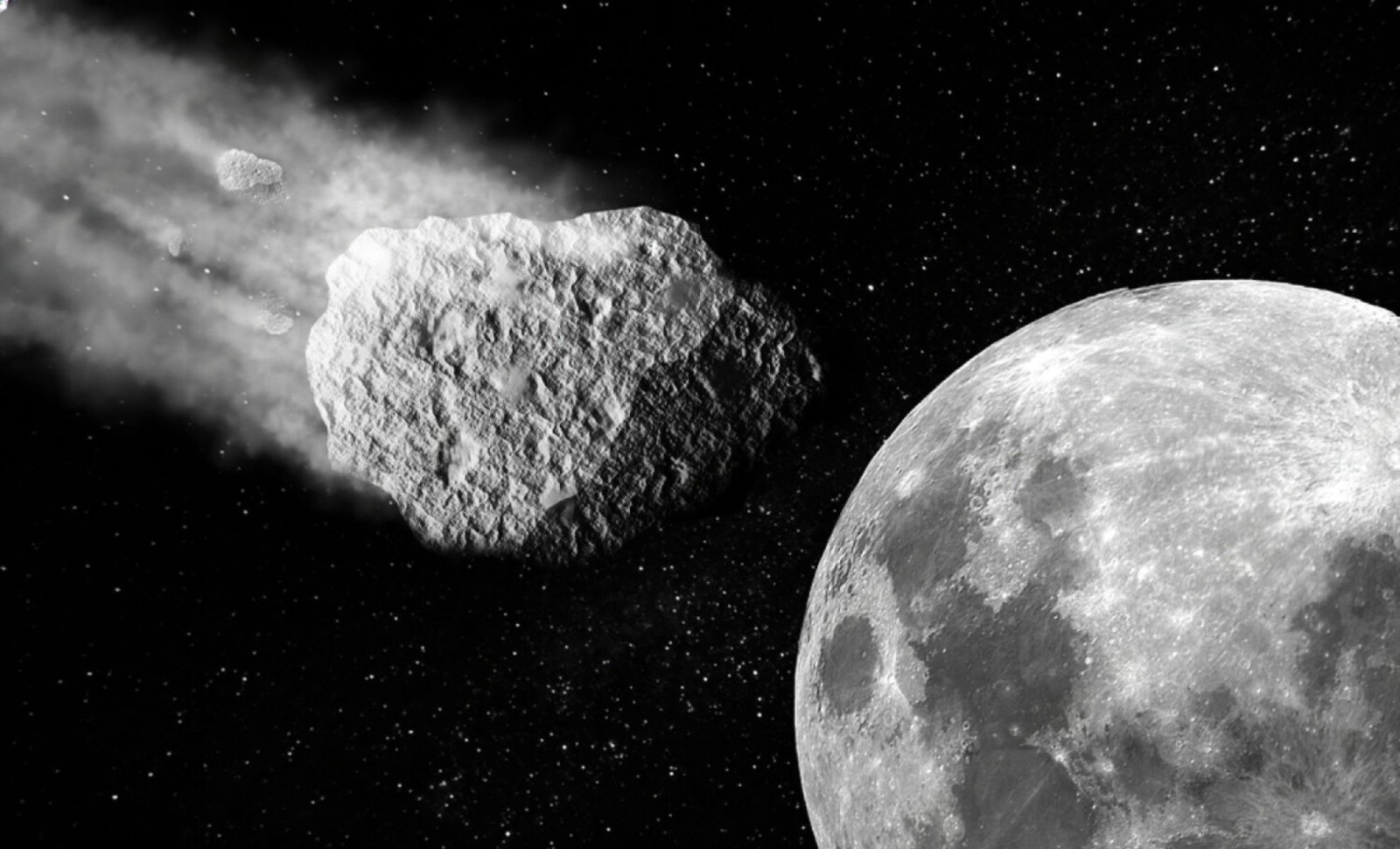
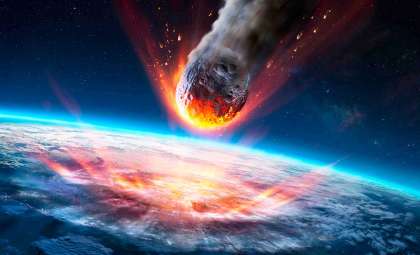
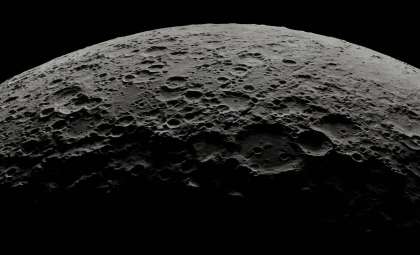
An asteroid roughly the size of a small structure, recently identified, might collide with the Moon on December 22, 2032. Although the chances are slim, experts warn the resulting effects could be seen from Earth and might pose risks to satellites and astronauts.
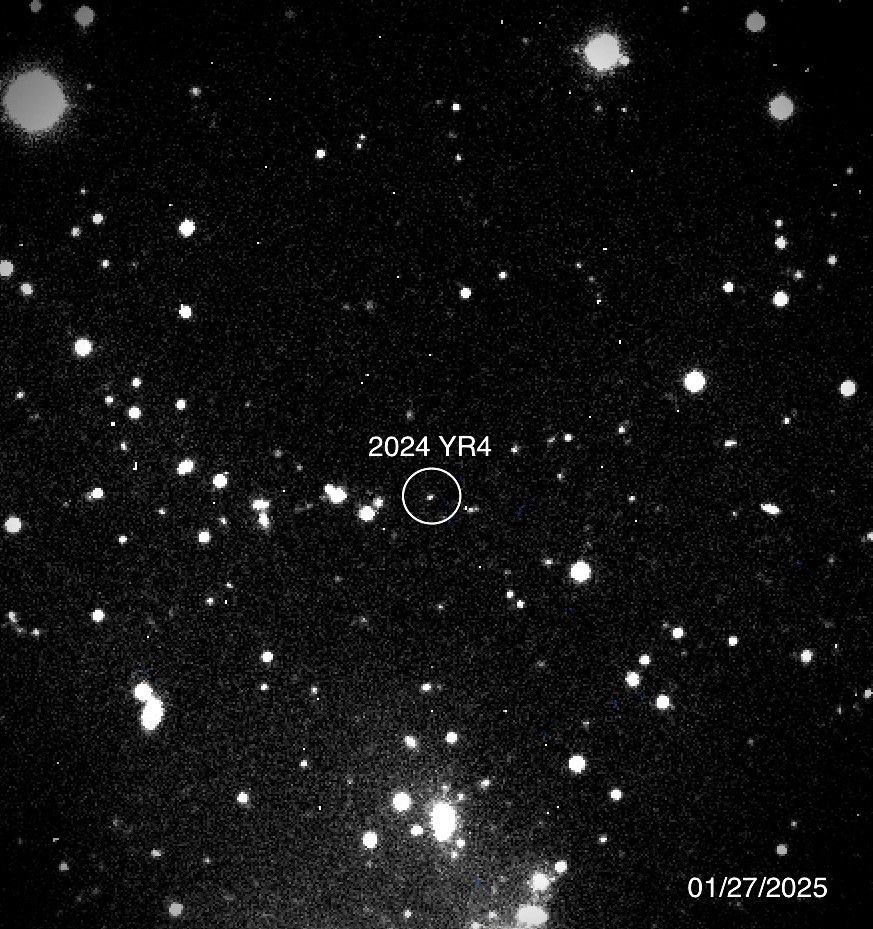
The near-Earth object named 2024 YR4, discovered in December 2024, has been under close observation. While early fears of it striking Earth have diminished, scientists are now focusing on the possibility of it impacting the Moon, which could have notable consequences.
Earthview Possible as Impact Releases Intense Energy
At the recent American Geophysical Union conference, researchers discussed that a collision with the Moon could eject numerous tiny meteoroids into near-Earth orbit. While the odds of a lunar strike sit at approximately 4 percent, there’s about a 1 percent chance that debris from the event might threaten orbiting satellites and future manned missions, according to Science News.

Should 2024 YR4 impact the Moon, the explosion’s power would be equivalent to 6 million metric tons of TNT, roughly 400 times the force of the Hiroshima atomic bomb, noted NASA space engineer Brent Barbee.
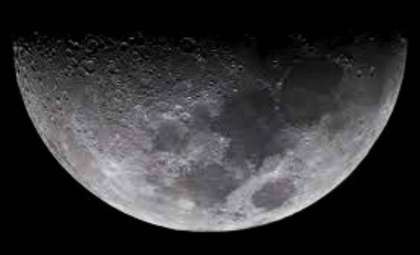
Johns Hopkins University Applied Physics Laboratory astronomer Patrick King indicated the explosion could potentially be observed from Earth depending on local viewing conditions, especially in Hawaii and the western US. His models suggest that about 86 percent of possible impact sites are on the Moon’s near side, increasing chances of visibility.
Challenging Threat From a Small But Dangerous Object
Though relatively modest at around 60 meters wide, asteroid 2024 YR4 remains a difficult challenge. Its exact composition and mass have yet to be confirmed, complicating attempts to divert it with existing space defense approaches. Barbee explained in a session that while direct deflection may be unrealistic, alternative strategies such as hitting it with a high-speed impactor or deploying a nuclear device to fragment the asteroid might be considered.
Timing for any such operation is crucial; interventions must occur at least three months before impact. Barbee also highlighted the urgency to design and launch a reconnaissance probe soon to better understand the object’s nature if mitigation efforts are to be effective.
“If there are any missions to YR4, they would essentially need to start their development very, very soon,” Barbee warned during his presentation.
James Webb Telescope to Help Clarify Impact Risk
The James Webb Space Telescope (JWST) is slated to study the asteroid again in February 2026. According to Barbee, this observation could dramatically adjust impact risk estimates, either increasing concern or potentially eliminating the threat. If JWST can’t perform the observation, plans may need to proceed amid significant uncertainty.
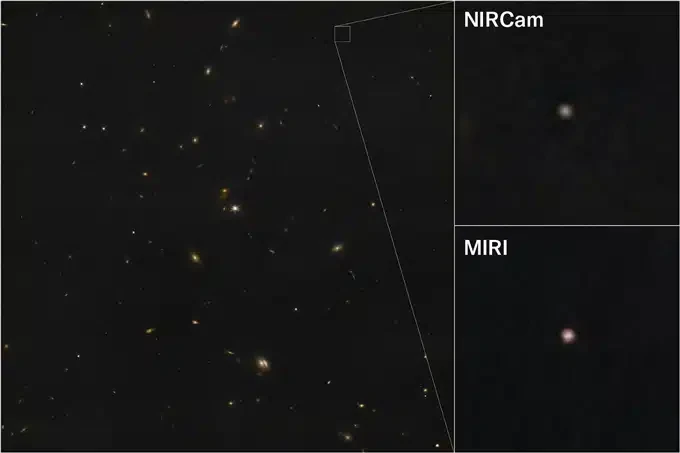
Initial imaging from JWST’s NIRCam and MIRI instruments in March 2025 helped approximate 2024 YR4’s size and refined its flight path, reducing concern over Earth impact. Now, with focus shifted to the Moon, the window for accurate assessment and response is narrowing.
- Categories:
- Astronomy




0 comments
Sign in to Comment