
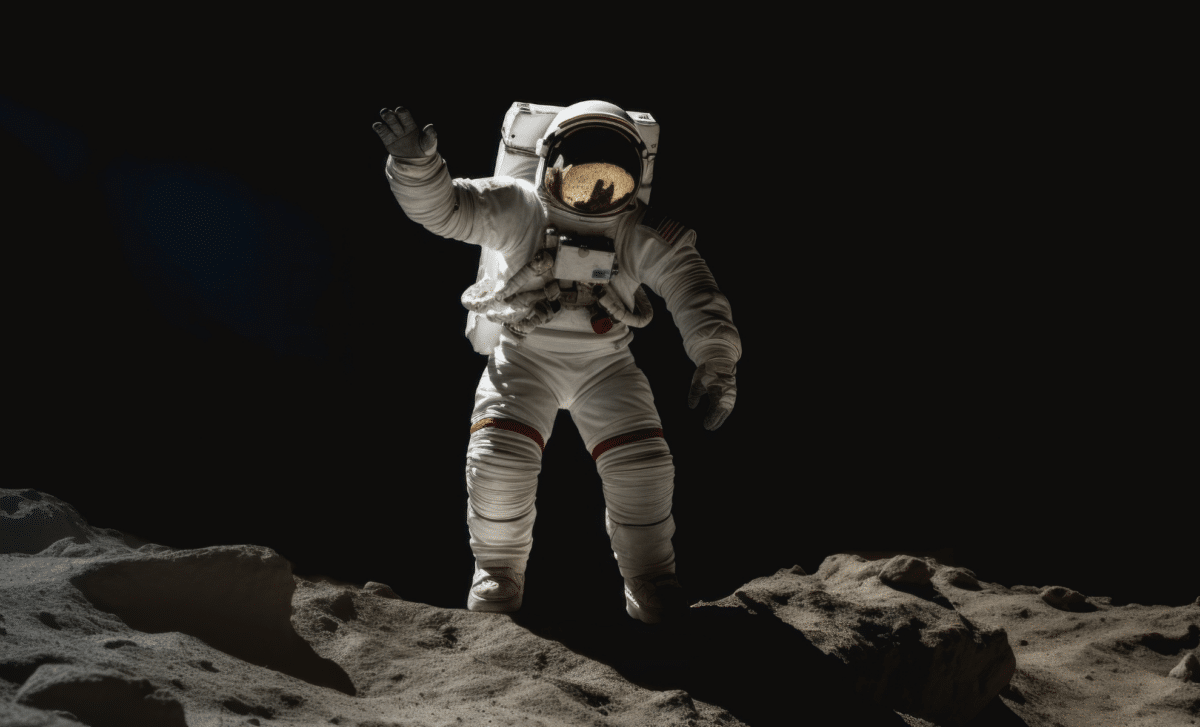
Once considered lifeless and barren, the lunar surface is now gaining attention for its surprising potential to support human life, thanks to recent findings published in Communications Earth & Environment. Scientists from the University of Rochester have uncovered evidence that Earth's atmosphere could have enriched the moon’s soil with essential compounds, opening new avenues for sustainable lunar exploration.
Linking Earth’s Atmosphere with the Composition of Lunar Soil
The moon has fascinated researchers for decades, especially as humanity plans to extend its presence beyond Earth. Previously viewed as a desolate landscape covered mainly in dust and rock fragments, the moon's surface is now thought to harbor resources vital for human survival. Recent investigations suggest that these resources may derive from Earth itself.
A collaborative research effort at the University of Rochester, detailed in the Communications Earth & Environment, focused on the journey of tiny particles originating from Earth's atmosphere that have gradually reached the lunar surface over eons. The study proposes that these particles, containing life-supporting elements like water and nitrogen, have been steadily deposited by solar wind, potentially supplying astronauts with critical materials for sustaining life during long-term lunar missions.

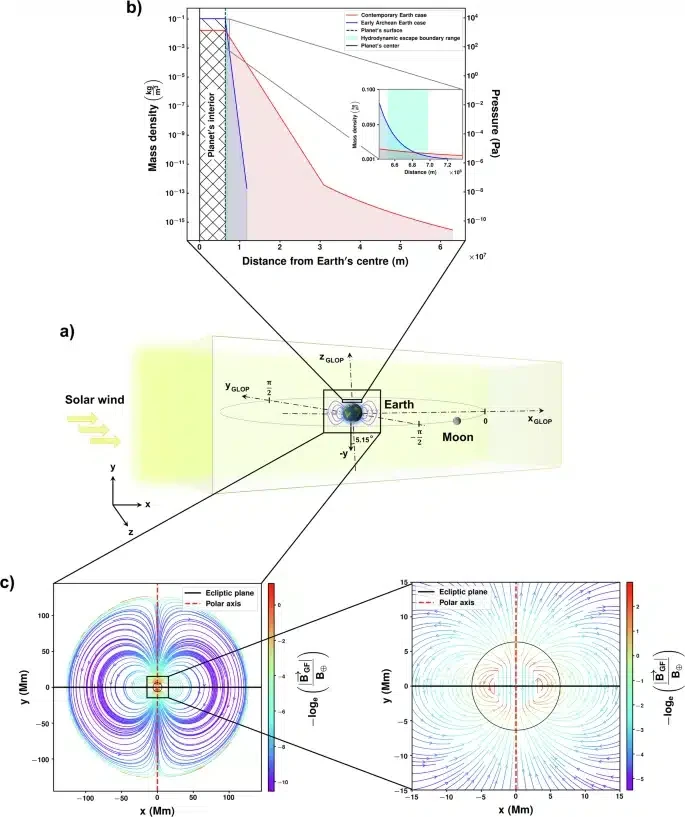
“By combining data from particles preserved in lunar soil with computational modeling of how solar wind interacts with Earth’s atmosphere, we can trace the history of Earth’s atmosphere and its magnetic field,” says Eric Blackman, a professor in the Department of Physics and Astronomy and a distinguished scientist at the University of Rochester’s Laboratory for Laser Energetics (LLE).
Advanced computational models simulating solar wind interaction with Earth’s atmospheric layers paved the way for this pivotal discovery.
The Role of Earth’s Magnetic Field in Delivering Atmospheric Particles to the Moon
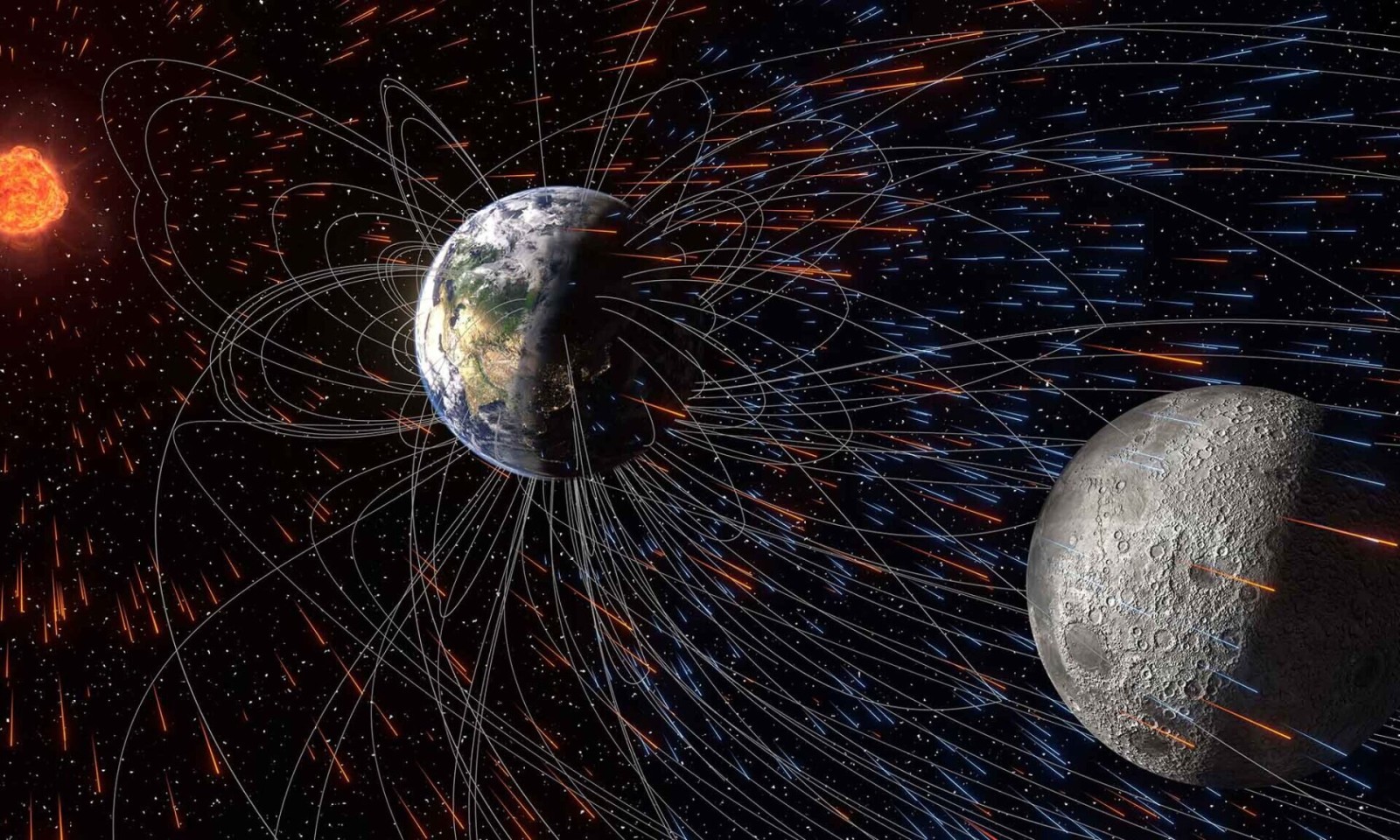
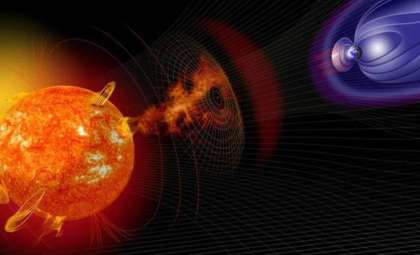
The study highlights Earth’s magnetic field as a key driver in this particle transfer. Contrary to prior assumptions that it would block atmospheric particles from escaping, the magnetic field appears to channel these particles into space instead.
Researchers contrasted two models—one without any magnetic field and another incorporating Earth’s actual magnetic presence. Findings reveal that, in today’s Earth scenario, charged atmospheric particles are dislodged by the solar wind and follow magnetic field lines extending far into space, some reaching the moon. Over billions of years, this constant flow has embedded components of Earth’s atmosphere within the lunar regolith.
This suggests lunar soil could preserve a timeline of Earth’s atmospheric composition, providing a new tool to study our planet’s climatic evolution and the influence of its magnetic shield on maintaining habitability.
What This Means for Upcoming Lunar Exploration and Colonization
The ramifications of these findings reach far beyond academic curiosity, particularly in the context of establishing human bases on the moon. While terraforming remains a distant goal, the discovery that lunar soil already contains water, nitrogen, carbon dioxide, and other volatiles offers new hope for in-situ resource utilization, substantially lowering dependency on Earth-supplied provisions.
“We now know that lunar soil could hold more volatiles than previously thought,
” said Shubhonkar Paramanick, a graduate student involved in the study. “This opens up the possibility of using lunar soil to support agriculture or to generate life-sustaining gases.”
Access to these materials may enable astronauts to cultivate crops, produce breathable air, and extract water locally—critical capabilities for sustainable lunar habitation.
The implications extend beyond our moon, providing insight into how atmospheres evolve and escape on other planets without protective magnetic fields.
“Our study may also have broader implications for understanding early atmospheric escape on planets like Mars, which lacks a global magnetic field today but had one similar to Earth in the past, along with a likely thicker atmosphere,” Paramanick explains.
Analyzing how planetary magnetic fields affect atmospheric retention could deepen our understanding of planetary habitability across the solar system.
Lunar Regolith: A Window into Earth’s Atmospheric Past
Far from being mere dust, lunar soil may act as a time capsule holding a chemical archive of Earth’s atmospheric evolution. Scientists believe that by studying these embedded particles, they can reconstruct shifts in Earth’s climate and atmospheric composition over billions of years.
Moreover, the revelation that Earth’s magnetic field has facilitated the transfer of atmospheric particles to the moon over geological timescales presents a continuous exchange that enhances our understanding of planet-moon interactions, Earth's atmospheric history, and broader planetary habitability.
- Categories:
- Astronomy






0 comments
Sign in to Comment