
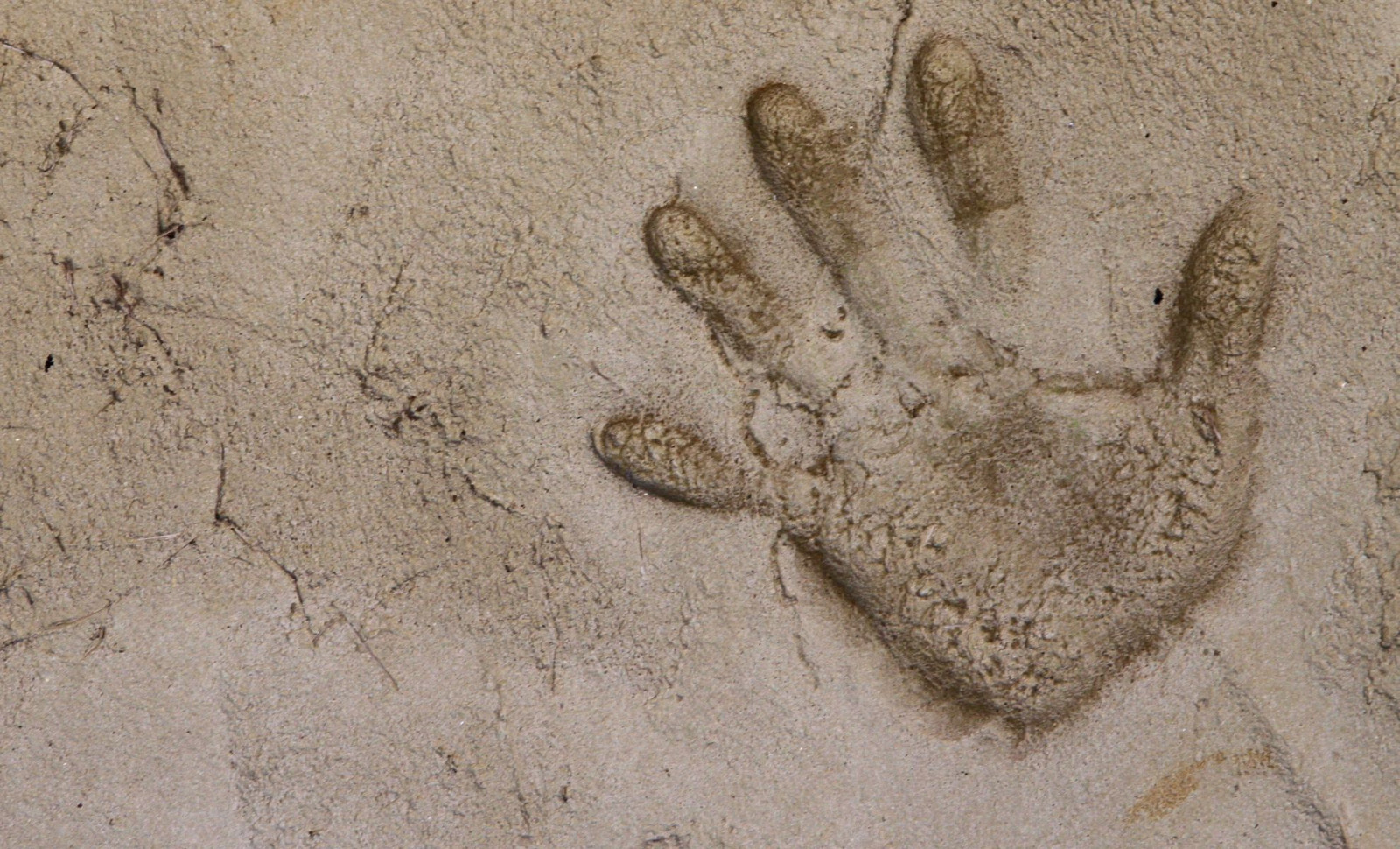
Experts have uncovered a potter’s handprint dating back about 4,000 years on the underside of a clay “soul house,” a funerary item traditionally placed in Egyptian tombs.
This hidden imprint was revealed by researchers at the Fitzwilliam Museum in Cambridge, where the clay piece will be displayed in an upcoming show highlighting the artisans and laborers of ancient Egypt.
The particular clay soul house bearing this mark originates from the period between 2055 and 1650 B.C.. Though the relic has been known for some time, the discovery of a full handprint offers an exceptionally intimate connection to its maker.

A Concealed Handprint Unearthed
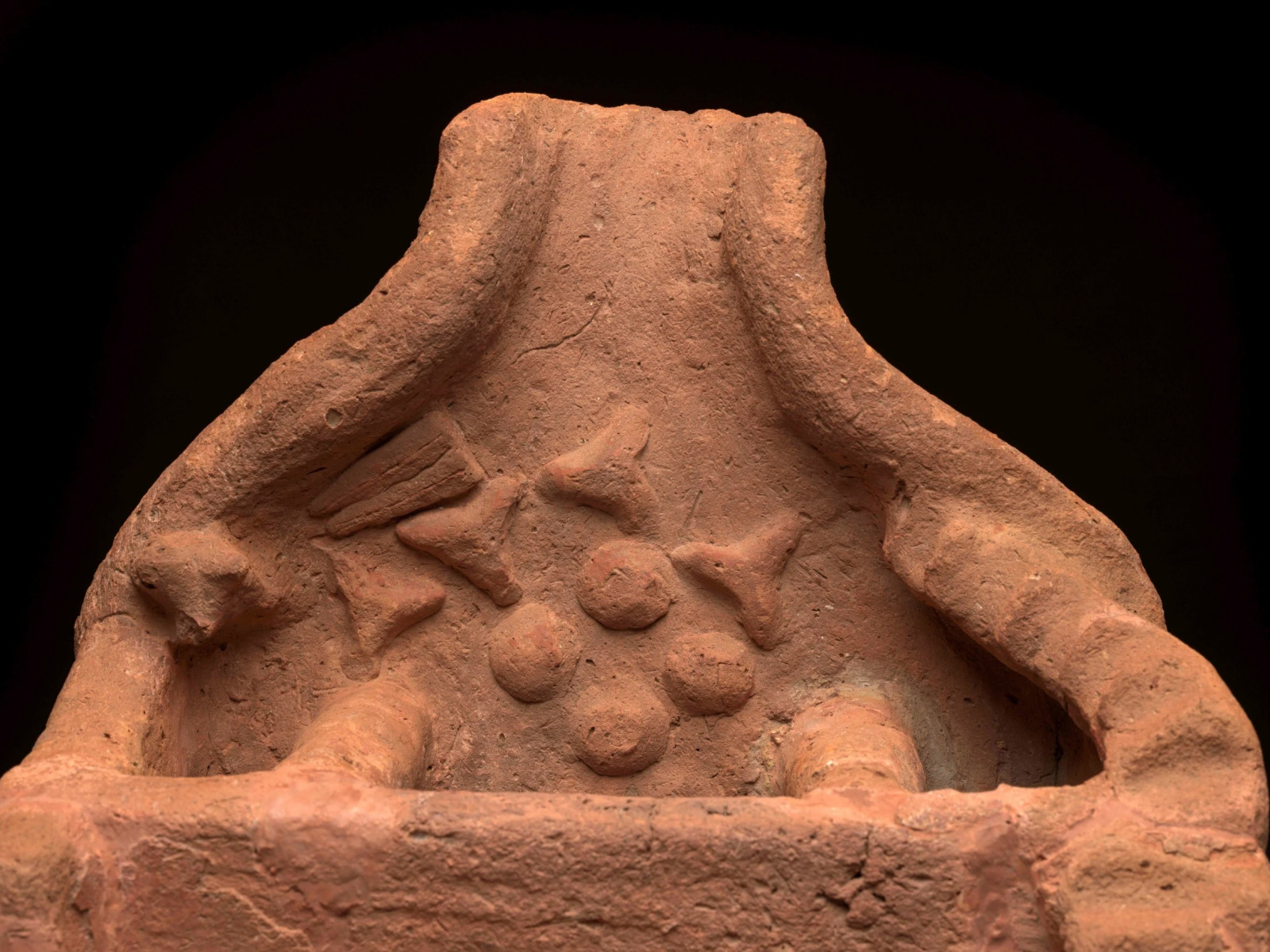
The handprint appeared on the base of a soul house — a miniature clay model resembling a building with an open courtyard. These models were typically placed in tombs to hold food and offerings intended for the deceased.
Specialists at The Fitzwilliam Museum suggest that the imprint was made when the potter handled the artifact before it was fully dried, most likely moving it before it was fired in a kiln.
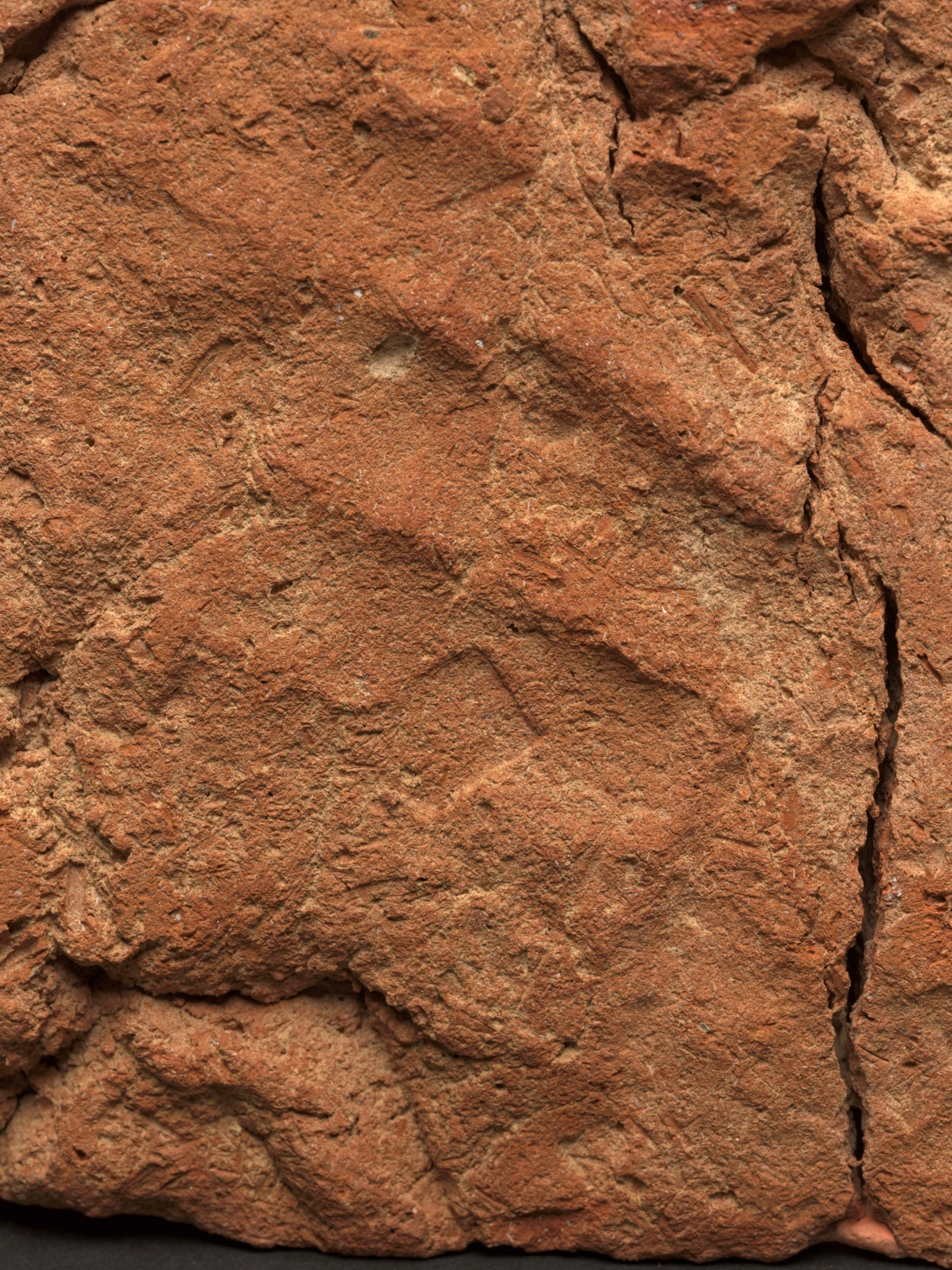
According to a statement by the University of Cambridge, finding such a complete handprint on an Egyptian artifact is exceptionally rare. More often, archaeologists encounter partial fingerprints in the varnish or decoration but rarely a full handprint.
“We’ve spotted traces of fingerprints left in wet varnish or on a coffin in the decoration, but it is rare and exciting to find a complete handprint underneath this soul house,” said Helen Strudwick, senior Egyptologist at the museum.
The handprint, being underneath the object, remained unseen for thousands of years.
Crafting Methods Behind the Soul House
This artifact also sheds light on pottery techniques from ancient Egypt. Researchers theorize that the soul house was initially constructed over a skeleton of wooden sticks before being covered with clay. The final model depicted a two-story structure with pillars, and features such as stairs were molded manually.
After shaping, the object was kiln-fired, during which the wooden framework burned, leaving hollow spaces inside the clay model.
The handprint likely formed during the last production steps when the potter lifted the soul house to let it dry prior to firing.
“I have never seen such a complete handprint on an Egyptian object before,” Strudwick said. “You can just imagine the person who made this, picking it up to move it out of the workshop to dry before firing.”
The Ancient Artisan Revealed
This find arrives as The Fitzwilliam Museum readies its Made in Ancient Egypt exhibition, which highlights the skilled workers behind numerous ancient artifacts.
Clay was a prevalent material in ancient Egyptian craftsmanship, sourced from Nile silt or shale, and utilized for both functional and decorative items. Despite this, the people shaping these objects were often undervalued.
A BBC report noted that some ancient Egyptian writings likened potters to pigs wallowing in mud, which partly explains why more is known about artifacts than the creators behind them.
“This takes you directly to the moment when the object was made, and to the person who made it, which is the focus of our exhibition,” noted Strudwick.
The exhibit seeks to restore recognition to these artisans by displaying work documents, transactional records, and unfinished items. This newly uncovered handprint aligns perfectly with these goals.
- Categories:
- Science






0 comments
Sign in to Comment