
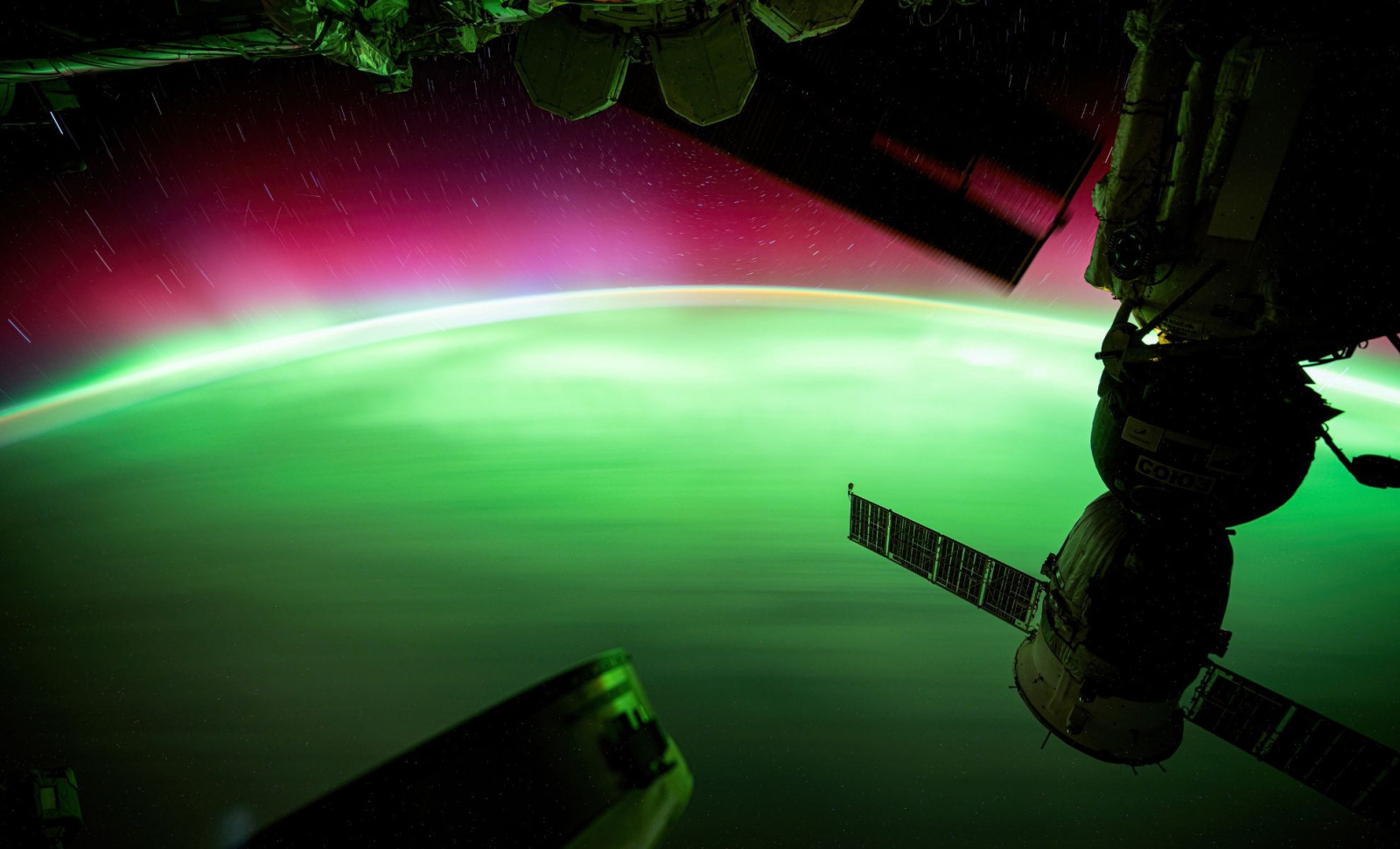
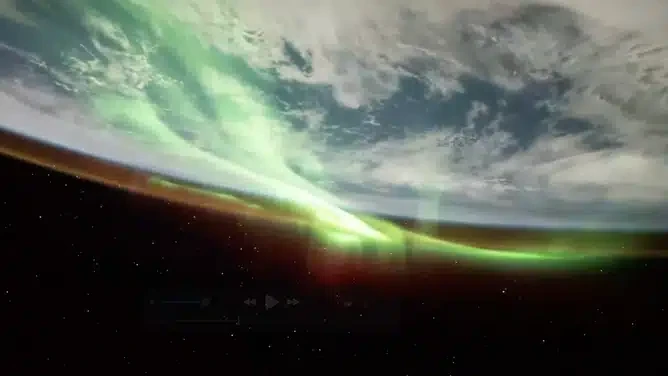
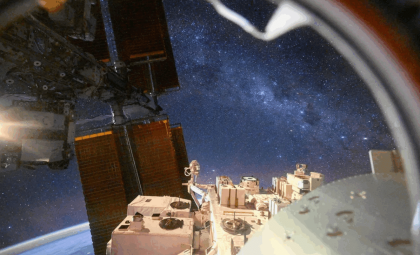
Vivid emerald waves once again illuminated Earth’s upper atmosphere, beautifully documented in a mesmerizing timelapse filmed from the International Space Station (ISS). The recently released NASA video shows the planet’s edge glowing with vibrant auroral ribbons as a strong solar flare approached Earth.
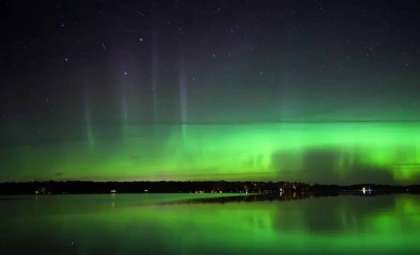
Auroras serve as dynamic markers of space weather activity. They are created when charged solar particles collide with Earth’s magnetic field, signaling periods of increased solar disturbances. As the Sun becomes more active, these spectacular displays are becoming both more frequent and intense.
Viewing Auroras from Orbit: Insights from the ISS
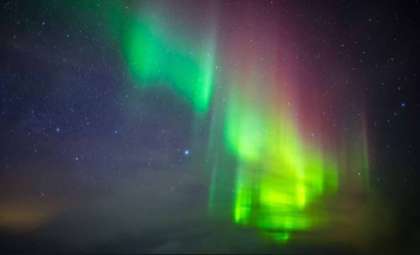
Shot amid a recent geomagnetic event, the video released by NASA showcases Earth’s horizon bathed in a faint orange glow formed by the upper atmosphere, with striking green auroras hovering above. Fox Weather reports that these visuals highlight the typical elevation range of auroras, generally found between 80 to 300 kilometers altitude. Observing from the ISS offers a unique perspective on their scale and fine details.

This footage offers an uncommon orbital vantage point on an atmospheric phenomenon often seen from the ground. It illuminates the ongoing energetic exchange between our planet and the Sun. The characteristic green hues arise mainly from oxygen atoms excited by solar particles, while nitrogen molecules contribute occasional blue and purple tones, according to NASA’s detailed explanation.
Solar Flare Sparks Recent Geomagnetic Storms
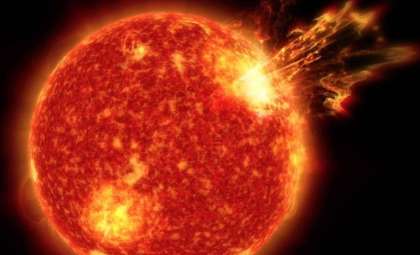
The auroral display seen here likely followed a powerful solar flare event on February 3, one of several eruptions occurring recently. Such flares often accompany coronal mass ejections (CMEs), large expulsions of solar plasma directed toward Earth. When these CMEs collide with our magnetic field, they can trigger geomagnetic disruptions and lead to visible auroral storms.
Both NASA and NOAA emphasize that while these geomagnetic events are visually spectacular, they may also impact satellites, electrical grids, and communication networks. Fortunately, the main effects here were atmospheric, producing widespread auroral activity. Observers reported sightings of the northern lights across parts of the United States and Europe in late January and early February, including unexpected locations like Missouri, Colorado, and Wiesbaden, Germany.
ORBITAL GLOW: Stunning new footage from the International Space Station shows green auroras rippling over the Earth. pic.twitter.com/54Y1lOCuSj
— Fox News (@FoxNews) February 6, 2026
Widespread Auroras Illuminate Southern Skies
During this surge in solar activity, the Northern Lights expanded far beyond their usual zones. Reports and images highlighted by Fox Weather indicate that residents in areas such as Lexington, Virginia, and Athens, Alabama, witnessed the remarkable light displays. In some sightings, the auroras showed a distinct red glow visible to the unaided eye. Passengers on flights bound for Iceland even captured these lights through aircraft windows.
Social media posts revealed how widely visible the aurora had become, demonstrating the intense reach of the recent geomagnetic storm. For example, a witness in Floyd County, Kentucky, described the glow as clearly observable without special instruments. These widespread sightings align with NOAA and NASA data showing that strong solar events can push auroral visibility well beyond typical latitudes.
- Categories:
- News






0 comments
Sign in to Comment