
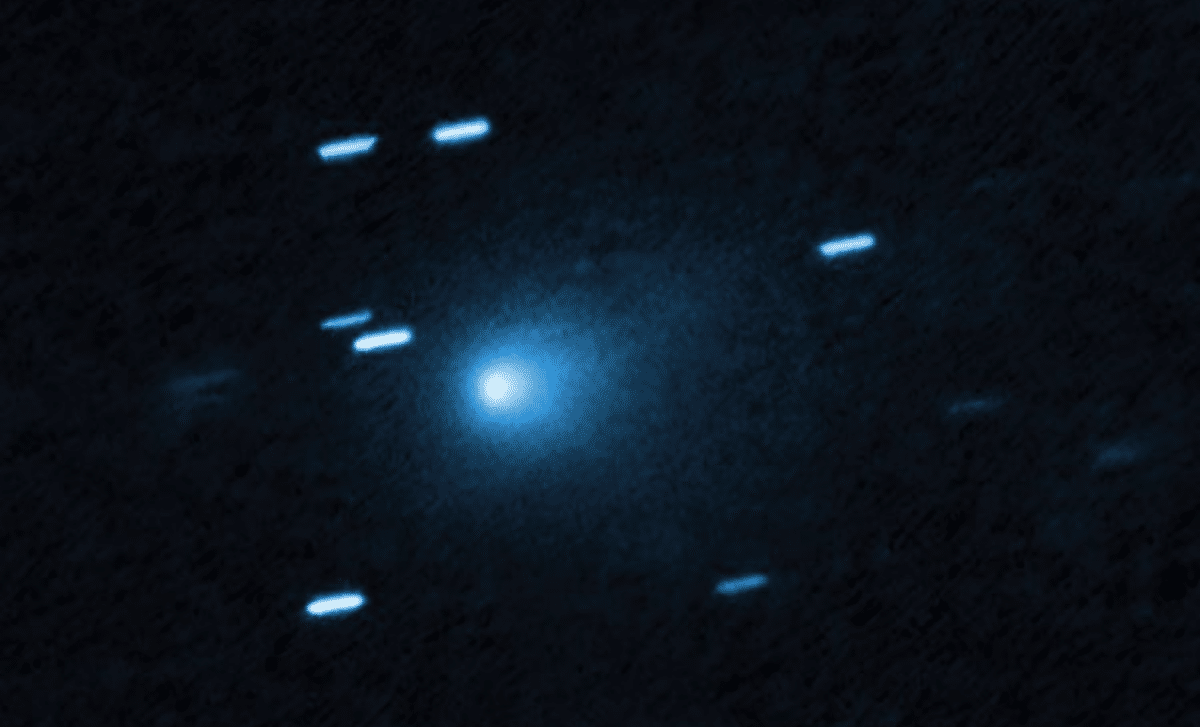
A recent radio frequency investigation targeting the interstellar visitor 3I/ATLAS has captivated the astronomy community and SETI experts alike. This study, recently uploaded to the arXiv preprint server, represents one of the most precise searches for extraterrestrial technosignatures ever performed. The findings provide a revealing update in the ongoing quest to detect intelligent life beyond Earth.
From Speculation to Scientific Evidence
The discovery of 3I/ATLAS on July 1, 2025 sparked intense curiosity and excitement. As only the third known interstellar object entering our solar system after 1I/ʻOumuamua (2017) and 2I/Borisov (2019), it quickly became a subject of intense scientific attention. This newly detected ISO was no different in igniting both scientific and public imagination.
From the outset, various hypotheses emerged suggesting that 3I/ATLAS might be more than a comet—potentially an alien probe in disguise. Despite its clear cometary traits, such as a visible coma and a spherical nucleus, speculation persisted about potential hidden artificial qualities. Its rarity alone made the object a prime candidate for a thorough scientific evaluation.

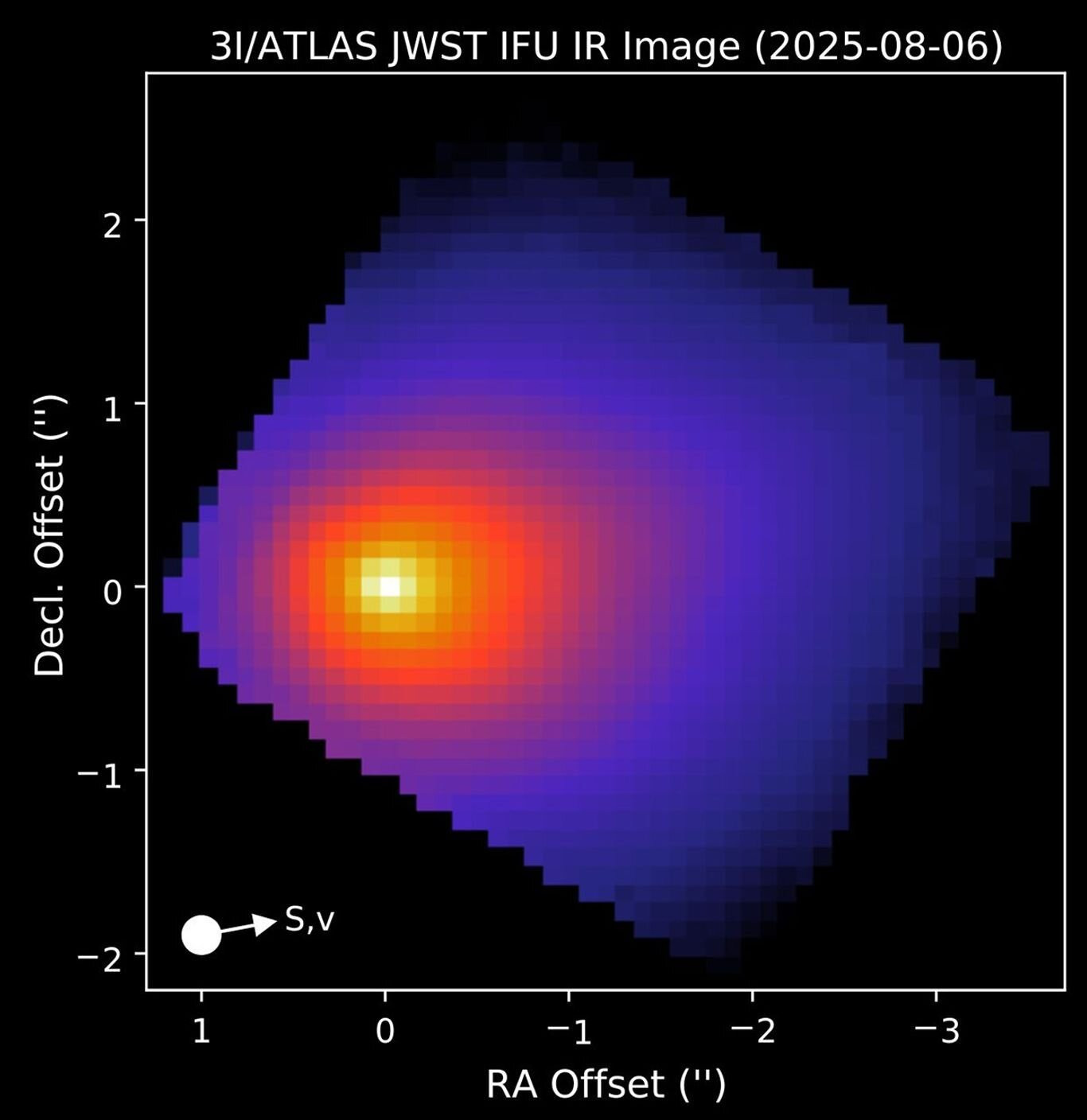
"To date, no evidence exists that these interstellar objects are anything but natural celestial bodies. However, due to the scarcity of observations—only three known ISOs—and the potential for interstellar probes serving as technosignatures, an exhaustive study is justified," the research team explained.
Green Bank Telescope Enables the Most Sensitive Radio Search
The comprehensive analysis occurred on December 18, 2025, just one day shy of 3I/ATLAS's closest approach to Earth. Utilizing the 100-meter Green Bank Telescope in West Virginia through the Breakthrough Listen project, astronomers performed what they describe as the most advanced radio frequency search to date targeting technosignatures from an interstellar visitor.
Researchers surveyed 3I/ATLAS across four radio frequency bands spanning 1 to 12 GHz—a spectral range favored for interstellar communication due to low background noise and effective space transmission. This initial search yielded over 471,000 potential signals.
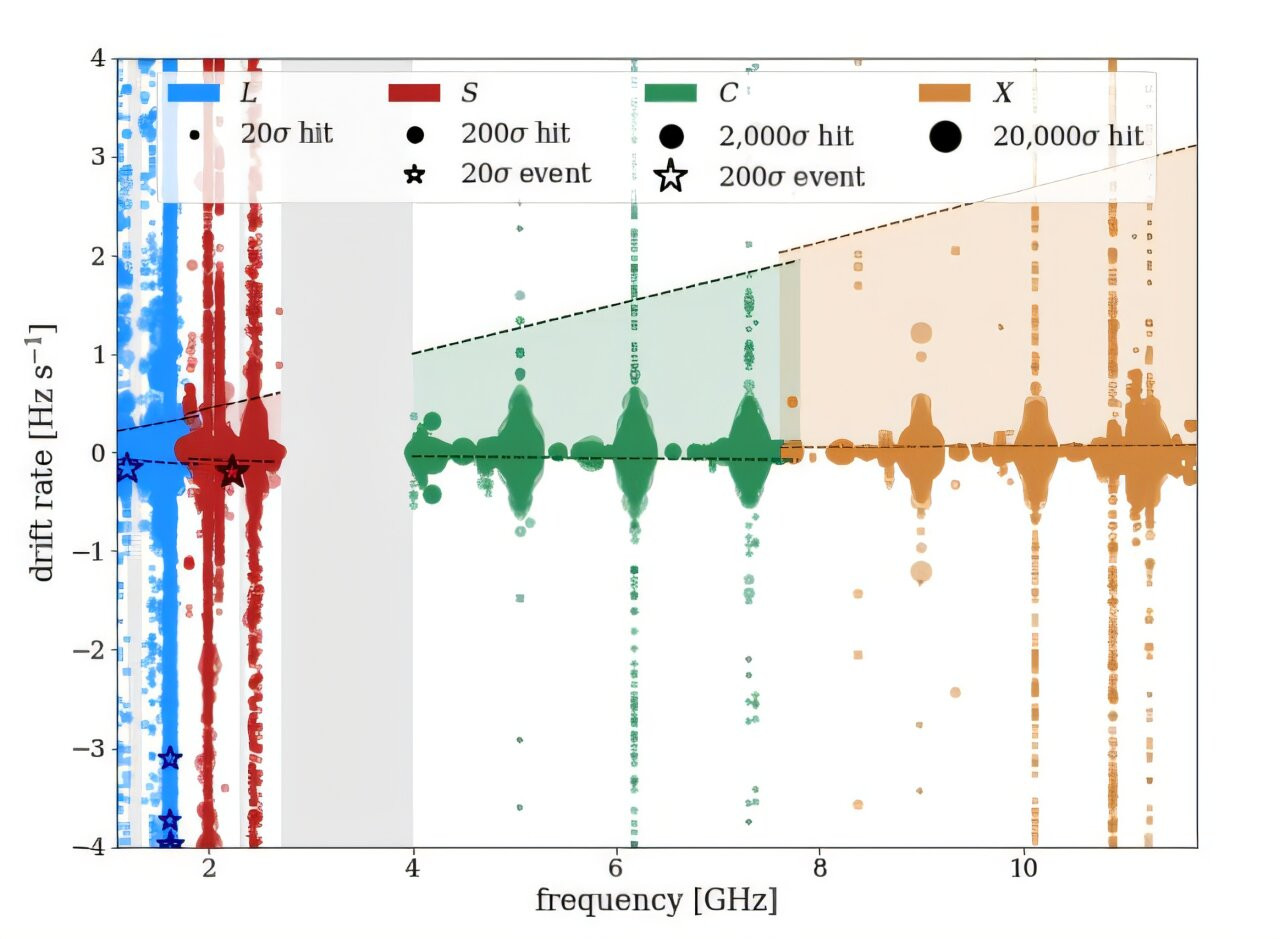
After refining the data with localization filters and exclusion of known terrestrial interferences, only nine candidates remained. Subsequent examination demonstrated all nine signals were false alarms caused by Earth-based interference or signals recorded during observations away from the target. No alien broadcasts were detected.
Published on arXiv, the study concludes no isotropic continuous-wave transmissions exceeding 0.1 watts are present at 3I/ATLAS's coordinates. For perspective, typical modern smartphones emit roughly 1 watt—signals of that magnitude would have been easily identifiable with the Green Bank Telescope.
Interpreting the Findings
The absence of detected extraterrestrial signals indicates that 3I/ATLAS is not an alien probe actively transmitting detectable signals. Moreover, if it had been emitting even low-power broadcasts, these would likely have been picked up by the highly sensitive radio survey.
This investigation sets a new benchmark for future interstellar object analyses and validates the feasibility of real-time technosignature detection.
Beyond the search for alien life, the data aids scientists in improving methods to differentiate genuine astrophysical signals from Earth's radio noise. Each newly discovered ISO offers a unique chance to refine detection technologies and extend observational limits.
The entire dataset from this radio survey is publicly accessible, fostering opportunities for independent study and verification—an essential practice in fields where critical scrutiny is paramount to avoid overlooking subtle evidence amid background noise.
Ongoing Pursuit of Extraterrestrial Technosignatures
Although 3I/ATLAS did not reveal alien transmissions, the innovative techniques developed during this search herald a new chapter in technosignature investigations. The Breakthrough Listen initiative remains actively scanning the universe for narrowband radio waves, laser bursts, and other indicators of intelligent life.
With the anticipated discovery of future interstellar objects and advancements such as the Square Kilometre Array and AI-enhanced signal processing, the chances of detecting remarkable extraterrestrial technologies continue to improve.
Meanwhile, astronomers maintain a vigilant, methodical approach. Although the cosmos remains quiet for now, our efforts to listen persist with greater precision than ever before.
- Categories:
- Space







0 comments
Sign in to Comment