
Approximately 512 million years ago, Earth's oceans faced a catastrophic extinction event, yet life endured as shown by fossil records. A recently uncovered fossil deposit in South China showcases a marine ecosystem in the aftermath of this crisis, preserved with astonishing clarity. Dubbed the Huayuan biota, this site captures not only skeletal remains but also soft tissues, internal organs, and entirely novel species.
This discovery sheds light on how marine life bounced back after the Sinsk extinction, which interrupted the rapid species surge known as the Cambrian explosion. Boasting over 8,600 fossils spanning 153 distinct species, almost 60% represent previously unknown forms of life.
Deep Marine Environment Provided Refuge for Species Survival
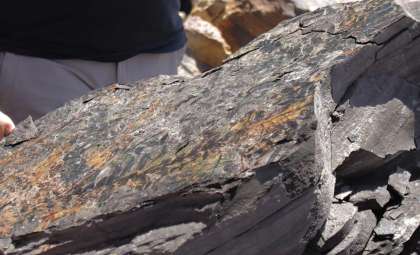
The research team led by Maoyan Zhu from the Chinese Academy of Sciences retrieved these exceptionally preserved fossils from a single location. This site qualifies as a Burgess Shale-type Lagerstätte, representing an exceptionally rare fossil deposit where delicate anatomical details, such as nerve tissues and digestive tracts, remain intact.

Unlike many other Lagerstätten capturing organisms from shallower waters, the Huayuan biota document a deep-water marine community. As detailed in the Nature publication, these creatures were preserved in their original habitat rather than transported from other environments.
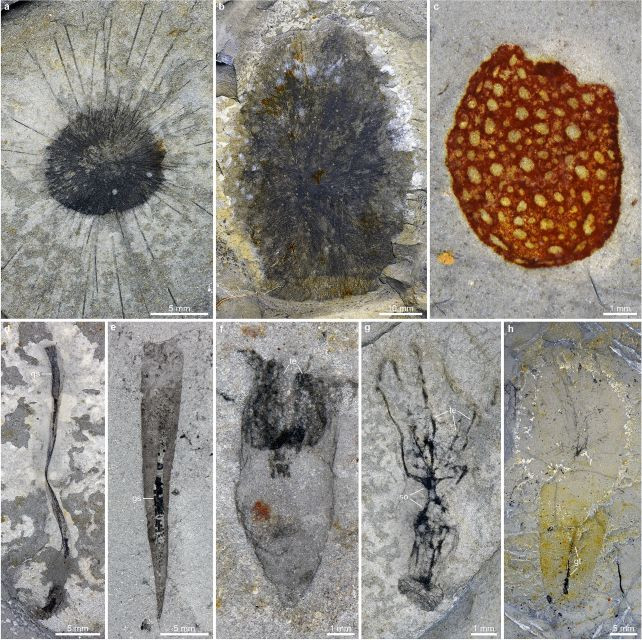
The fossil collection encompasses trilobites, sponges, comb jellies, anemones, and radiodonts—dominant predators in Cambrian seas. Additionally, vetulicolians, mysterious animals often found in clusters at Huayuan, suggest possible shoaling behavior. Importantly, the discovery of the oldest known pelagic tunicate—a free-swimming filter feeder common today—indicates early establishment of modern marine ecological roles.
Exceptional Soft-Tissue Preservation Offers Insight Into Ancient Anatomy
The Huayuan site stands out for preserving rarely fossilized biological details. Researchers observed gut diverticula, optic neuropils, and structures at the cellular level. One newly identified arthropod even contains a complete digestive system, an uncommon feature in fossils over half a billion years old.
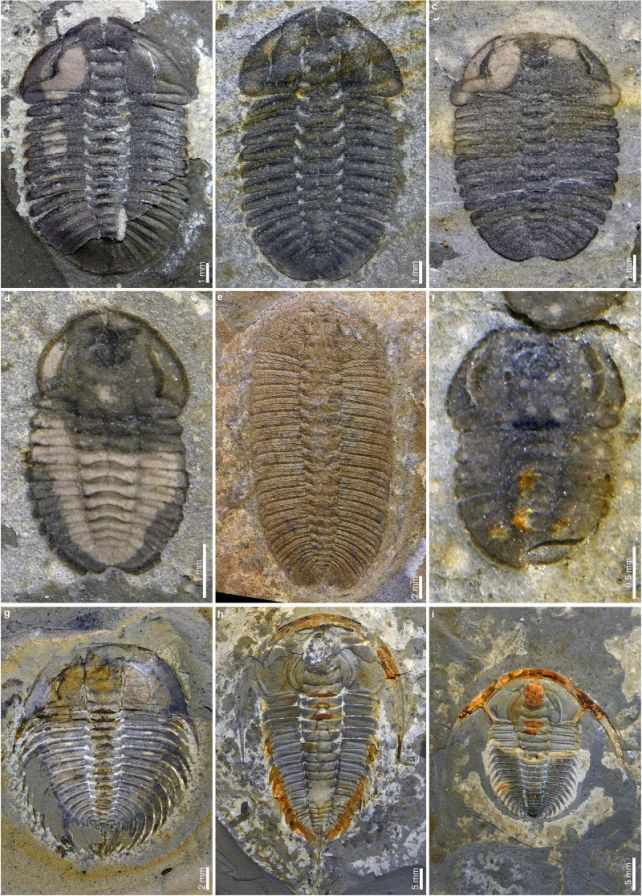
The meticulous preservation places the Huayuan biota among the most informative Cambrian fossil sites to date. With nearly 60% of the species newly identified, the site promises extensive future research opportunities in understanding early evolutionary processes.
Many fossils appear remarkably undisturbed, with their anatomies intact and not dismembered, suggesting rapid burial that conserved organisms in their natural living conditions.
Unexpected Connections Between Ancient Species Across the Globe
Despite vast distances and time gaps, the Huayuan biota displays notable similarities to renowned fossil sites like Canada's Burgess Shale. Scientists report that species once thought exclusive to Burgess Shale have also been found at Huayuan.
“The extraordinary biodiversity of the Huayuan biota provides a unique window into the Sinsk event by revealing the post-extinction recovery or radiation in the outer shelf environment,” the authors said.
These findings suggest a wider geographic range for certain Cambrian organisms than previously assumed and imply that comparable environmental conditions may have existed across distant marine zones.
- Categories:
- Science




0 comments
Sign in to Comment