
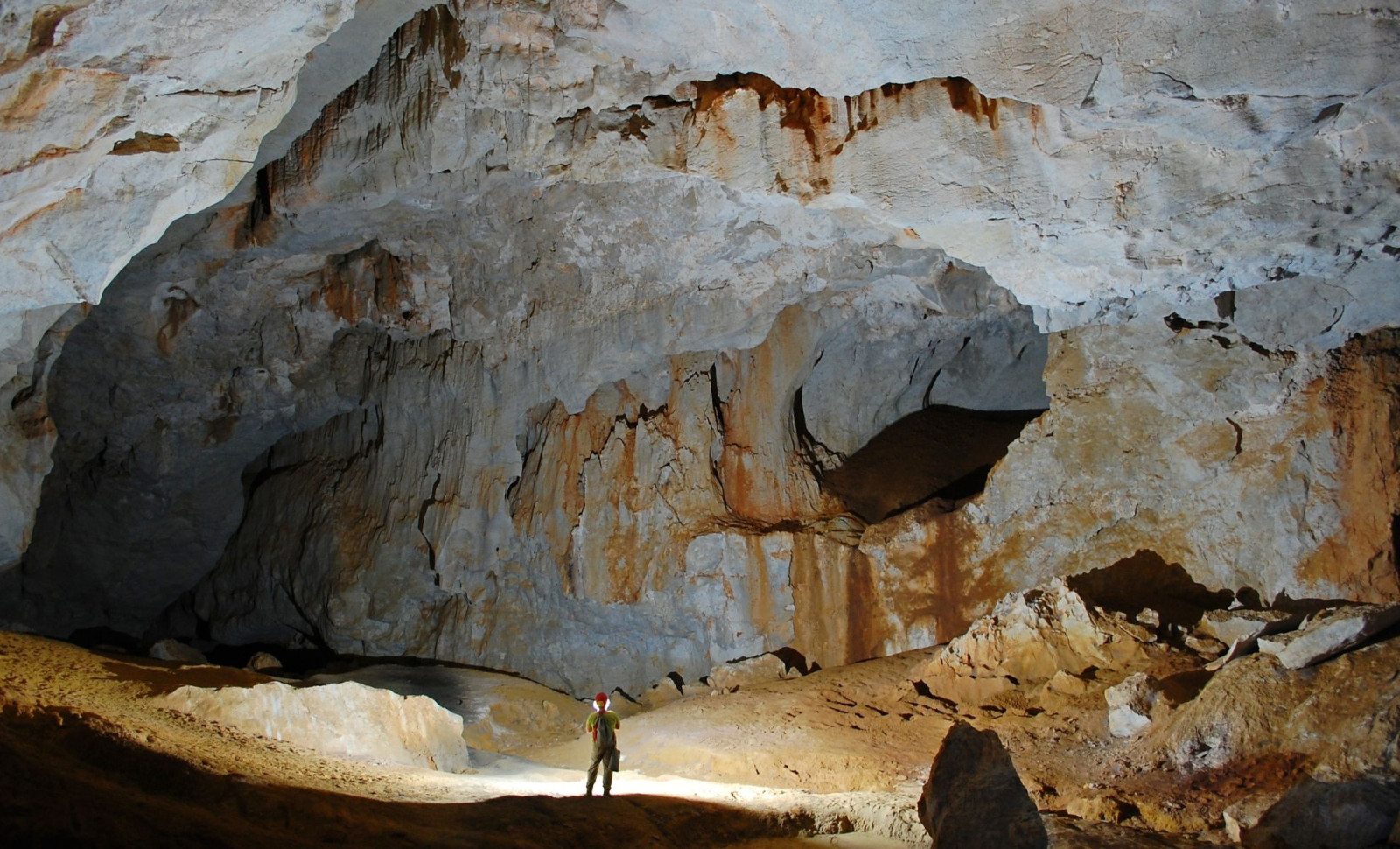
The Sahara today stands as the planet's largest hot desert, but a few millennia ago, the landscape was vastly different. New geological findings from cave formations in southern Morocco reveal a period marked by significantly higher rainfall.
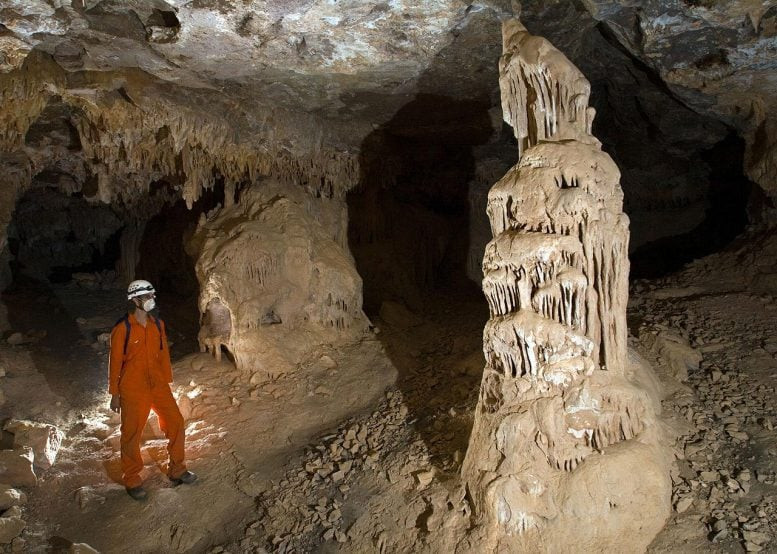
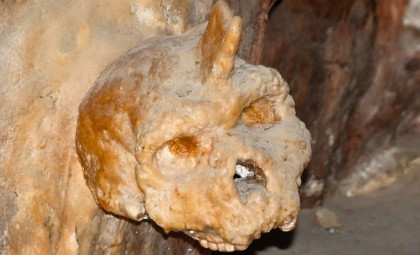
This insight is drawn from the analysis of stalagmites, the mineral deposits that grow from cave floors when water seeps through the ground above. These formations capture historical rainfall data, enabling researchers to piece together climatic conditions long before the advent of modern measurement tools.
Stalagmites Unlock Historical Climate Information
Stalagmites serve as natural archives for climate data, forming exclusively when rainwater penetrates soil and drips into caves. Over centuries, these mineral deposits accumulate in layers, containing chemical clues about the precipitation that formed them. This layering process offers a window into past environmental states.

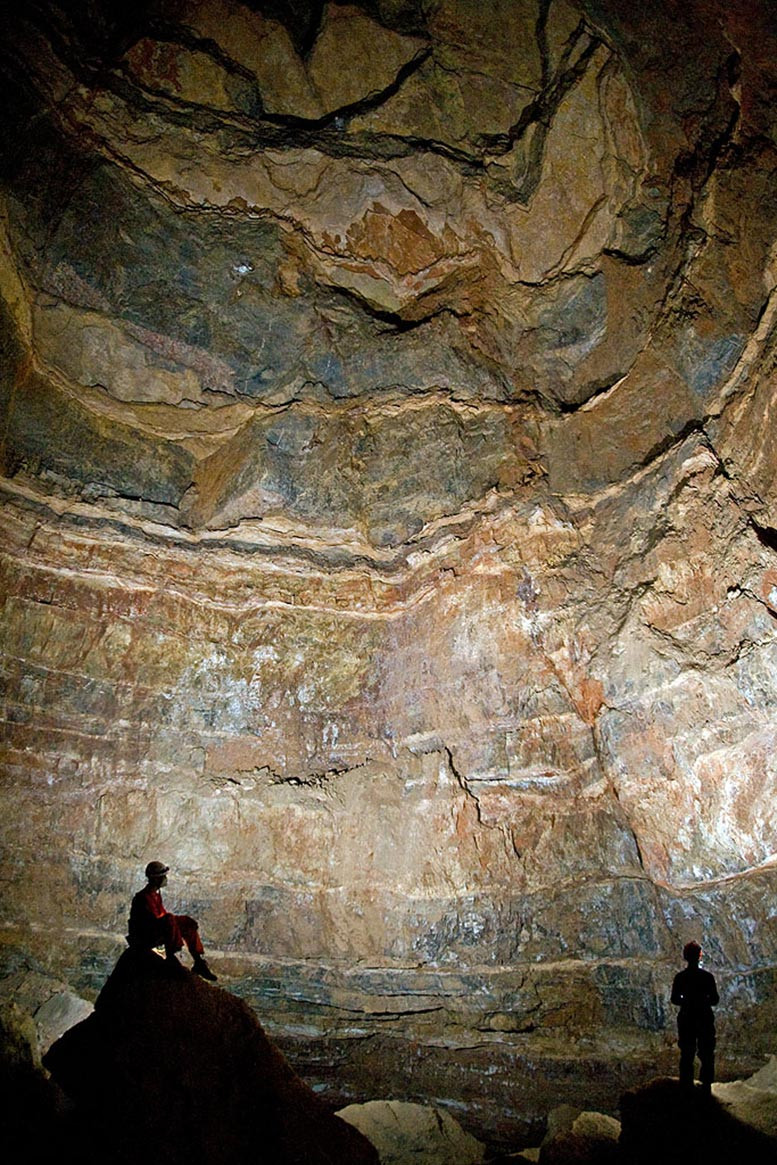
Published in Earth and Planetary Science Letters, the study involved extracting tiny stalagmite samples, some weighing only 0.25 grams, from caves situated south of the Atlas Mountains. By analyzing the ratios of uranium and thorium isotopes, scientists established timelines for when these formations grew and ceased development.
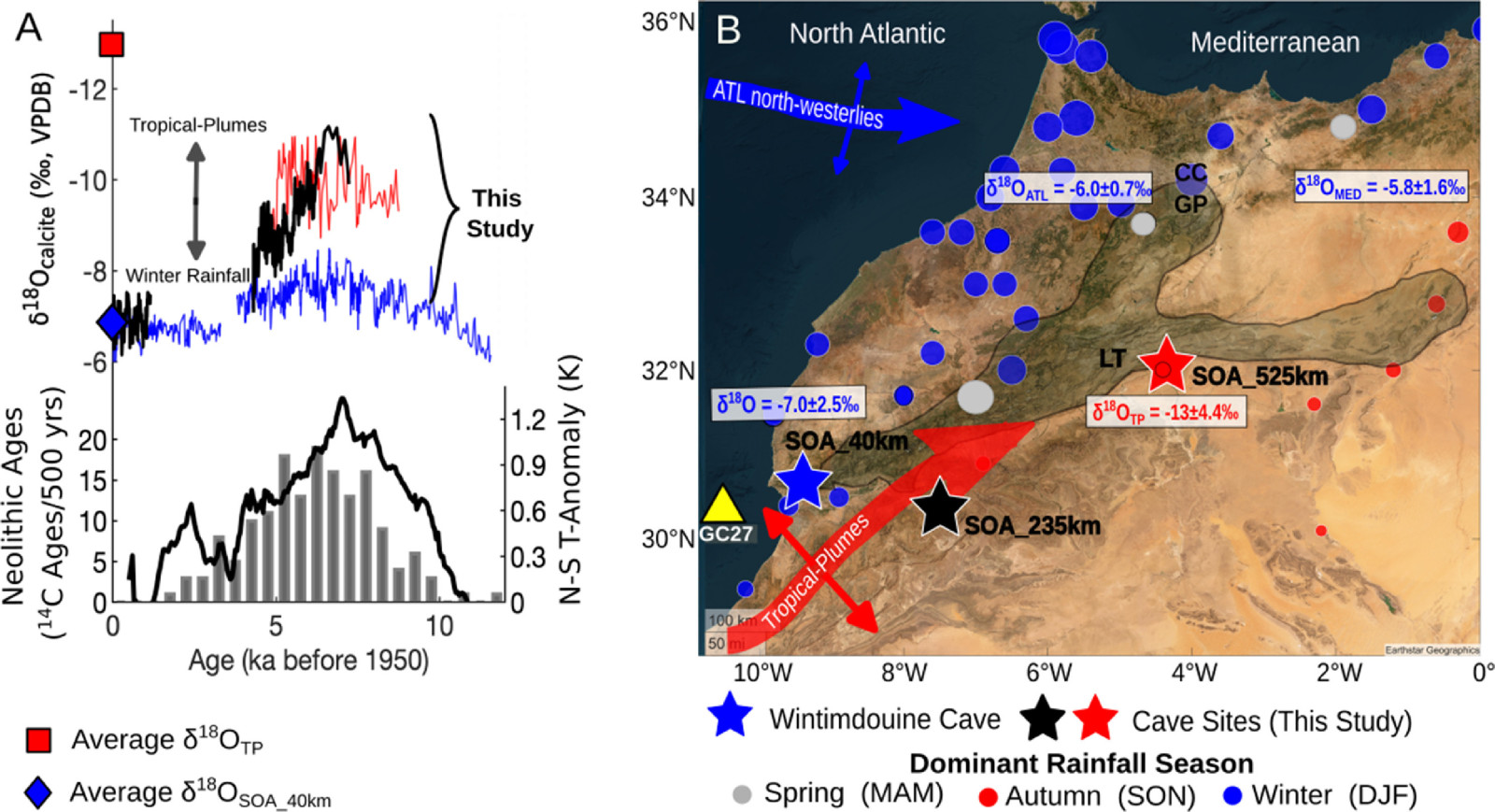
Findings indicate that stalagmites grew continuously between 8,700 and 4,300 years ago, demonstrating that the region experienced substantially wetter conditions during that interval.
The Impact of a Lush Sahara on Early Human Life
These wetter conditions profoundly affected human populations. Archaeological records reveal a significant increase in Neolithic settlements south of the Atlas Mountains, coinciding with the period marked by increased rainfall.
Pastoral communities depended on animal husbandry, which required reliable water sources and abundant vegetation. The surge in precipitation would have nourished grazing lands, enabling these early societies to thrive in regions now dominated by desert.
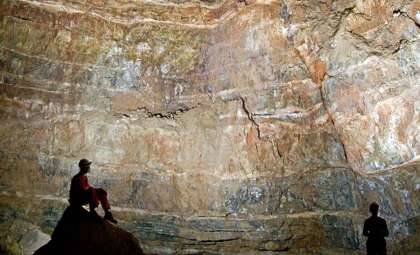
As highlighted by study co-author Dr. Julia Barrott, the relationship between ancient climate conditions and human activity grew clearer throughout their investigation.
“It was exciting to find and explore caves in southern Morocco during my fieldwork in 2010. And it is very rewarding that our measurements and interpretations fit so well with archaeological and environmental records from the wider region.” she explained.
Tracing Rainfall Origins to Tropical Moisture Carriers
To identify the origins of this historic precipitation, researchers examined layers of stalagmites fortheir oxygen isotope patterns. This analysis allowed them to trace the atmospheric mechanisms responsible for delivering moisture to the area.
The study suggests that tropical plumes—large bands of clouds that move moisture from tropical to subtropical zones—were key drivers of the rainfall. This represents the first documented evidence linking tropical plumes to northwestern Sahara precipitation.
Sam Hollowood, a contributor to the research, emphasized that even small stalagmite samples can unveil significant environmental shifts.
“It has been exciting experiencing how much we can learn from small pieces of limescale that form underground,” he said, noting that researchers continue working to better quantify how much rainfall increased during this ancient humid period.
- Categories:
- Science



0 comments
Sign in to Comment