
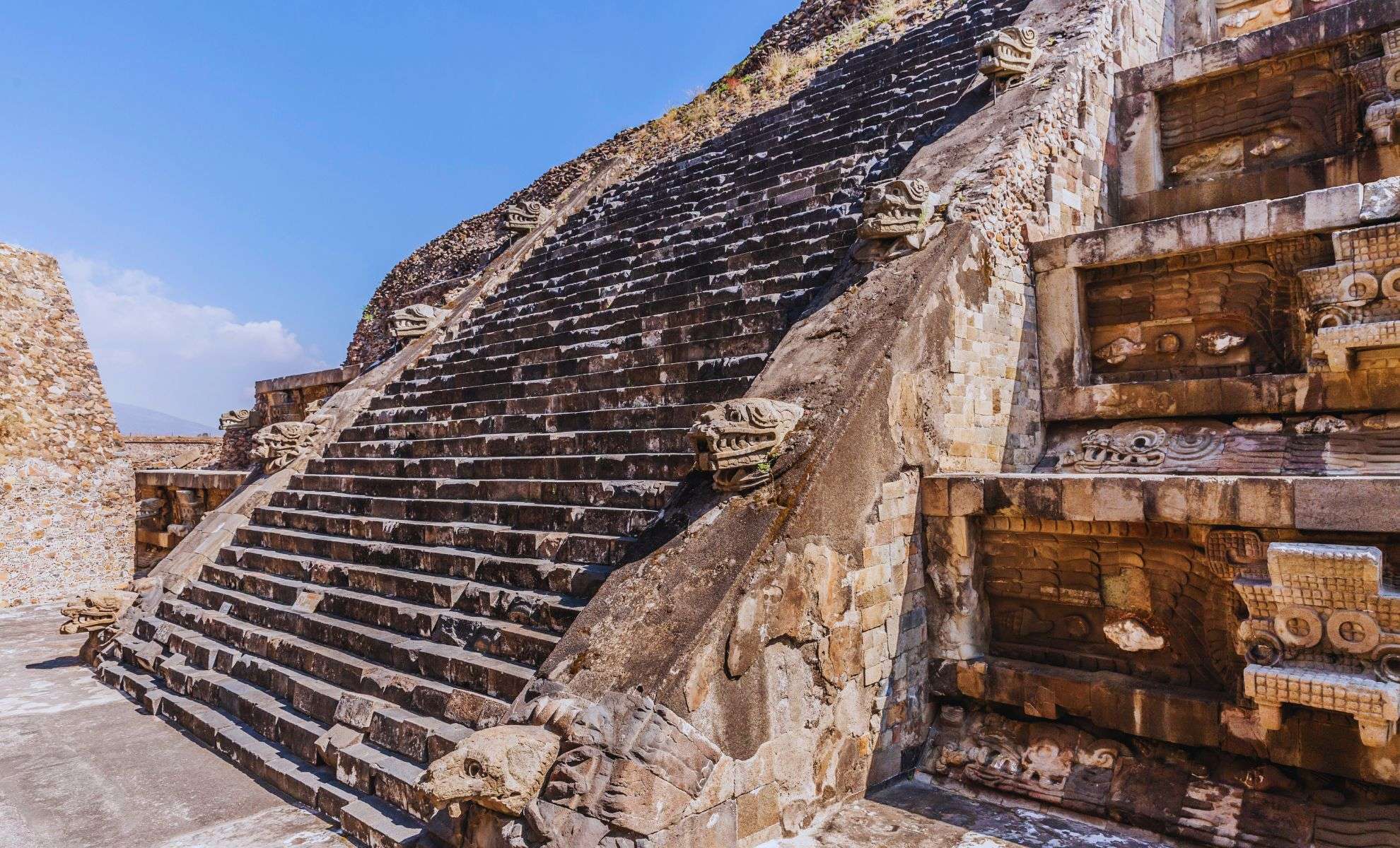
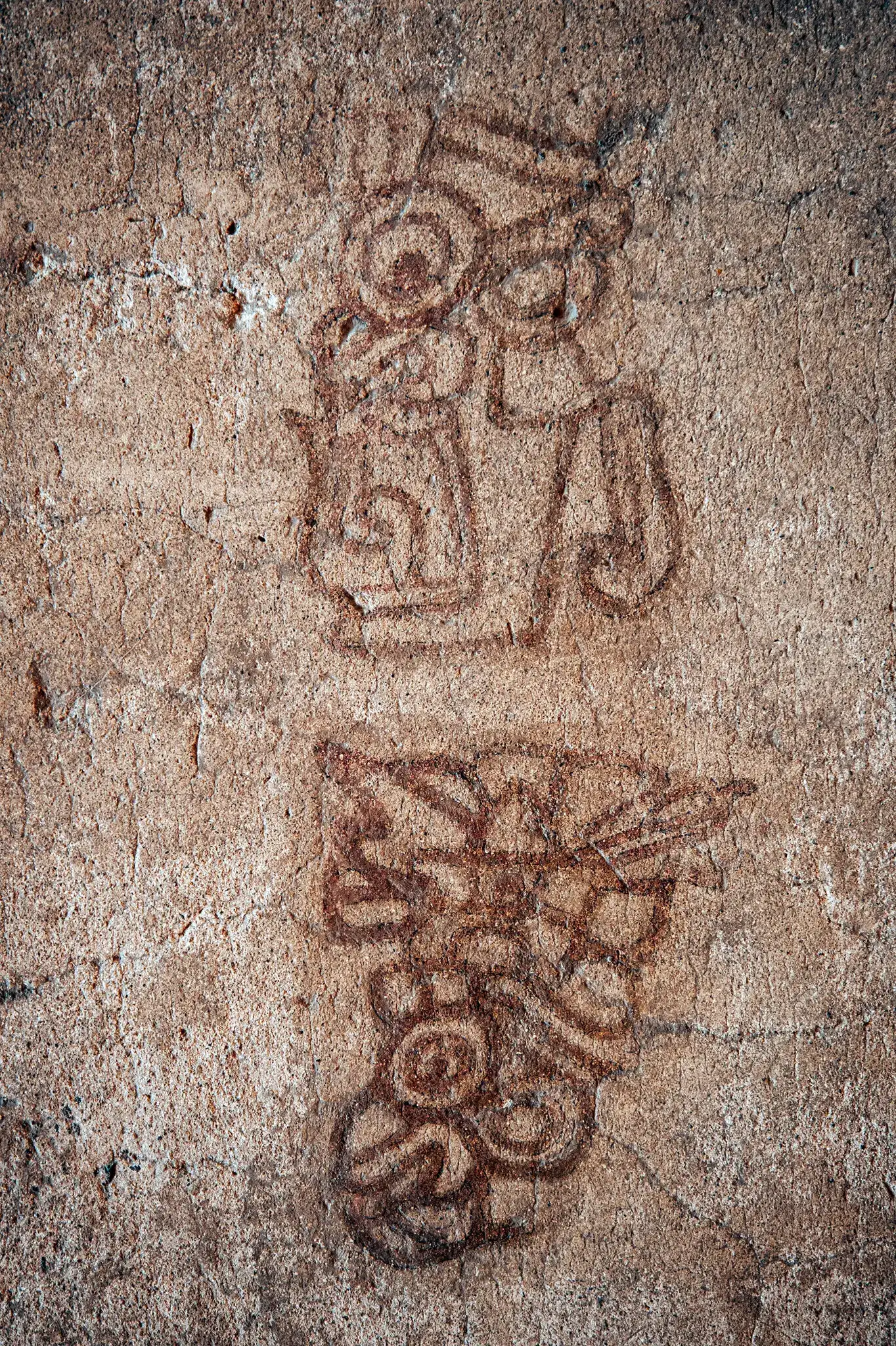
For a long time, the strange markings decorating Teotihuacan’s murals were dismissed as mere artistic embellishments. However, a recent scientific investigation proposes that these symbols represent one of the earliest known writing systems.
Teotihuacan, once among the most populous cities in pre-Columbian America, has remained a captivating mystery for archaeologists. Famous for its grand pyramids and intricate city design, the civilization’s abrupt disappearance around 550 A.D. left few clues, especially in terms of written documentation, until now.
Unlocking the Script of an Ancient Civilization
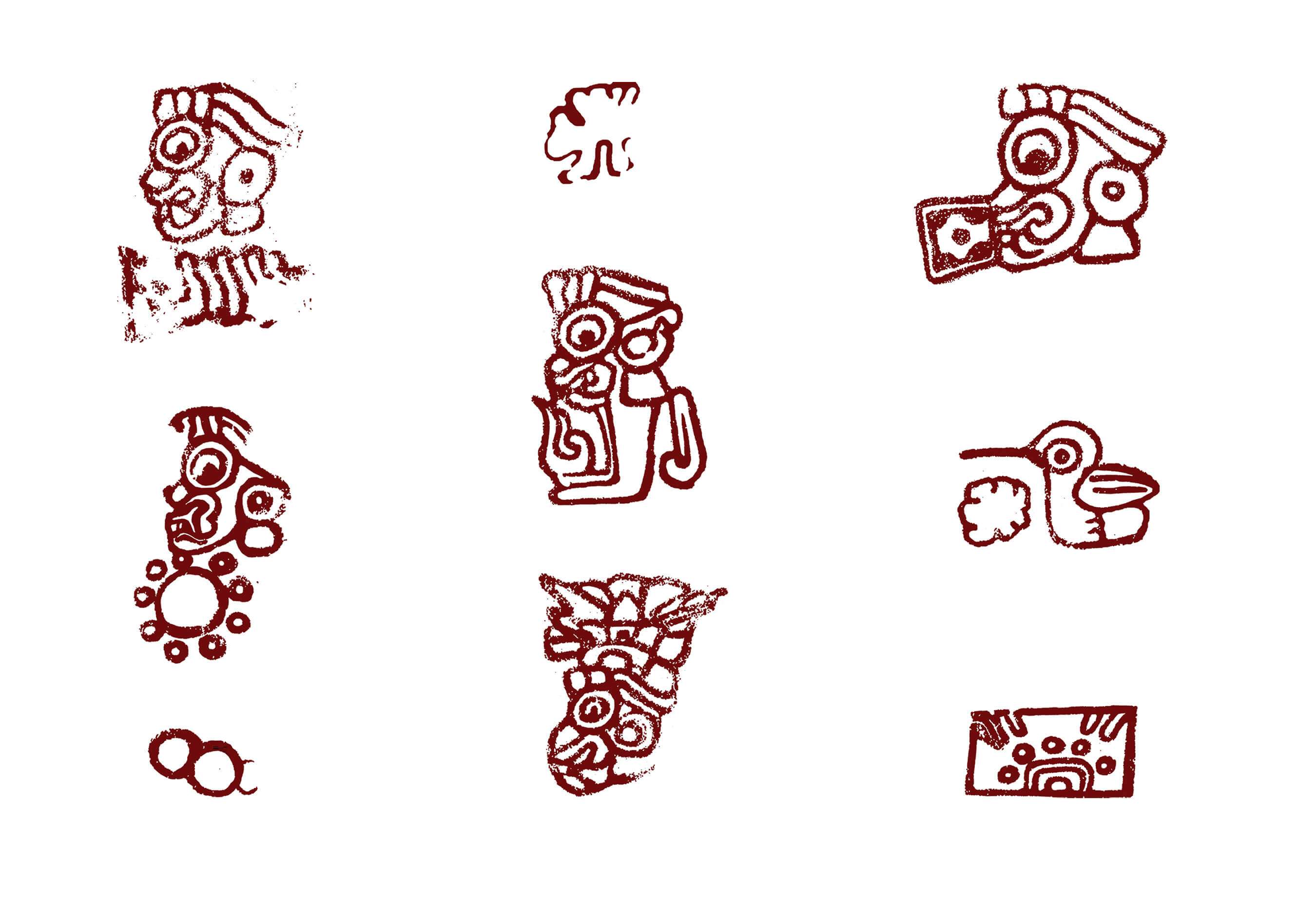
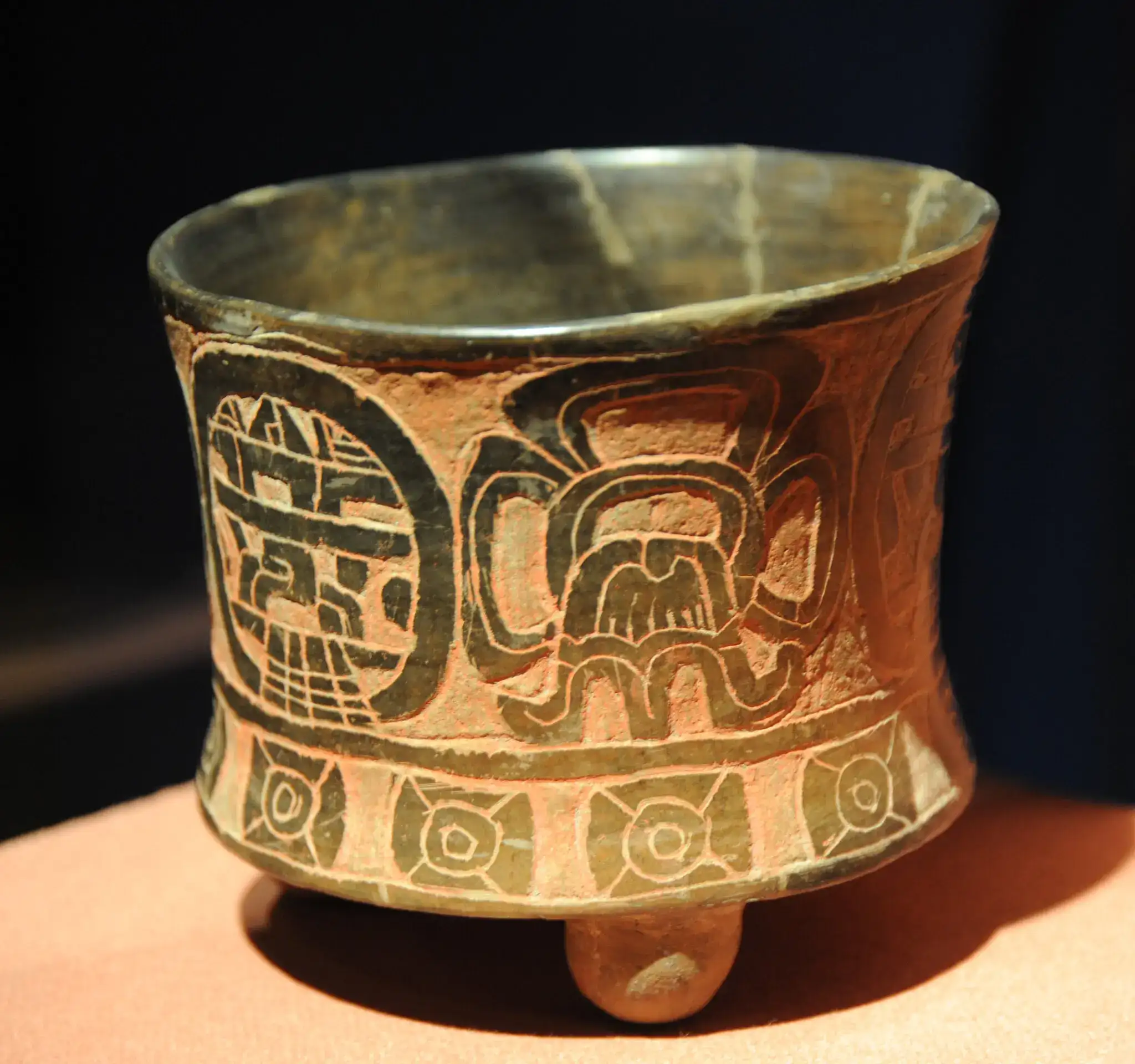
For decades, the peculiar designs on Teotihuacan’s murals and architecture have baffled both archaeologists and linguists. Previously assumed to serve decorative or ceremonial functions, these markings have recently been revealed by a new research to represent a primitive writing system that predates Aztec scripts.

A dedicated team of scholars uncovered evidence that these symbols function as logograms — signs symbolizing words or concepts. Dr. Helmke, a leading figure in this study, explained:
“These aren’t just decorative elements; they are part of a larger system of communication, and that’s huge for understanding Teotihuacan’s society.”
Instead of simply portraying images, these markings convey meaningful information through complex symbols.
Tracing Links Between Teotihuacan and Aztec Cultures
Though Teotihuacan had vanished centuries before the Aztec Empire emerged, researchers now suggest its language influenced later Mesoamerican civilizations. As covered by Phys.org, the deciphered connection to Uto-Aztecan languages implies the "City of the Gods" shaped regional culture and communication more than previously understood.
If the people of Teotihuacan spoke an ancestral form of Nahuatl—the Aztecs’ language—that could explain shared traditions, mythology, and architectural elements between the two societies. Dr. Helmke remarked:
“Teotihuacan’s influence was felt for centuries. By understanding their language, we get a clearer picture of the cultural and linguistic threads that connected these ancient societies.”
Insights into the Mysterious Demise of Teotihuacan
Despite Teotihuacan’s power and advanced urbanism, its population suddenly vanished in the mid-6th century, leaving ruins that continue to puzzle researchers. Dr. Magnus Pharao Hansen, part of the investigative team, highlighted:
“Written language isn’t just about recording stories or history; it’s a tool of power. If we can understand the written records of Teotihuacan, we might uncover why the city fell apart so quickly.”
The discovery of a writing system reveals that Teotihuacan’s rulers employed sophisticated governance and complex communication networks. The city’s rapid collapse could signify the disintegration of this system, which may have paved the way for successor cultures to take hold in the region.
The Enduring Impact of Teotihuacan
As exploration and analysis progress, these revelations promise to reshape our understanding of both linguistic history and archaeological knowledge. Dr. Helmke and colleagues suggest that:
“We’ve only scratched the surface,” he said. “There are more symbols waiting to be understood, and with each breakthrough, we get a clearer picture of who the Teotihuacans really were.”
- Categories:
- Science






0 comments
Sign in to Comment