
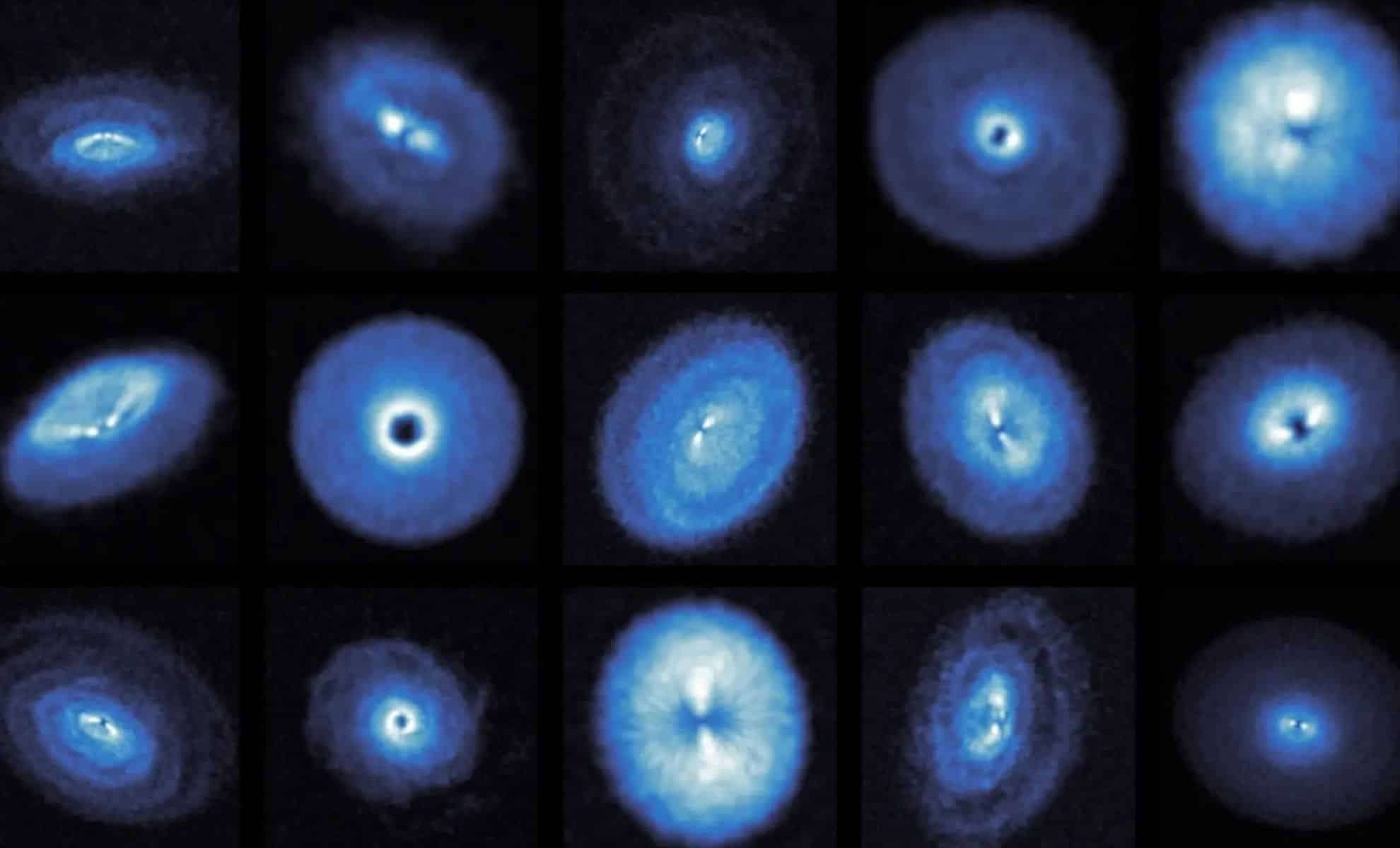
A recent breakthrough study, released on April 30, 2025, and featured in Popular Science, introduces some of the clearest images to date of protoplanetary disks surrounding infant stars. This work was led by astronomers involved in the exoALMA collaboration.
Utilizing the capabilities of the Atacama Large Millimeter/submillimeter Array (ALMA) in Chile, researchers have made remarkable progress in capturing the earliest stages of planet formation.
Innovative Methods Driving New Discoveries
The exoALMA initiative represents a bold advancement in astrophysical exploration by applying cutting-edge strategies to investigate protoplanetary disks. Rather than focusing on direct planetary emissions, the team harnessed ALMA’s sensitivity to detect how nascent planets affect surrounding dust and gas.

As Richard Teague, the project’s lead scientist, analogizes, this approach is like "upgrading from reading glasses to high-powered binoculars."
Thanks to enhanced data analysis techniques, the researchers unveiled unprecedented details of the matter orbiting young stars. Their study focused on star systems situated between a few hundred and 1,000 light-years away, granting an intimate perspective on planet formation across diverse cosmic neighborhoods.
The Complex Features of Protoplanetary Disks
Protoplanetary disks, the dense clouds of gas and dust encircling newly formed stars, act as the cradles from which planets emerge.
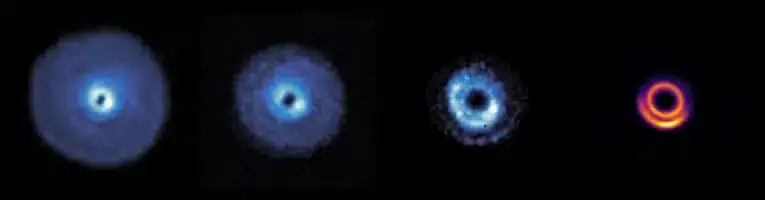
However, obtaining intricate images of these formations has historically posed significant challenges to astronomers. The ALMA study of 15 stellar systems uncovered a wealth of dynamic structures—including gaps, rings, and spirals—in the dust, all signs of active evolution.
These patterns suggest the gravitational pull of fledgling planets is actively shaping the motion of surrounding matter. A particularly intriguing discovery was the detection of vortex-like features within the protoplanetary disks.
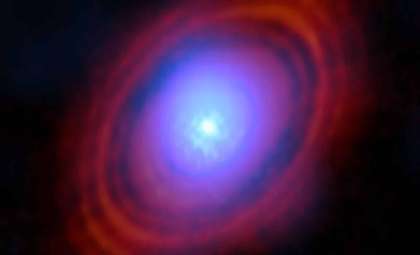
Detailed observations of the system HD 135344B highlight how forming planets influence gas and dust, generating these swirling vortices.
Observing Planetary Genesis in Action
These findings unlock a rare glimpse into the real-time birth of new worlds. By concentrating on young stars, scientists are effectively documenting the initial phases of planet creation.
These fresh data illustrate how planets interact with their environments and, in turn, reshape them. This challenges established theories and paves the way for deeper exploration of the conditions that enable planets to form.
The study offers a dynamic perspective on cosmic evolution, depicting young star systems as vibrant, ever-changing environments teeming with activity.
Advancing the Future of Planetary Observation
Looking forward, the breakthroughs achieved by the exoALMA team promise to enhance our comprehension of how planets come to be. With continuous refinement of observational techniques and ALMA’s exceptional instrumentation, astronomers anticipate even more precise insights into the behavior of gas and dust in these disks.
The impact of this research reaches beyond our solar neighborhood, aiding efforts to find and analyze other potentially habitable exoplanets in distant star systems.
This work highlights the critical role of technological progress in astronomy. As ALMA's capabilities expand, so too will our capacity to scrutinize the earliest moments of planetary formation.
- Categories:
- Space






0 comments
Sign in to Comment