
About twelve million years ago, tectonic activity in Central Europe did more than shape mountains—it also gave birth to Paratethys, an enormous lake that surpassed all others in history. Covering millions of square kilometers and holding more water than every modern lake combined, this vast prehistoric body of water played a crucial role in shaping biodiversity before it disappeared.
Two recent investigations highlighted in Science have uncovered the dynamic history of this colossal lake, showing how geological shifts caused repeated cycles of draining and refilling that influenced climate patterns, ecosystems, and landscapes throughout Europe and Western Asia.
Formation of a Gigantic Inland Lake
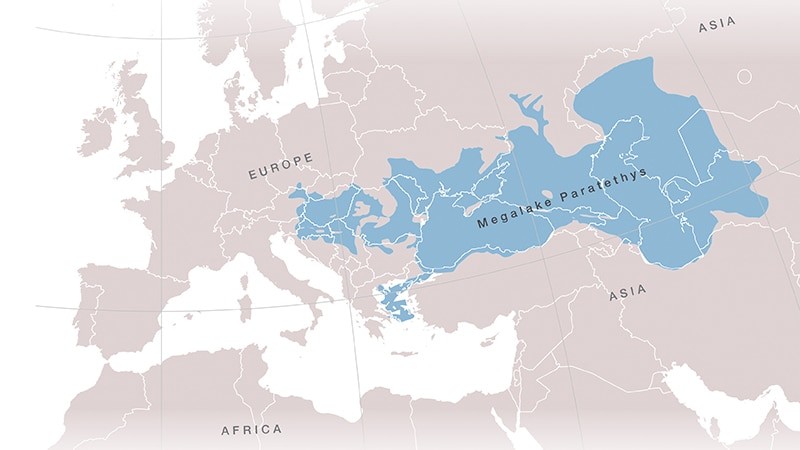
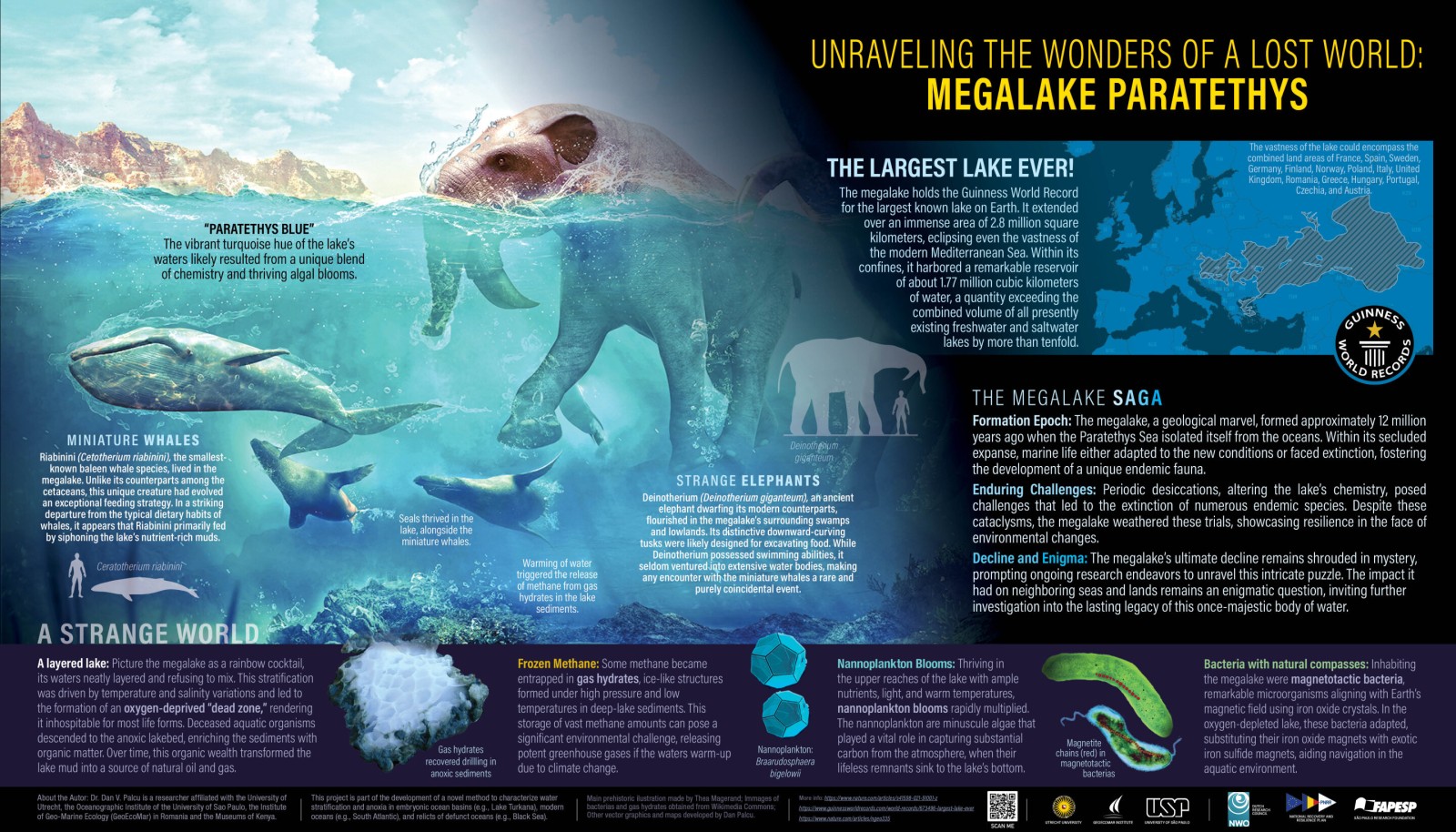
Paratethys emerged due to tectonic collisions roughly 12 million years ago that reconfigured Central Europe's terrain. The pressure didn’t just elevate mountain ranges; it created a vast basin that filled with water, forming a lake stretching over 2.8 million square kilometers. To put this in perspective, this is larger than the present-day Mediterranean Sea, as detailed in a study published in Scientific Reports.

At its fullest, Paratethys contained upwards of 1.77 million cubic kilometers of water, marking it as the most voluminous freshwater lake known. Isolated from oceanic connections, it fostered the evolution of distinct aquatic species unique to this environment.
Fluctuations and Ecological Upheaval
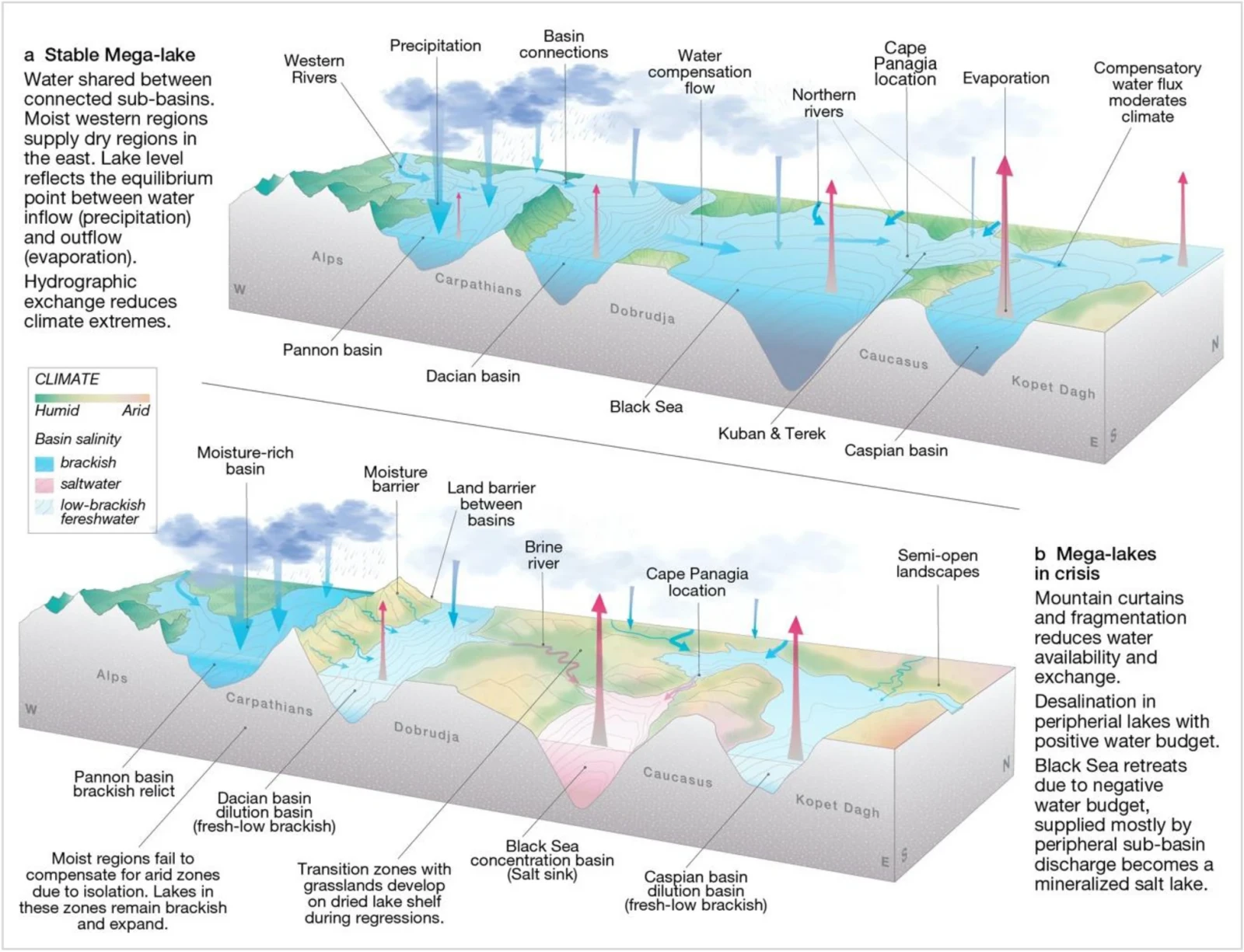
This massive lake underwent significant size changes throughout its 5-million-year existence. Climate disturbances led to at least four major episodes of drying where the lake dramatically shrank. The most extreme decline occurred between 7.9 and 7.65 million years ago, with water levels dropping as much as 250 meters, according to paleoclimate expert Dan Palcu and his team at the University of São Paulo.
“Our exploration of the Paratethys goes beyond mere curiosity. It unveils an ecosystem acutely responsive to climate fluctuations. By exploring the cataclysms that this ancient megalake endured as a result of climate shifts, we gain invaluable insights that can elucidate the path to addressing current and future crises in toxic seas, such as the Black Sea,” he said.
These environmental stresses decimated native plankton and algae communities. Species intolerant to rising salinity perished, while resilient mollusks managed to survive and recolonize when conditions stabilized, as outlined in the research reports.
Distinctive Wildlife and Evolutionary Hotspot
Paratethys was inhabited by a remarkable range of creatures, including some of the smallest ancient marine mammals ever discovered. Reported by Science, numerous whales, dolphins, and seals living in the lake were dwarfed versions of their ocean relatives. The tiniest fossil whale known, Cetotherium riabinini, only measured about 3 meters long—smaller than today's bottlenose dolphin.
As the lake receded, it exposed large expanses of grassland that became fertile grounds for evolution. Madelaine Böhme of the University of Tübingen noted these regions helped foster the emergence of early ancestors of livestock like sheep and goats in the north, and gave rise to precursors of modern giraffes and elephants in the south.
Final Drainage and Enduring Legacy
Ultimately, Paratethys did not simply evaporate—it emptied. Between 6.7 and 6.9 million years ago, an opening appeared near what is now the Aegean Sea, allowing the lake’s waters to surge into the Mediterranean. This likely caused an enormous waterfall during the lake’s final drainage phase.
This event marked the disappearance of the planet’s largest ancient lake. However, its unique fauna didn't vanish but dispersed, leaving descendants today across Eurasian and African landscapes.
- Categories:
- News





0 comments
Sign in to Comment