
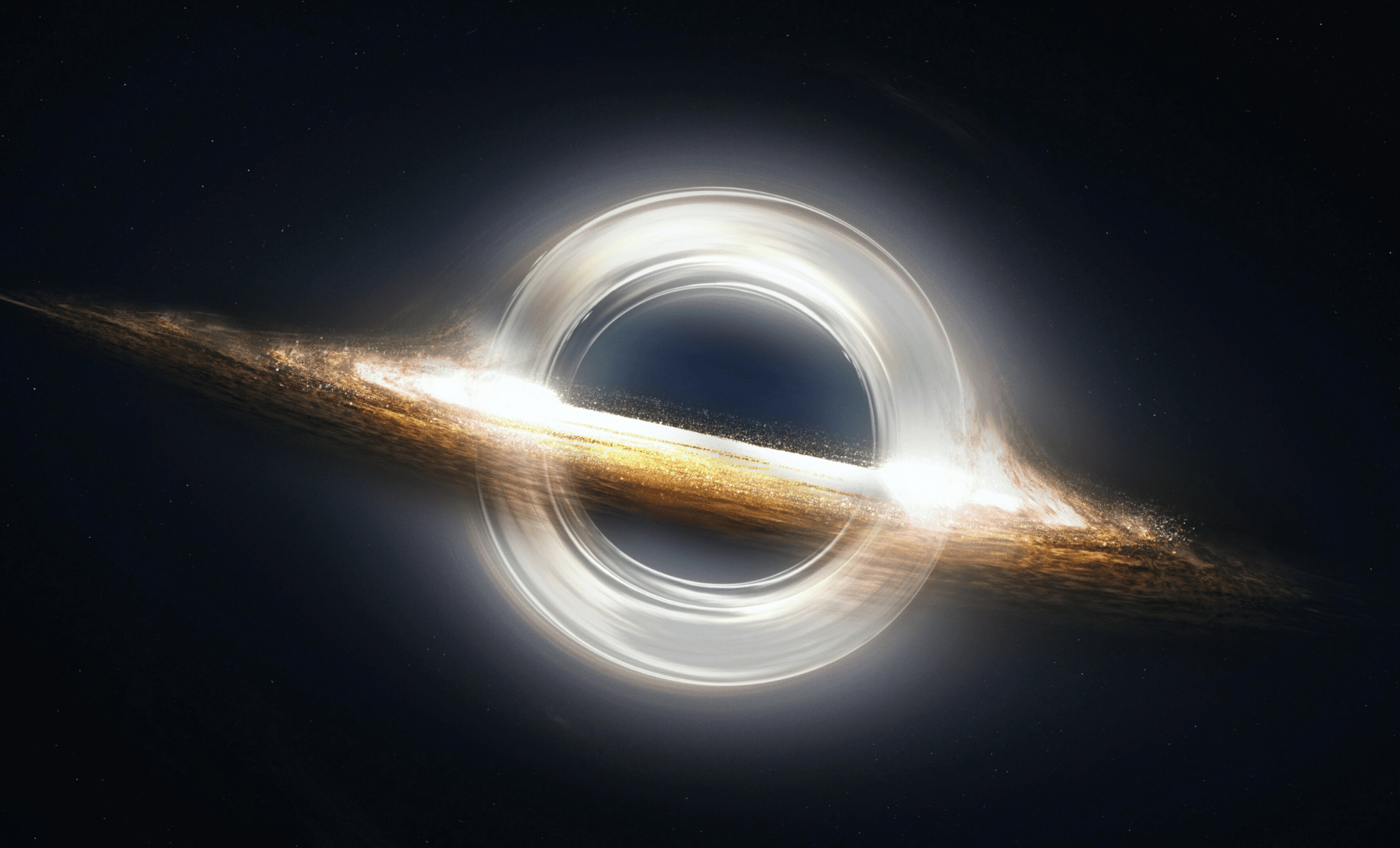
Researchers have made a pioneering detection of the "sound" produced by a black hole being propelled through space, analyzing gravitational wave data from the 2019 GW190412 event. This novel technique enables scientists to determine both the speed and trajectory of a black hole formed from a merger. This breakthrough aligns with the rapid progress in gravitational wave astronomy, highlighted by recent studies such as the one published in Nature Astronomy, which explore how these waves influence the cosmos. This discovery represents a major advancement in understanding black hole dynamics.
Decoding Gravitational Wave Patterns
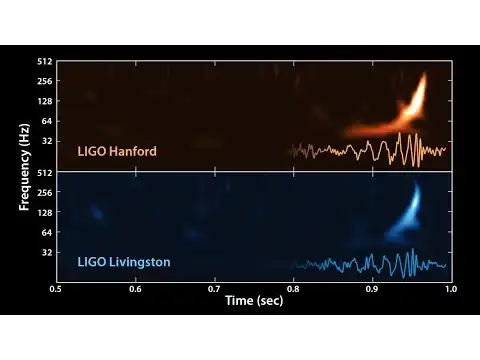
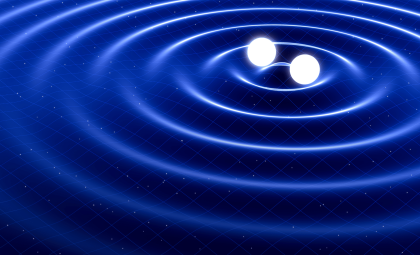
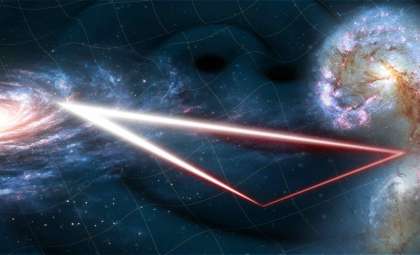
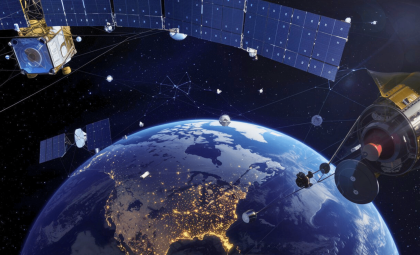
Gravitational waves are ripples in the fabric of spacetime caused by accelerating massive bodies like black holes. When two black holes spiral inward and merge, they generate some of the strongest gravitational waves detected. Facilities such as LIGO, Virgo, and KAGRA capture these signals, revealing detailed information about the merging black holes.
The event GW190412 stood out due to the uneven masses of the black holes involved—one roughly 30 times the Sun’s mass and the other about 8.4 times. This imbalance gave rise to a powerful recoil effect, propelling the resulting black hole at speeds surpassing 50 kilometers per second (31 miles per second). Such a force could eject the merged black hole from its host cluster if it resides in one.

Koustav Chandra, an astrophysicist at Pennsylvania State University, points out that this is one of the rare occasions in astrophysics where the full three-dimensional motion of an object billions of light-years away can be reconstructed purely from spacetime ripples. “This showcases the extraordinary capabilities of gravitational wave analysis,” Chandra remarks, underlining how these measurements provide a new window into black hole behavior.
Unlocking Insights into Black Hole Collisions
The newfound method of gauging the recoil velocity and direction of merged black holes opens fresh paths for studying their surroundings. Traditionally, black holes were observed through electromagnetic radiation such as visible light or X-rays. Gravitational wave detection, however, offers deeper access to intrinsic properties like spin and mass, while also shedding light on black holes' behavior in crowded cosmic environments.
Juan Calderon-Bustillo, an astrophysicist studying these phenomena, likens black hole mergers to an orchestra's harmonies. “The merger signals blend multiple waveforms, similar to how different orchestral instruments combine to create a unique sound,” he explains. By dissecting these composite waves, researchers gain a comprehensive picture of the merger event.
Each gravitational wave carries clues about the relative positions and movements of the merging black holes, much like listeners hearing distinct parts of an orchestra depending on their vantage point. This analogy illustrates how the angle of wave detection reveals critical data about the black hole’s recoil trajectory, advancing our grasp of their astrophysical motions.
Recoil Effects and Electromagnetic Counterparts
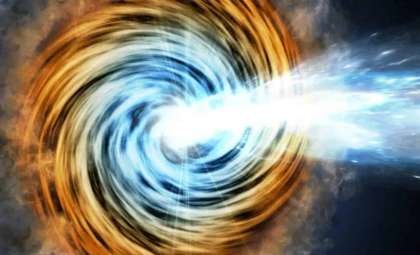
One exciting front in recoil research is the prospect of observing electromagnetic counterparts—such as luminous flares—that occur when a newly formed black hole moves through dense regions like galactic centers or active nuclei. The direction of the recoil relative to Earth influences the visibility of these emissions, providing astronomers with vital clues.
Astrophysicist Samson Leong from the Chinese University of Hong Kong highlights that pinpointing the recoil’s vector helps differentiate between gravitational wave events accompanied by electromagnetic signals, indicative of a genuine binary black hole merger, and coincidental alignments. This capability is critical for filtering authentic astrophysical phenomena from false detections, enriching our comprehension of black holes in the universe.
- Categories:
- News


0 comments
Sign in to Comment