
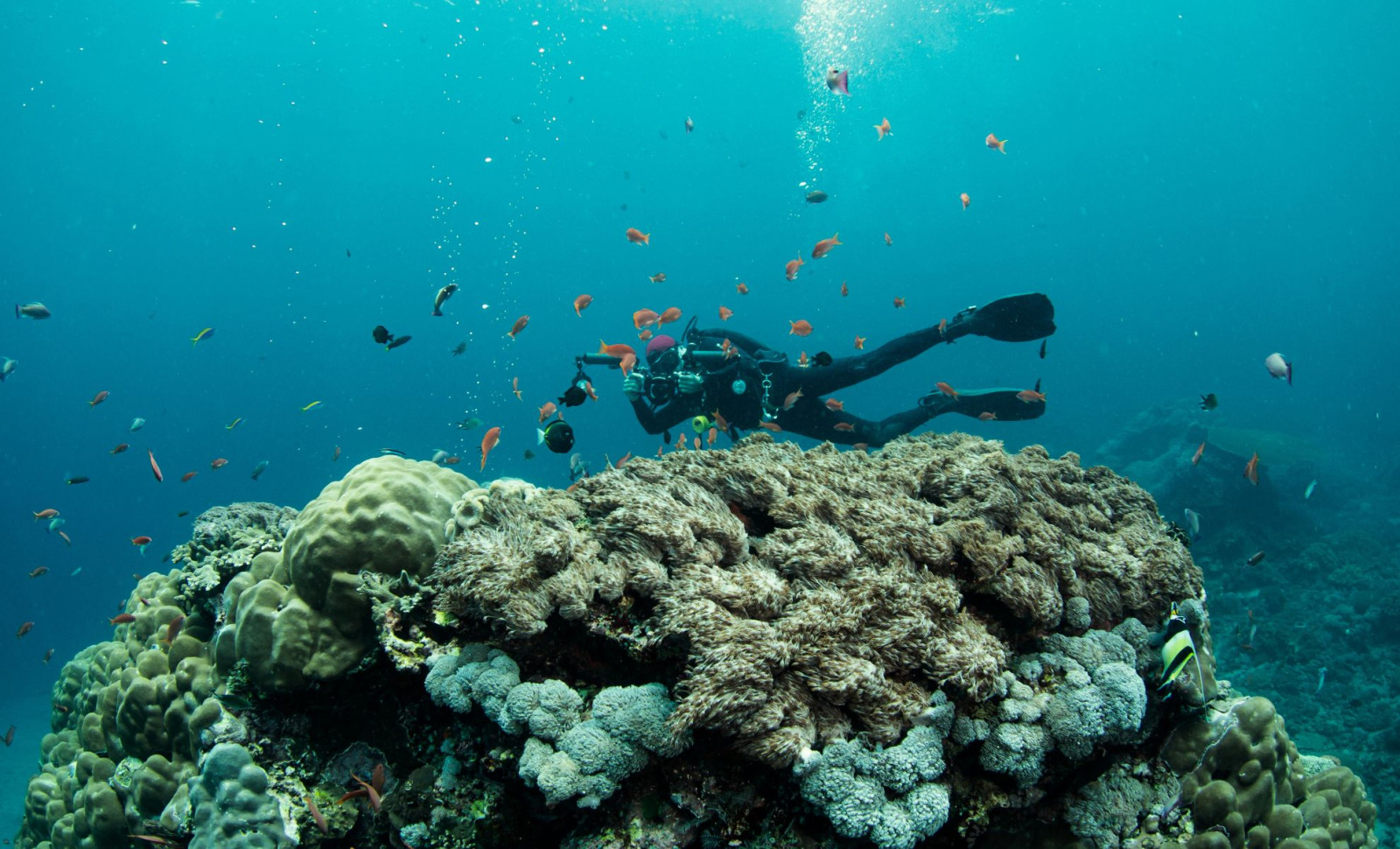
Researchers on an expedition in the South Atlantic Ocean identified 31 species previously unknown to science inhabiting the elusive midwater region near Brazil’s coastline. This journey also marked a milestone as the team captured 3D visualizations of the live cellular framework of a single-celled marine organism for the very first time.
The discoveries came aboard the Falkor (too), a research vessel operated by the Schmidt Ocean Institute. Leveraging cutting-edge imaging technologies alongside genome sequencing, the scientists cataloged a diverse array of rarely observed marine life.
Glowing Gelatinous Creatures and Enormous Single Cells
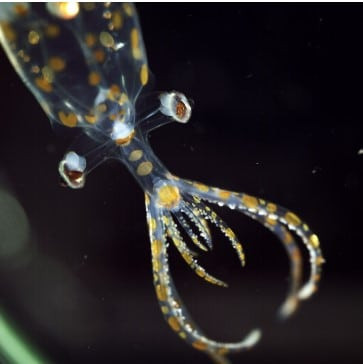
The exploration uncovered a dazzling assortment of new animals, many resembling creatures from science fiction rather than ocean inhabitants. Newly described species included fragile Tomopteris worms and transparent comb jellies, which propel themselves using lustrous, finger-like projections. Additionally, giant rhizarians—single-celled organisms large enough to be visible without magnification—were also documented.

According to a release by the Schmidt Ocean Institute, the midwater realm exhibits a surprising range of adaptations for survival. For instance, the larvacean, a tadpole-shaped creature, constructs a mucus “house” around itself that functions as a filter to capture tiny food particles from the water.
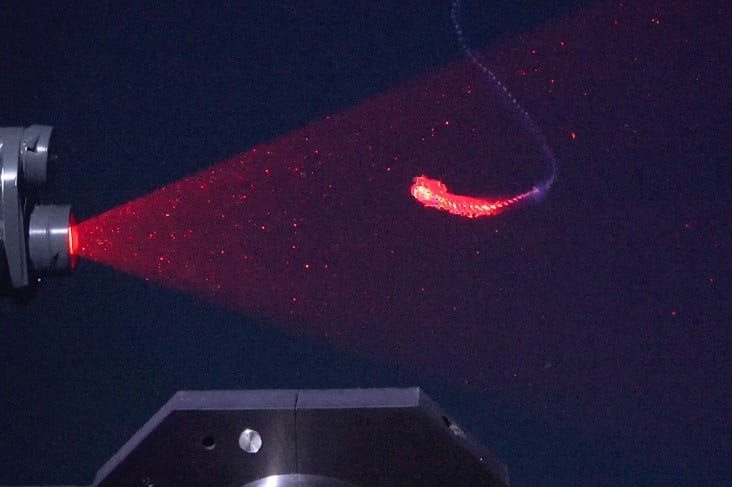
The team also observed siphonophores, among the ocean’s most peculiar residents. These organisms are actually colonies composed of genetically identical clones called zooids that operate collectively as a single life form.
“The largest habitat on Earth, the midwater, is filled with incredible animals we are only just starting to understand,” said Karen Osborn, chief scientist of the expedition and a research zoologist at the Smithsonian National Museum of Natural History.
Innovative Techniques for Studying Delicate Ocean Creatures
Studying midwater fauna is challenging because many have soft, fragile bodies that traditional capture methods often damage or deform.
To overcome this, the researchers used several imaging systems mounted on the remotely operated vehicle SuBastian. Two instruments designed by the Monterey Bay Aquarium Research Institute (MBARI) — DeepPIV and EyeRIS—employed laser scanning to generate intricate 3D representations of animals in their undisturbed habitats.
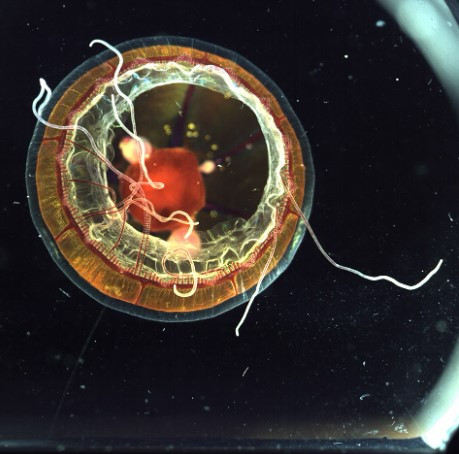
A third device, a shadowgraph camera from the Japan Agency for Marine-Earth Science and Technology, captured sharp silhouettes that exposed fine anatomical details often missed by laser imaging. This multi-tool approach enabled researchers to study numerous species without extracting them from the water, preserving both their natural form and behavior.
Peering Inside Living Microbes for the First Time
The expedition advanced marine science beyond species discovery. Utilizing the Squid microscope developed at Stanford University, researchers achieved a historic at-sea observation of the cellular structure and silica-based skeleton of a protist, a single-celled organism.
Additionally, scientists explored behavioral patterns through a virtual reality setup from the University of Western Australia. Another innovative apparatus, a hydrodynamic "treadmill," created an endless water flow inside a circular chamber, offering a disturbance-free environment to observe microbial activities.
“It’s an incredible honor to not only view and experience this rare and inspiring midwater life, but also to be able to work towards describing and sharing that life broadly through the use of novel, non-invasive technologies,” said Kakani Katija, a bioengineer at MBARI.
- Categories:
- Science






0 comments
Sign in to Comment