
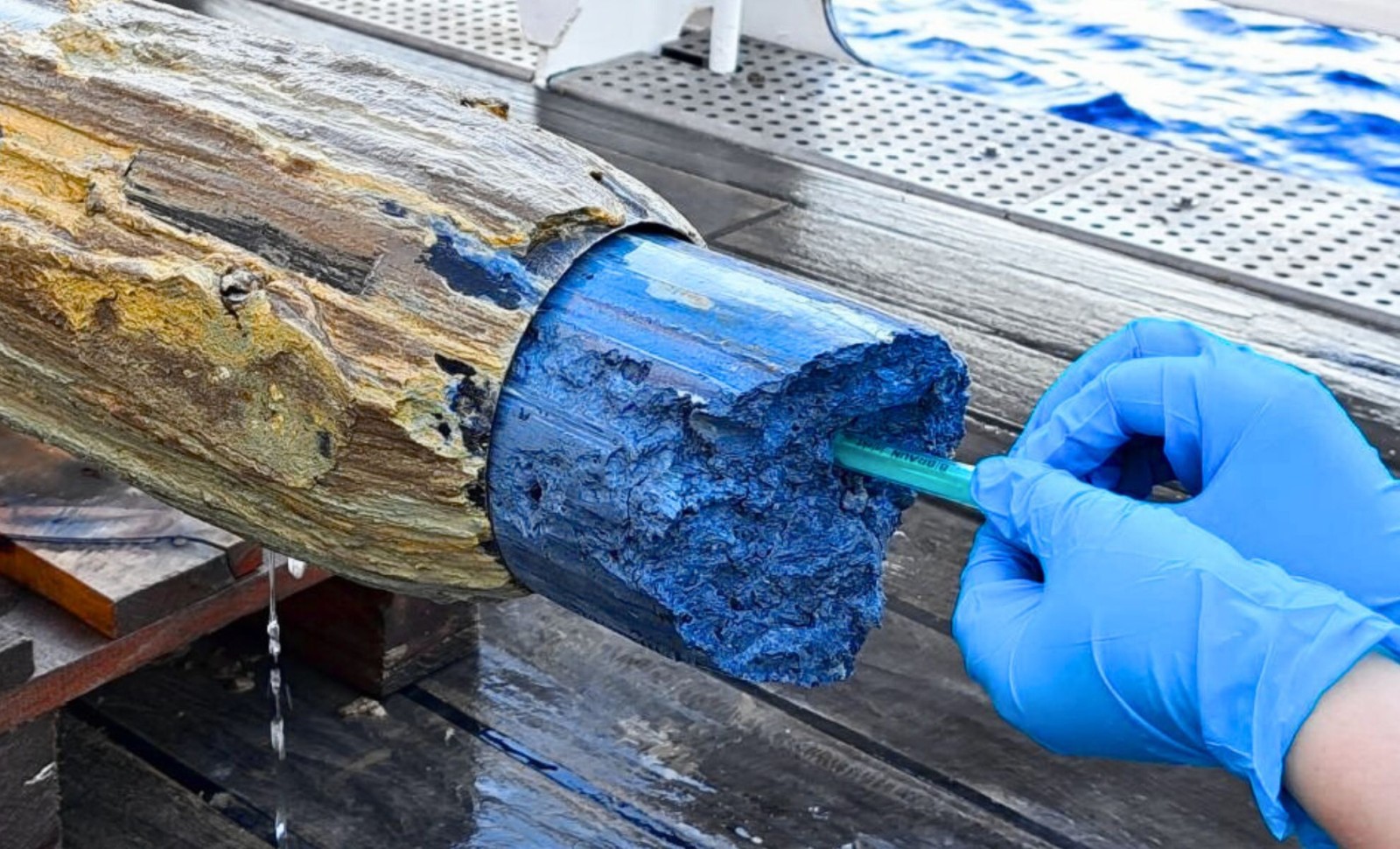
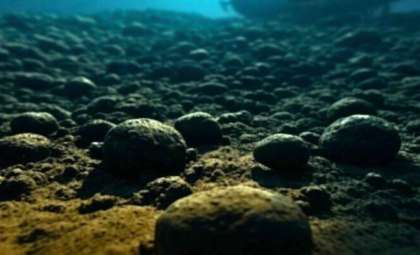
At nearly seven kilometers beneath the Pacific Ocean, beyond the reach of light and human sight, researchers have identified microbial life thriving in conditions once deemed inhospitable to biology. Encased in a vibrant blue volcanic mud emerging from deep-sea mud volcanoes near the Mariana Trench, these extremophilic organisms not only survive but actively metabolize and reproduce by harnessing chemical energy.
The environment defies typical life-supporting parameters. The mud exhibits a strong alkaline nature, with pH values soaring up to 12.6, and originates from a seismic fault where tectonic plates converge and interact with Earth’s mantle. Temperatures hover just above freezing, oxygen is limited, and organic carbon is nearly absent, creating a setting toxic to most life forms.
Despite these challenges, the team uncovered lipid biomarkers and isotopic evidence revealing microbial communities capable of altering their surroundings. These organisms derive energy from hydrogen and carbon dioxide, fix carbon chemically, and generate methane in a completely isolated ecosystem disconnected from surface waters.

The findings, detailed in Communications Earth & Environment by scientists from the University of Bremen, enhance our comprehension of how microbes adapt and persist under some of the planet’s most extreme chemical conditions.
A Life System Powered by Rock and Chemistry
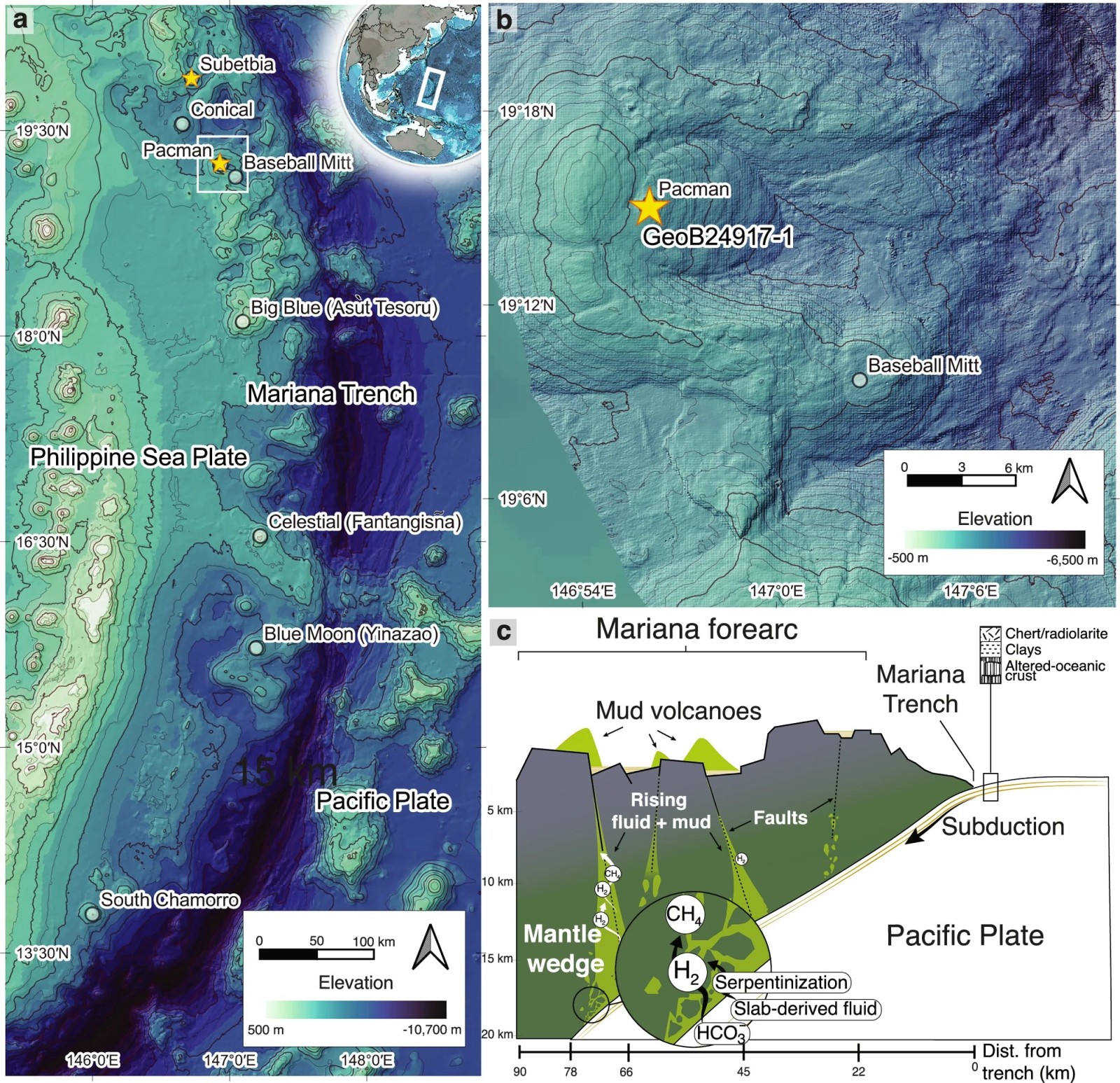
During the SO292/2 expedition on the German vessel Sonne, researchers sampled mud volcanoes along the Mariana forearc—a region where the Pacific Plate subducts beneath the Philippine Sea Plate. According to The Debrief, sediment cores were collected from the underwater sites named Pacman and Subetbia, areas channeling fluids and minerals upward from within Earth's crust.
These mud volcanoes bring surface exposures of serpentinized mantle rocks. Seawater interaction with these ultramafic materials deep underground generates substantial amounts of hydrogen gas, methane, and highly alkaline fluids, creating geochemical energy sources that fuel microbial life. The study reveals a chemosynthetic ecosystem that operates independently of sunlight-driven ocean layers.
“Until now, the presence of methane-producing microorganisms in this system has been presumed, but could not be directly confirmed,” said Dr. Florence Schubotz, a geochemist at MARUM and co-author of the study. “What is fascinating about these findings is that life under such extreme conditions, such as high pH and low organic carbon concentrations, is even possible.”
Using lipid biomarker and isotope analyses, the team identified both methanogenic archaea, which generate methane from inorganic materials, and anaerobic methanotrophs that consume methane in sulfate-reducing environments. These metabolic pathways contrast sharply with typical marine sediments, illustrating an autonomous ecosystem recycling carbon through chemical processes alone.
Insights from Molecular Fossils
The strongest proof emerged not from DNA, scarce in such low-biomass settings, but from the biochemical composition of cell membranes preserved within the mud. The researchers found distinctive intact polar lipids and core membrane lipids indicating both living microbial populations and fossil traces of former communities.
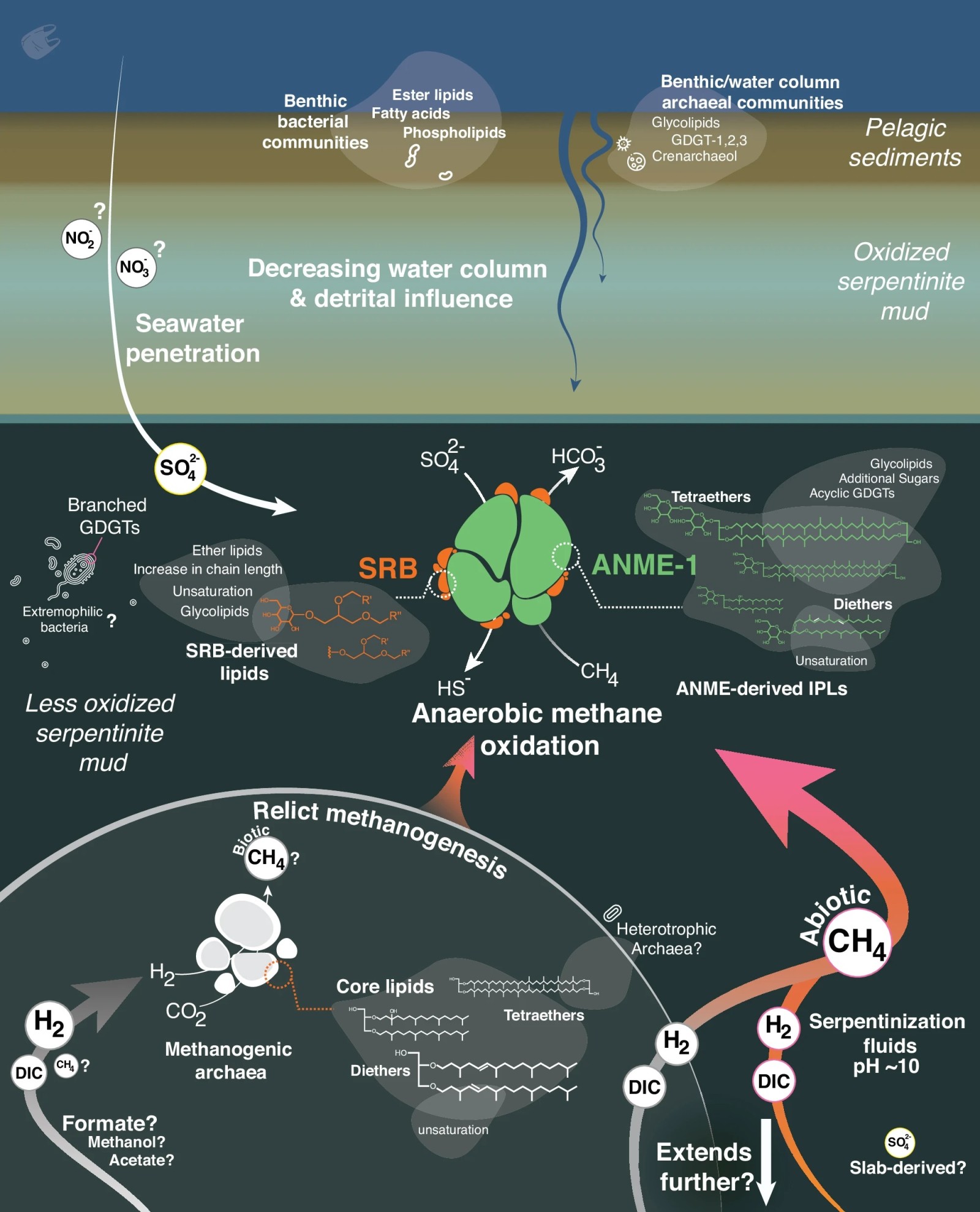
Isotopic measurements revealed carbon-13 enrichments as low as −106‰, affirming the biological nature of the methane cycle and providing chemical timestamps for microbial activity. These findings align with signatures from anaerobic methane-oxidizing archaea (ANME-1) that thrive in cold, nutrient-poor habitats.
Over geological periods, biomarker data highlighted a microbial succession: methanogens flourished under hydrogen-rich conditions initially, followed by methanotrophs dominating as sulfate intrusion altered environmental redox states. This transition illustrates how geochemical fluctuations, like variable fluid migration, can reshape subsurface biospheres.
A key revelation was the presence of abundant branched glycerol dialkyl glycerol tetraethers (GDGTs)—membrane lipids once thought exclusive to terrestrial bacteria—that are actively produced within the deep ocean mud. This overturns prior assumptions in environmental chemistry and suggests unknown bacterial species in these extreme habitats.
Molecular Adaptations Under Extreme Stress
Adaptations here are chemically concrete. Within the serpentinite-laden mud, microbes have tailored their membranes to endure harsh conditions. The team discovered elevated levels of ether-linked glycolipids featuring extended unsaturated carbon chains that provide membrane stability in cold, highly alkaline, and nutrient-deficient surroundings. Such lipid compositions are uncommon among typical marine organisms but seem crucial for survival in this unique niche.
Results also showed that microbial membrane composition varies with oxidation levels and available substrates. For instance, unsaturated 1G-diethers prevalent in the less oxygenated blue mud promote membrane fluidity at low temperatures, while the sediments closer to seawater exposure had more classic lipid structures common in marine photoautotrophic organisms.
“This transition in lipid profiles across just a few centimeters of sediment suggests real-time adaptation to vertical geochemical gradients,” noted Palash Kumawat, the paper’s lead author and PhD candidate at the University of Bremen. “It’s like reading the metabolic evolution of a biosphere in molecular script.”
Moreover, the discovery that branched GDGTs—previously attributed solely to soil bacteria—are synthesized locally indicates novel microbial membrane adaptation strategies. Altogether, these results point to a highly specialized microbial ecosystem fine-tuned for life at the extreme edges of chemical viability.
- Categories:
- Science






0 comments
Sign in to Comment