
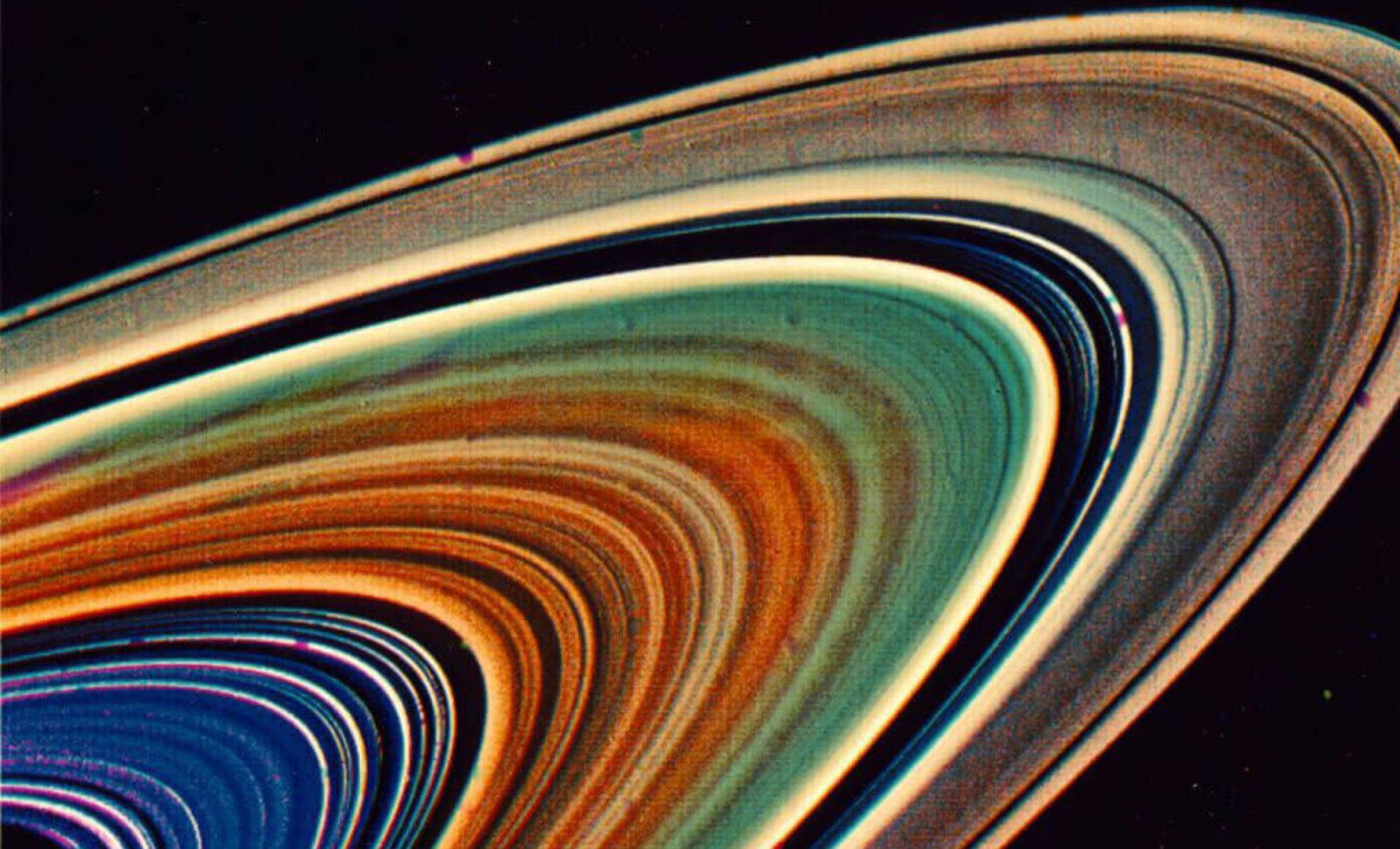
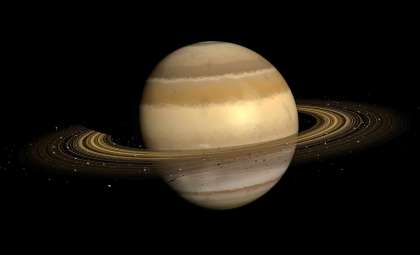
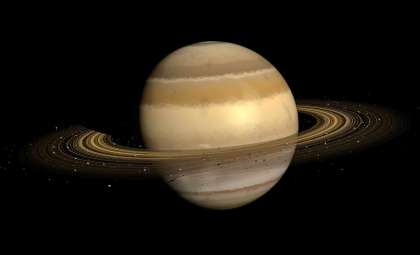
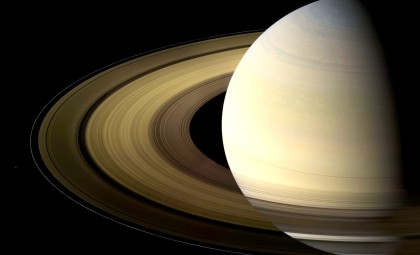
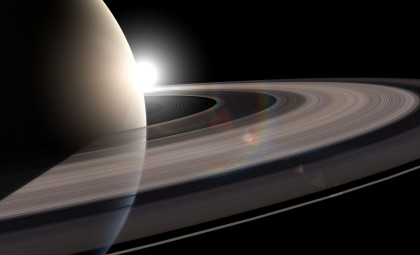
Saturn’s iconic radiant rings captivate observers throughout the Solar System. Recent insights from NASA’s Cassini spacecraft indicate these dazzling rings might be much younger than previously believed. Headlines have spotlighted a 2023 research linking their pristine condition to a relatively brief exposure to cosmic dust.
This revelation is intriguing because Saturn itself formed approximately 4.5 billion years ago, nearly as old as the Solar System. If the rings are indeed youthful, Saturn has likely looked very different for most of its existence.
Cassini’s Role in Decoding Saturn’s Rings
One key reason to suspect the rings’ youth is their remarkable brightness and clarity. The most recent age assessment, published in Science Advances in 2023 by Sascha Kempf and collaborators, leveraged data from Cassini’s Cosmic Dust Analyzer to estimate the influx of interplanetary dust into Saturn’s ring system.

The planet’s main rings primarily consist of 95 to 98 percent water ice, accounting for their luminous appearance. However, a fraction of darker impurities, making up roughly 0.1 to 2 percent of the rings’ volume, is also present.
Kempf’s group proposes that a significant portion of this contamination derives from cosmic dust arriving from elsewhere in the Solar System. By comparing current contamination levels with the rate of dust deposition, the team estimated the duration the rings have been exposed to this influx.
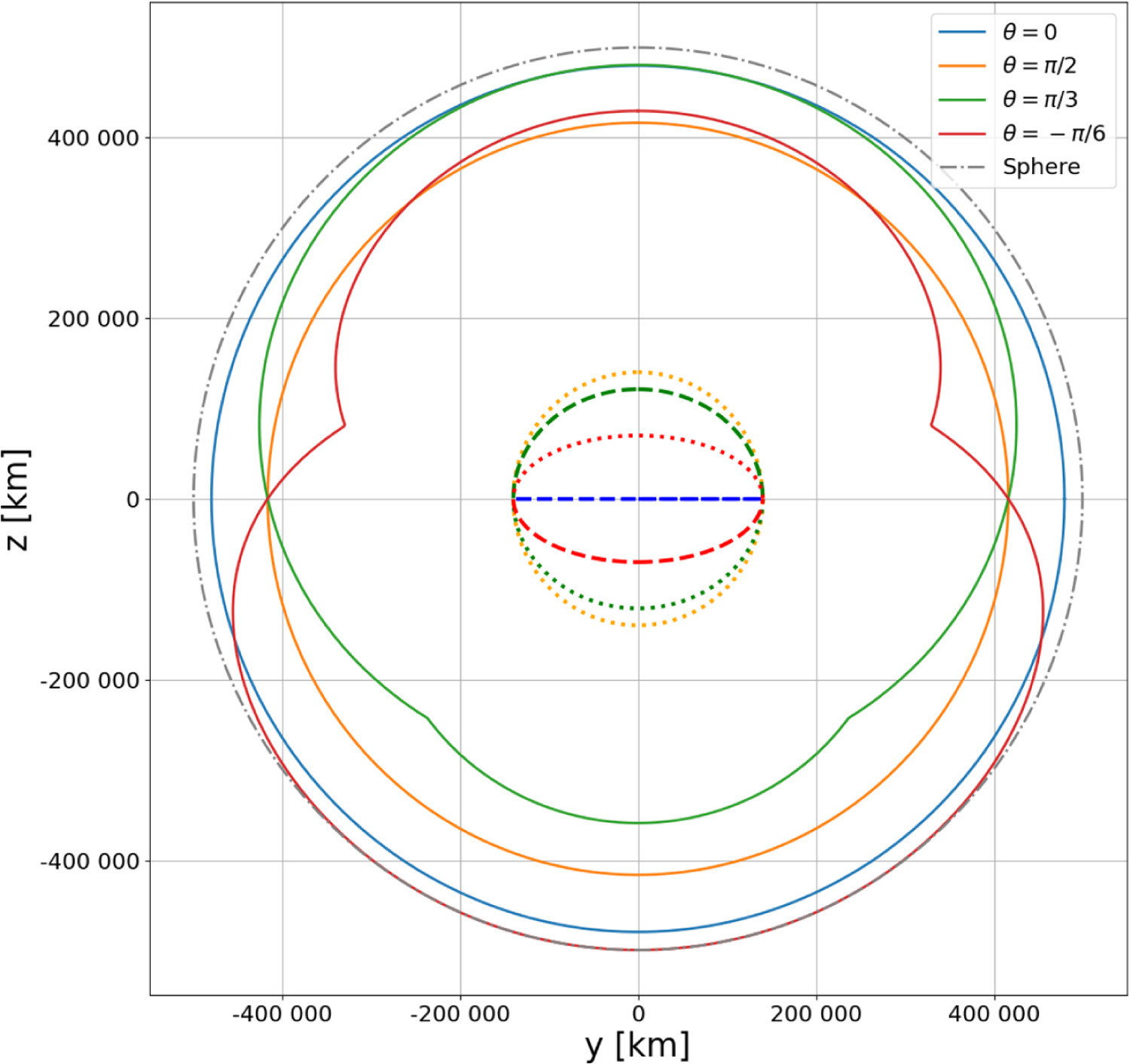
The study concluded that the rings have been exposed for a period between 100 and 400 million years. While this number reflects their exposure time rather than their formation age, it still suggests the rings are comparatively young relative to Saturn.
Could a Lost Moon Be the Origin of the Rings?
Cassini also helped shed light on another aspect of the mystery. In 2019, research led by Luciano Less analyzed the spacecraft’s final orbital data to determine the mass of Saturn’s rings.
The findings suggested the rings have about half the mass of Saturn’s moon Mimas. This relatively modest mass supports the notion that a younger ring system might exist, since less material would suffice to explain the current level of contamination.
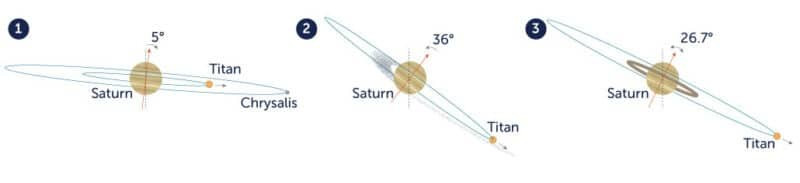
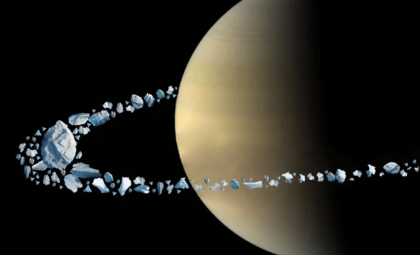
A compelling theory known as the Chrysalis hypothesis, introduced in Science in 2022, suggests Saturn once hosted an extra icy moon named Chrysalis, about the size of Iapetus.
According to this idea, Chrysalis became gravitationally unstable roughly 100 to 200 million years ago, drifting too close to Saturn. The planet’s tidal forces tore it apart, with a majority of the debris falling into Saturn’s atmosphere and a smaller portion remaining in orbit to form the rings.
This hypothesis has gained traction because it also provides a possible explanation for Saturn’s 26.7-degree axial tilt, tackling two long-standing questions with one event.
Debate Continues Over the Rings’ True Age
However, not all researchers agree the rings are as young as suggested. The main contention lies in distinguishing an exposure age from the actual formation age. A 2026 paper by Gregorio Ricerchi and Aurélien Crida, published in Icarus, argues that estimating age depends heavily on assumptions about how dust and particles move within the rings.
Processes like collisions, spreading, and material falling into Saturn might constantly cleanse the rings of dust, meaning current contamination levels aren’t a straightforward timeline.
Ricerchi and Crida suggest the bright rings, appearing young by exposure calculations, could in fact be significantly older, possibly dating to the Solar System’s early days.
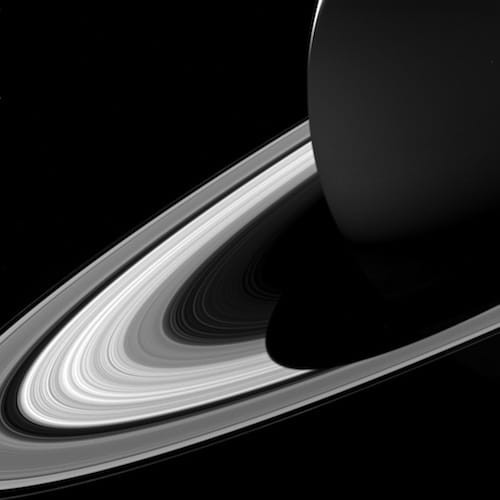
One area where consensus is stronger: Saturn’s rings are gradually losing mass. Observations from Cassini have shown ring material steadily drifts into Saturn’s atmosphere, slowly eroding the ring system. At current rates, the rings may persist for tens to a few hundred million years more.
- Categories:
- Astronomy





0 comments
Sign in to Comment