
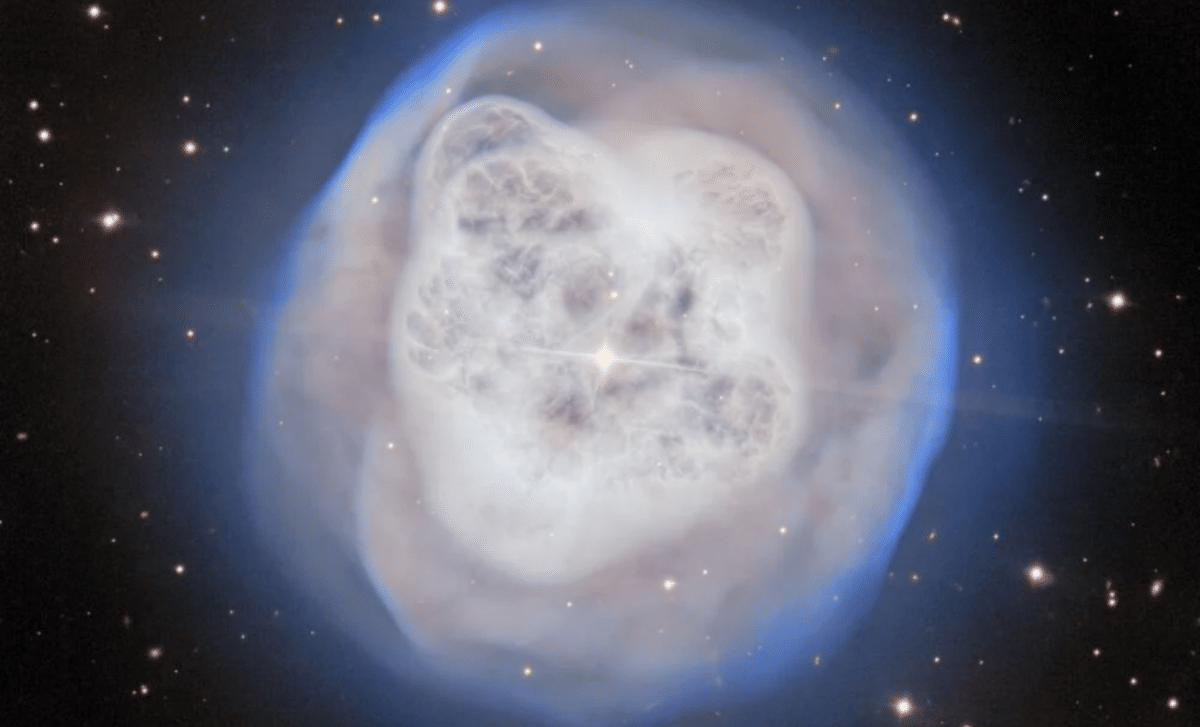
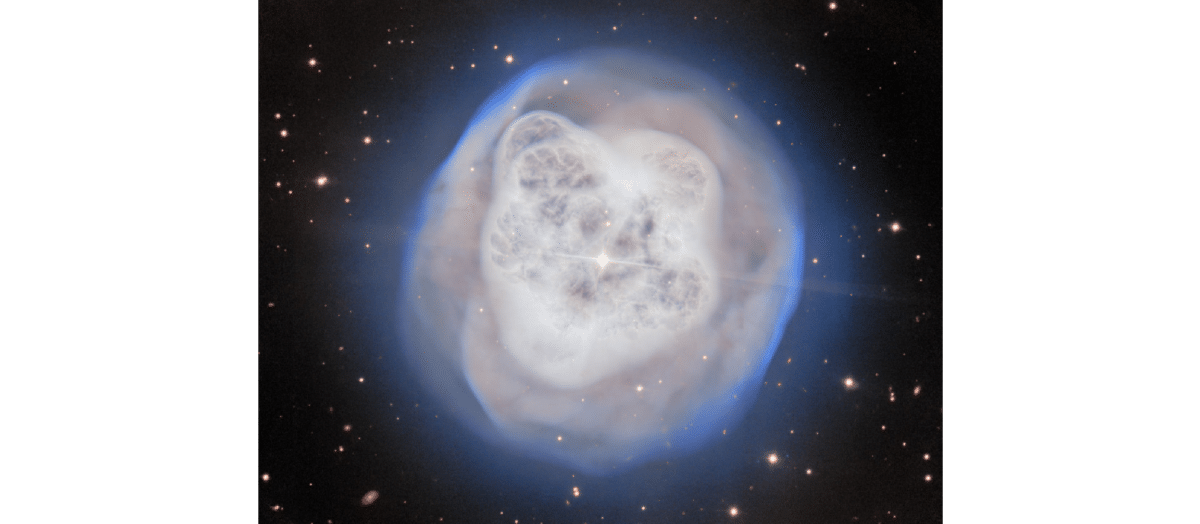
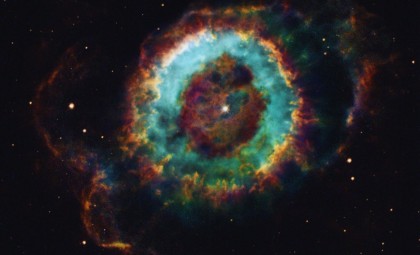
Astronomers have unveiled captivating new images of the Crystal Ball Nebula (NGC 1514), located approximately 1,500 light-years away, showcasing how two aging stars sculpted this remarkable cosmic display. Data from Gemini North and the James Webb Space Telescope (JWST) offer an exceptional window into the intricate dynamics of dying stars and the breathtaking formations they create.
The Stellar Narratives Behind Planetary Nebulae
Despite their misleading label, planetary nebulae are unrelated to planets. The term was coined by William Herschel, the nebula’s discoverer, who noted their planet-like roundness through early telescopes. Actually, these nebulae mark the final stages for stars with low to intermediate masses. When they exhaust their nuclear fuel, they shed their outer envelopes into space, forming expanding gas shells. Turbulence and uneven mass ejection soon mold these shells into complex, multi-layered shapes.
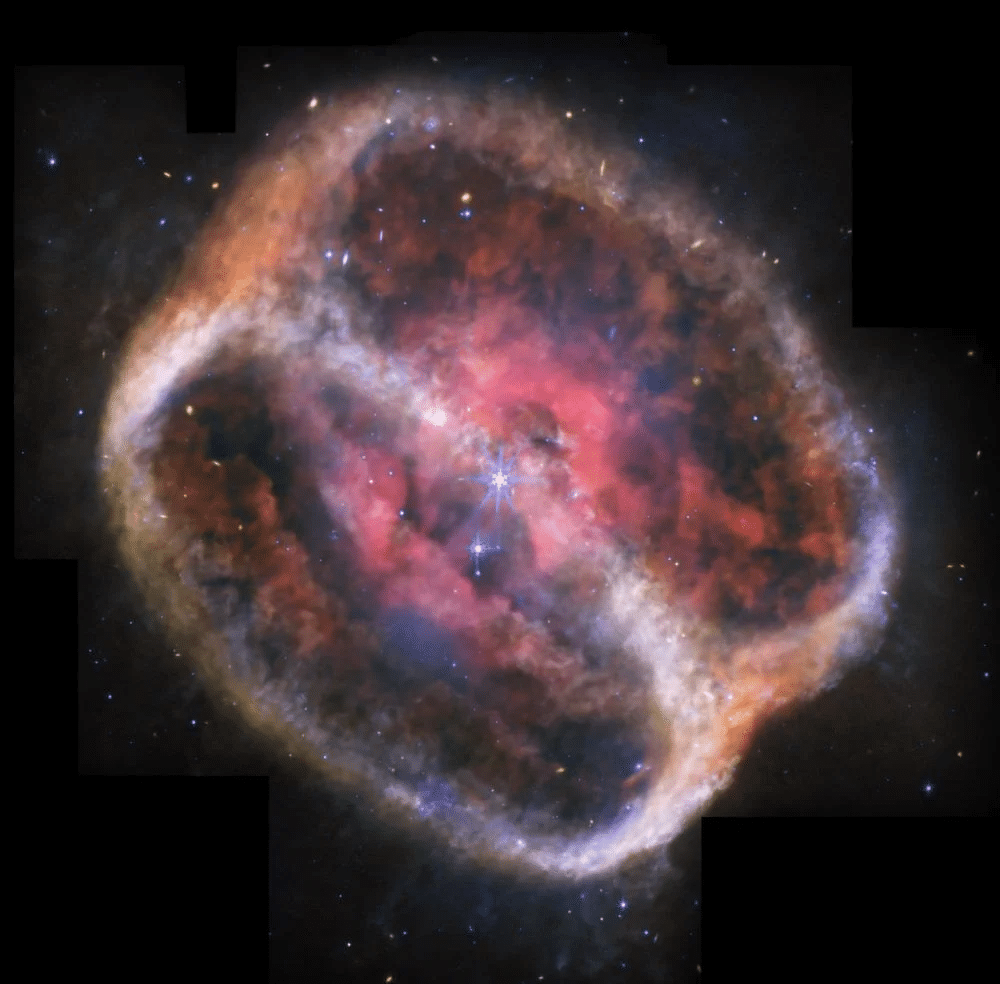
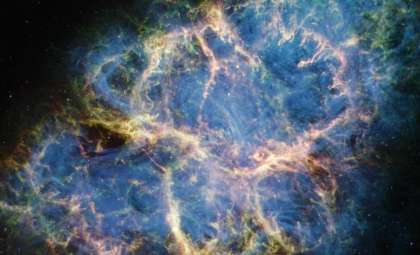
The Crystal Ball Nebula stands out due to its intricate filaments, clumps, and voids of gas and dust. JWST observations have uncovered details invisible to visible-light telescopes, such as two distinct concentric dust rings encircling the nebula.

“Scientists believe that one of these stars, which was once several times more massive than our sun, released its outer layers while in the throes of death,” NOIRLab wrote in a statement accompanying the image.
Binary Stars Craft the Nebula’s Unique Layers
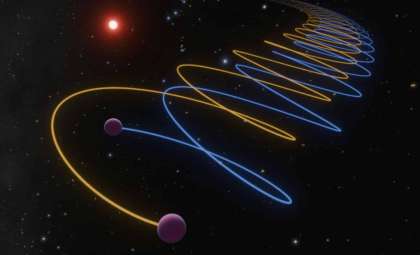
NGC 1514’s asymmetric form arises from its central binary stars, which orbit each other every nine years — the lengthiest known period among planetary nebulae. The gravitational forces and energetic outflows from these stars sculpt the nebula’s uneven and layered shells, producing its enthralling appearance.
“As the progenitor star and its binary companion orbit each other, they mold the expanding shell of gas with their strong, asymmetrical winds, forming the lumpy layers we see today,” NOIRLab noted.
Within the duo, one star is a hot and faint O-type remnant, its core exposed after transferring a majority of its mass to its companion. The other star, a luminous A0III giant, fuels the nebula’s glow and influences its continual reshaping. This binary system serves as a live example illustrating how stellar partnerships dictate the closing chapters of stellar evolution.
Infrared Insights Into Dust and Rings
JWST’s infrared sensitivity has revealed concealed dust rings around the nebula, likely formed during an early period of mass ejection. These rings are now shaped further by powerful winds originating from the binary stars, underscoring the complexity of how stars lose material at their end.
Examining these rings sheds light on the physical forces shaping planetary nebulae and enriches understanding of binary star development. Results published in 2025 suggest that dust predominates in these envelopes rather than gas, a vital clue for tracing the mass cycle during stellar death.
The Ephemeral Existence of Planetary Nebulae
Planetary nebulae such as NGC 1514 have brief lifespans on a cosmic scale, lasting between 10,000 and 25,000 years. Ultimately, their gases disperse into interstellar space, enriching the galaxy with elements synthesized during the star’s life. Studying these nebulae offers a unique snapshot of star evolution and the roles binary systems, stellar winds, and mass loss play in this process.
The Crystal Ball Nebula remains a striking tribute to the spectacular demise of stars, with each twist of its gas and dust preserving a celestial tale transmitted across light-years.
- Categories:
- Astronomy




0 comments
Sign in to Comment