
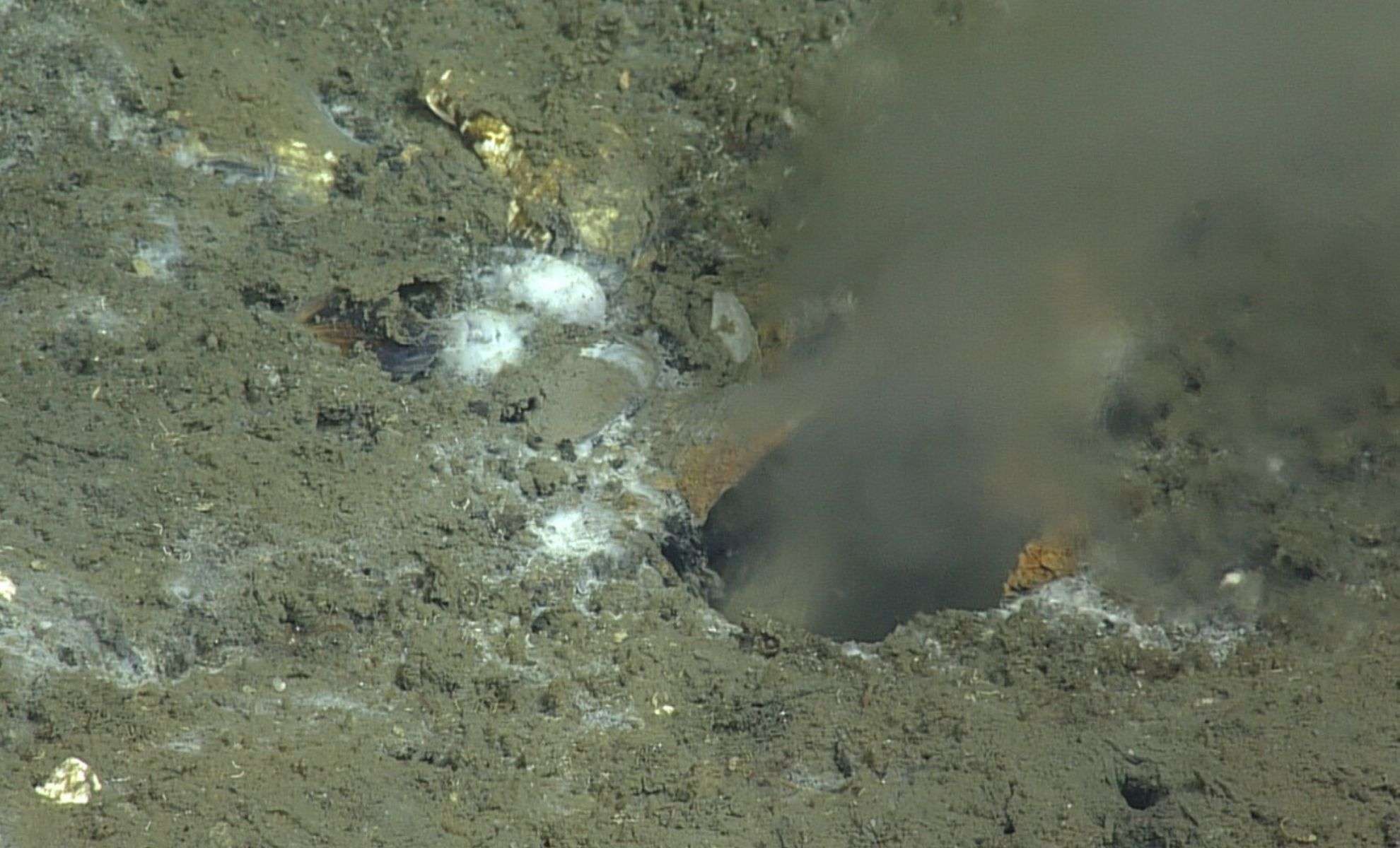
Researchers have identified a unique freshwater spring emerging from the seabed along the Pacific Northwest coast. Named Pythia’s Oasis, this underwater spring releases water from underneath a significant tectonic fault.
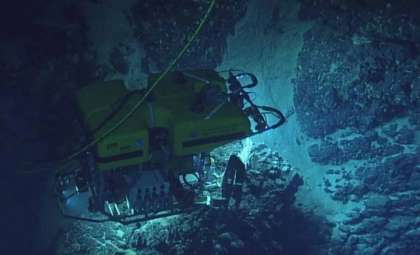
The discovery was made unintentionally during a marine survey conducted by the University of Washington team. The source seems to be the Cascadia Subduction Zone, a major geological boundary where tectonic plates collide off Oregon and Washington's shores.
This finding is especially intriguing due to its location and the possible effects it could have on tectonic stress in the area. The Cascadia Subduction Zone is well known for its potential to trigger large-scale earthquakes.

An Ocean Floor Fountain
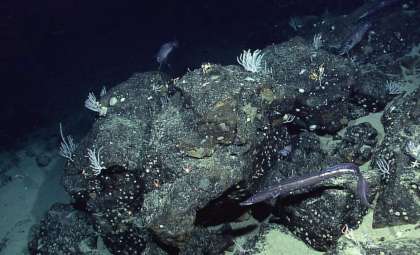
This spring, called Pythia’s Oasis, was initially noticed by oceanographer Brendan Philip when he spotted gas bubbles surfacing during an underwater expedition. Further examination revealed water gushing from the seafloor “like a firehose,” noted Evan Solomon, a marine geologist on the study team, published in Science Advances.
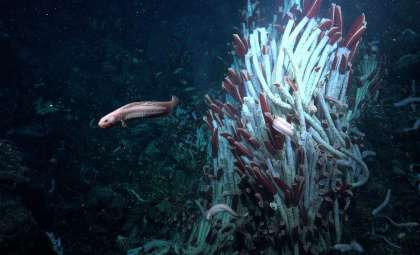
Unlike typical hydrothermal vents, which emit hot, mineral-laden fluids supporting unique marine life, this spring releases nearly pure freshwater and is unrelated to volcanic processes. The water is forced upward from deep sediments, probably close to the fault where the tectonic plates meet.
“If the fluid pressure is high, it’s like the air is turned on,” allowing plates to glide. “If the fluid pressure is lower, the two plates will lock—that’s when stress can build up,” he explained, as cited in Popular Mechanics.

The Natural Tectonic Lubricant
Pythia’s Oasis stands out because of its likely role in tectonic processes. Scientists suggest that the spring’s fluid acts as a lubricant between the North American Plate and the Juan de Fuca Plate, which are pressed tightly together beneath the ocean. As detailed by the University of Washington, this warm water originates directly from the Cascadia megathrust fault, potentially diminishing friction between the converging plates.
Evan Solomon likened the mechanism to an air hockey table: sufficient fluid pressure acts like the table’s airflow, allowing plates to slide smoothly, while a drop in pressure causes them to stick together.
If excessive fluid escapes, this lubrication lessens, creating friction that may accumulate strain and possibly trigger a significant earthquake. The team shared this analogy in their report, covered by Popular Mechanics.
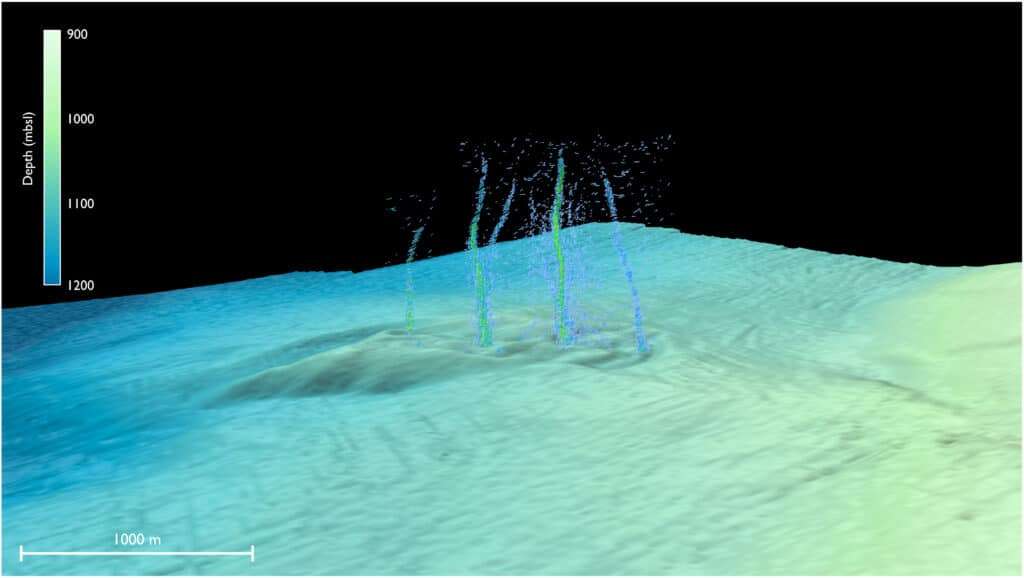
Gaining Insights From Deep Below
Scientists believe that this discovery offers a rare perspective into the dynamics occurring deep within the subduction zone. Oceanographer Deborah Kelley emphasized that the spring’s chemistry suggests its origin is near the boundary between the tectonic plates.
“Pythia’s Oasis provides a rare window into processes acting deep in the seafloor, and its chemistry suggests this fluid comes from near the plate boundary,” Kelley said in a press release.
Though tectonic forces are beyond human control, monitoring locations like Pythia’s Oasis could enable geologists to identify precursors of stress changes underground. As Popular Mechanics points out, discoveries like this may enhance earthquake risk monitoring along one of North America’s most dangerous fault lines.
- Categories:
- News




0 comments
Sign in to Comment