
For hundreds of years, parchment manuscripts have safeguarded more than just the inked narratives on their surfaces. Scientists have recently tapped into a concealed biological record embedded within these ancient texts, offering a novel way to explore history without damaging the precious artifacts.
While historians have long valued these parchments for their documented tales, the materials themselves have often been neglected. A new method now allows researchers to delve into this overlooked biological information while keeping centuries-old manuscripts fully preserved.
Used extensively across Europe, the Middle East, and parts of Africa, parchment served as the medium for legal records, religious manuscripts, maps, and official paperwork. Crafted from animal hides, these documents also hold biological clues from the source animals. According to a report in Manuscript Studies: A Journal of the Schoenberg Institute for Manuscript Studies, innovative DNA sequencing technologies now enable the retrieval of this hidden genetic archive without causing damage.

Non-Invasive DNA Sampling Through a Simple Brush
The research team tested their approach on a collection of 91 historical manuscripts housed in Duke University’s Rubenstein Library. This diverse assortment included texts from England, Ethiopia, and various other locations, dating from the late 700s through the early 1900s.
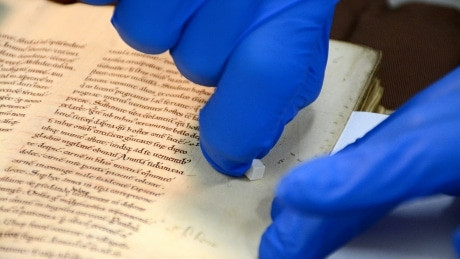
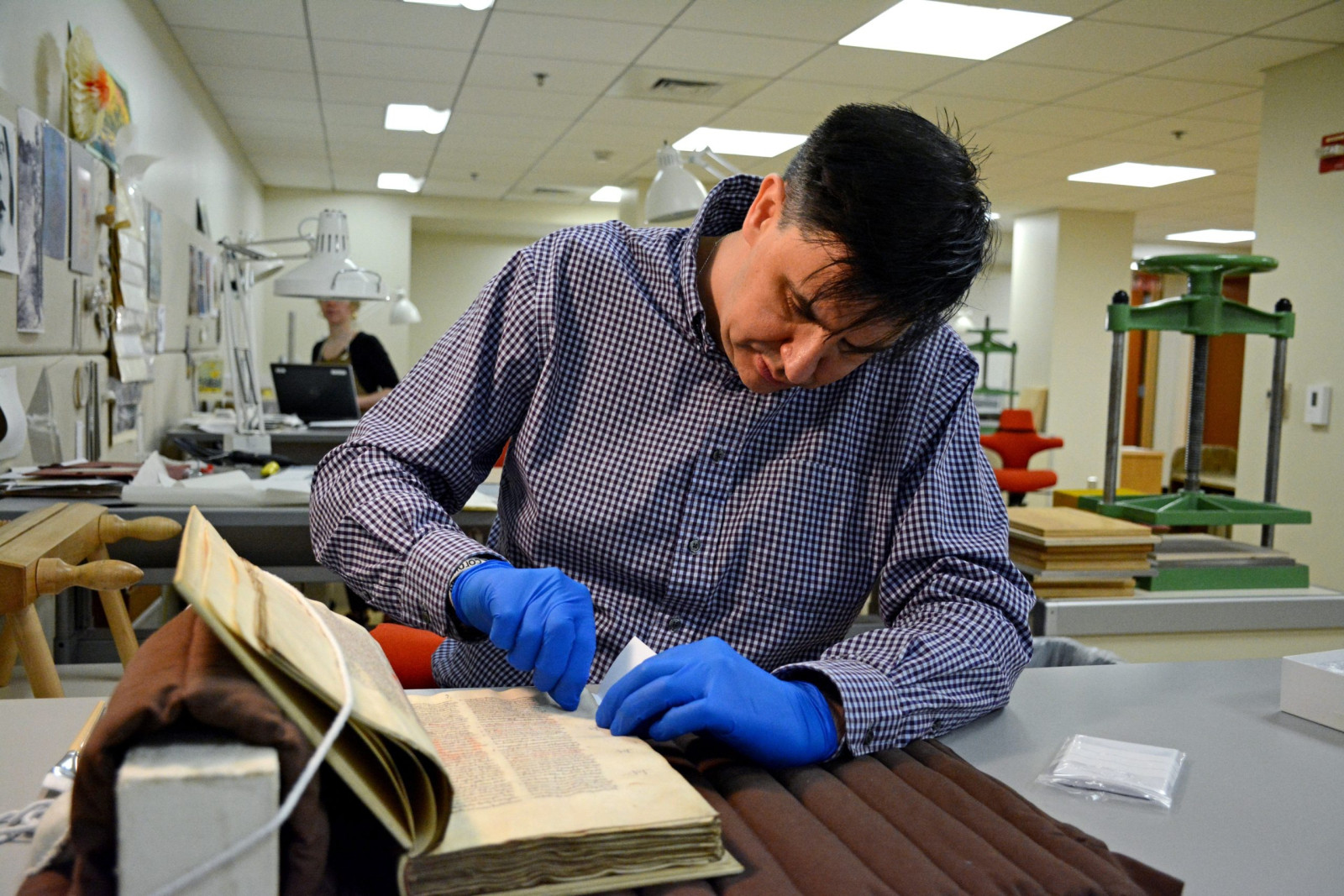
Instead of cutting or scraping the parchment, the scientists used a dry cytology brush, a tool similar to those used in Pap tests, to gently sweep the surface and gather cellular remnants while preserving the manuscripts intact. Matthew Breen, one of the study’s co-authors, noted:
“Cytology brushes can be used when dry and do an excellent job of harvesting cellular material without damaging the integrity of the artifact being sampled.”
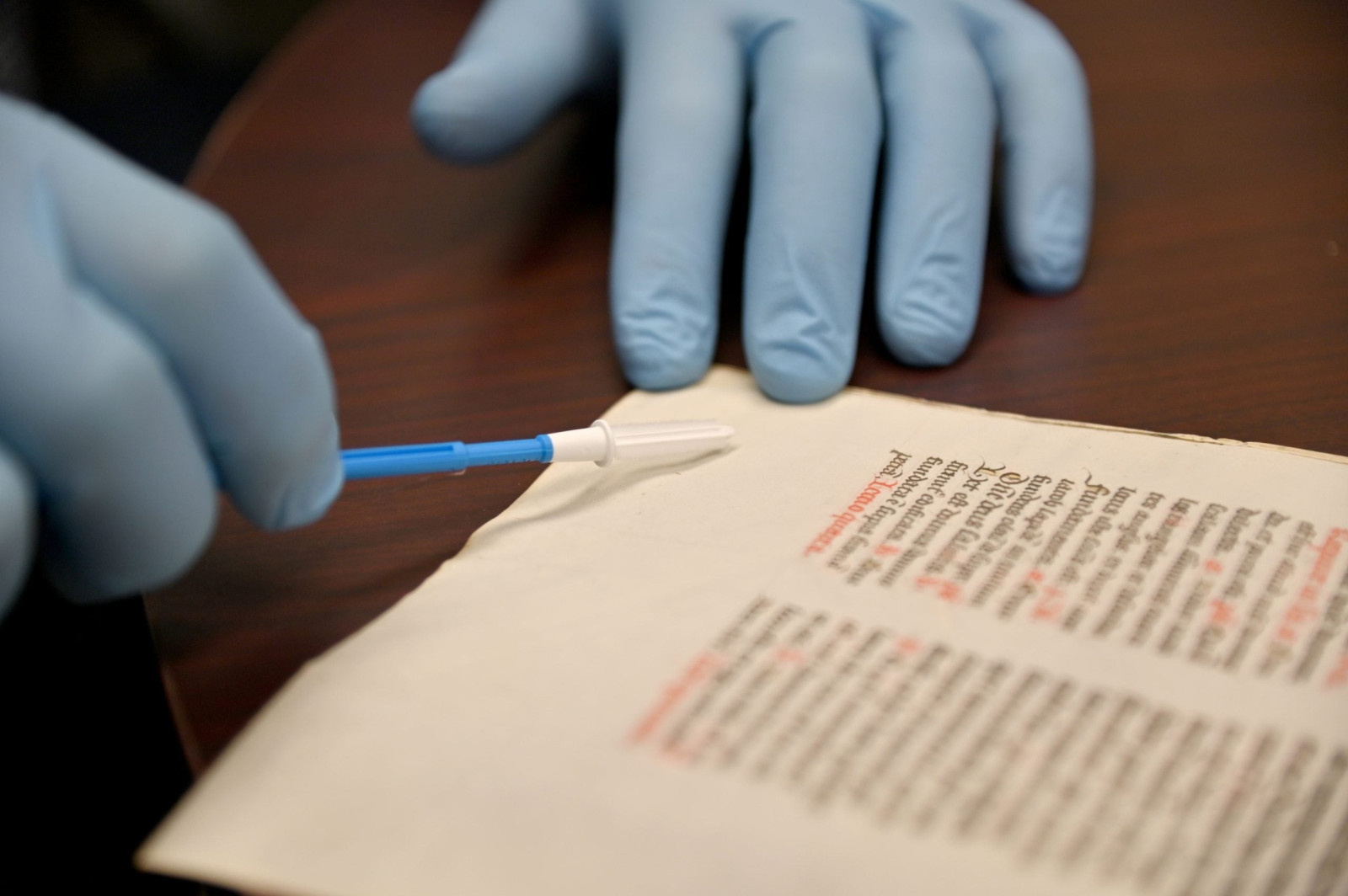
Following collection, the cellular matter was extracted and subjected to advanced next-generation sequencing processes typically used in forensic science. These techniques successfully recovered and amplified DNA sequences, enabling comprehensive genetic analysis without affecting the manuscripts’ condition.
Unlocking Historical Insights Beyond Text
As detailed in the recent publication, parchment represents more than just a medium for writing. Since it is derived from animal hides, it still carries DNA that can provide historical insight about the manuscripts’ origins.
“That genetic information, in turn, offers us a window into the past, answering questions about things such as when and where a manuscript was made.” explained Tim Stinson, the study’s corresponding author and an associate professor of English at North Carolina State University.
The genetic material preserved within parchment has significance beyond the manuscripts themselves. As outlined in a press release from NC State University, this DNA could shed light on the evolution of farm animals, the development of livestock breeds through centuries, and the spread of diseases in animals.
While the texts already record historical narratives, legal events, and religious ceremonies, the preserved DNA adds another dimension of evidence, enriching the historical context available to researchers.
Making Rare Collections More Accessible to Science
Access to rare parchment manuscripts has long been limited due to institutions’ concerns about potential harm to valuable artifacts. Museums, archives, and libraries have exercised caution when allowing scientific sampling on these priceless items.
This new research demonstrates that collecting cellular samples can be done without jeopardizing the parchment’s integrity. Stinson described this breakthrough as “a big step forward,” emphasizing how it could build confidence among those responsible for preserving culturally important documents.
“We’ve shown that we’re able to extract a tremendous amount of new information from these parchments without harming them,” said Breen. “This will hopefully engender trust with those organizations that are responsible for preserving these historic documents.”
Despite these advances, researchers emphasize that this area still holds much to explore. Stinson mentioned their intent to secure funding for further research into what he terms “a vast, untapped source of historical information.”
“We have a remarkable opportunity here. It is essentially a whole new field, bringing together a truly interdisciplinary range of expertise spanning fields from genetics to medieval history,” he concluded.
- Categories:
- Science








0 comments
Sign in to Comment