
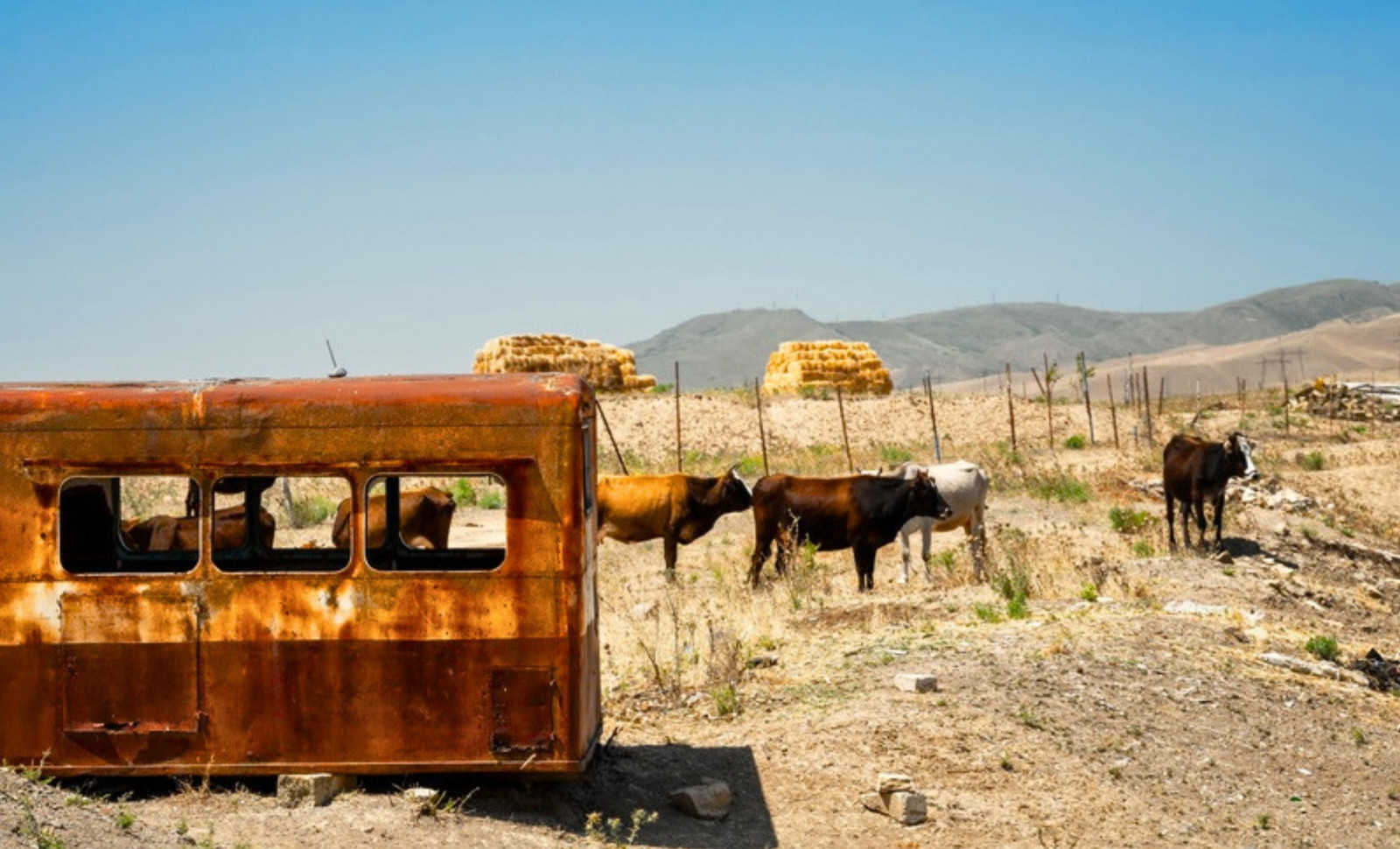
In 1871, a farmer left five cattle on a remote subantarctic island, establishing a feral population that endured for over a century despite extreme isolation. Decades after the last members of this herd were eradicated, researchers sequenced their DNA, overturning long-held ideas about their survival and adaptation to a harsh environment.
Contrary to previous beliefs, this new genetic evidence shows the herd did not reduce body size through typical island dwarfism. Instead, the cattle were likely born small, already carrying genetic traits that supported their resilience.
Released in May 2026 in the journal Molecular Biology and Evolution, the study traces the origins and genetic makeup of the feral cattle that lived on Amsterdam Island, a French territory spanning about 21 square miles in the southern Indian Ocean, located approximately 2,760 miles southeast of Madagascar. The research, led by geneticist Mathieu Gautier alongside collaborators from INRAE and the University of Liège, analyzed preserved DNA samples collected in 1992 and 2006 by sequencing eight complete genomes and genotyping ten others.

Insights Into the Herd’s Genetic Lineage
The genetic analysis revealed two primary ancestry sources. Around 75% of the cattle’s DNA aligned with European taurine breeds, particularly the modern-day Jersey cattle, while the remaining 25% resembled Indian Ocean zebu, breeds adapted to warmer climates and associated with cattle from Madagascar and Mayotte.
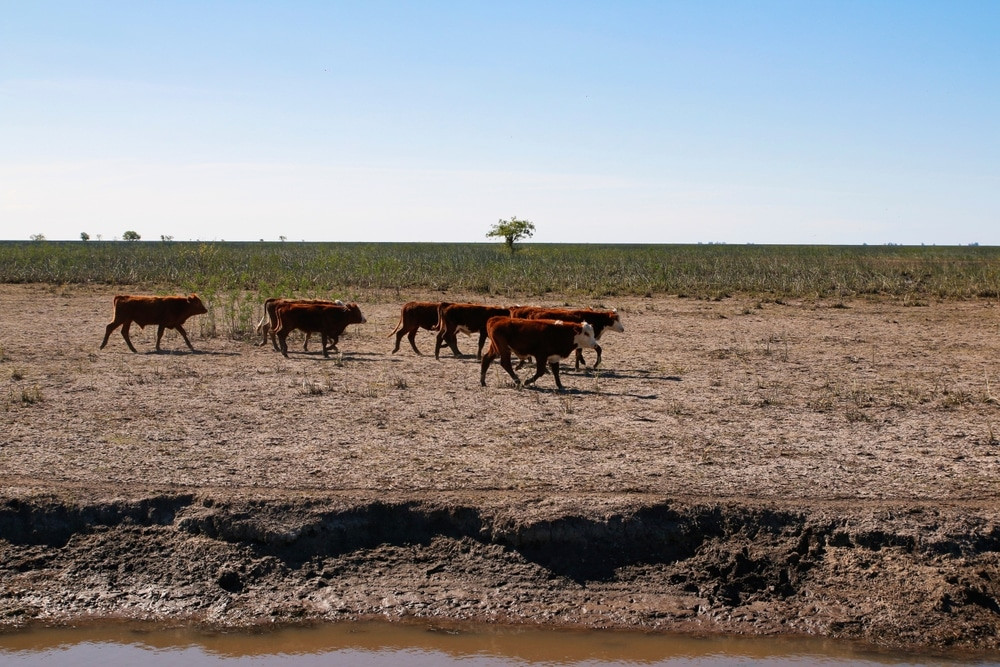
This mixed genetic background likely helped maintain diversity despite the small number of initial animals. The five cattle brought to Amsterdam Island by farmer Heurtin may have already possessed this blend before departing Réunion Island, giving the isolated herd more genetic variation than their limited population size suggested.
The European roots of the herd trace back to breeds adapted to cool, wet, and windy settings, possibly equipping the cattle with a biological edge to endure the island’s harsh conditions characterized by fierce winds, low temperatures, and a scarcity of fresh water.
Challenging Previous Assumptions on Body Size Shrinkage
This new genetic data refutes a 2017 Scientific Reports study, which claimed the cattle rapidly shrank to about 75% of their original size within a century due to island dwarfism. That earlier work, conducted by Roberto Rozzi and Mark V. Lomolino, evaluated skeletal remains from 90 adult cattle culled in the 1980s, proposing this herd as a rare contemporary example of the island rule, which describes size reduction in mammals isolated on islands.
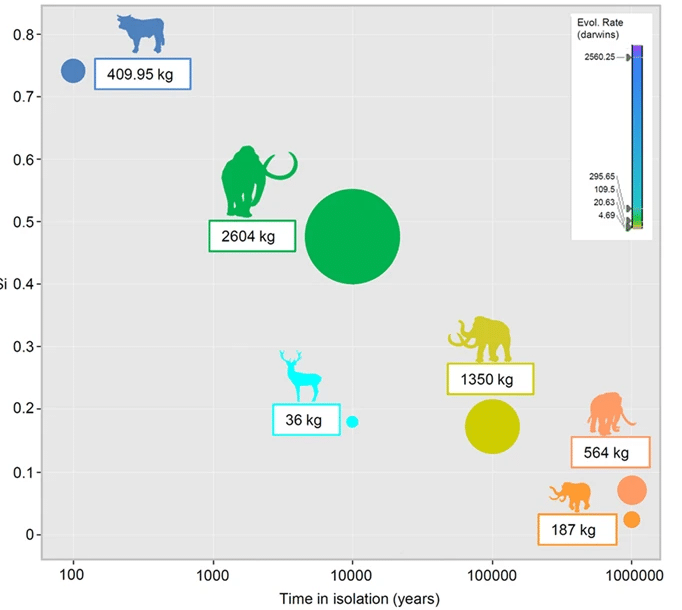
The current genome analysis disputes this model, finding no genetic evidence for selection favoring smaller body size. Instead, the cattle were likely small from the outset, possessing genetic robustness that helped their population recover quickly after a severe population bottleneck. The population grew to nearly 2,000 by 1952 and rebounded to similar numbers after a disease outbreak in 1988.
Adaptation to Extreme Isolation
Starting with just five animals meant intense inbreeding over generations. The research estimates individual inbreeding levels near 30%, which typically raises risks of genetic disorders. Relatives tend to share harmful mutations. Yet, no signs of natural selection removing damaging mutations were observed, nor did the herd suffer a genetic collapse expected from such a small founding population.
The bottleneck was intense but short-lived. Rapid population growth soon after helped preserve a significant portion of genetic diversity. Historical observations noted healthy animals, though researchers acknowledge some hidden genetic risks could have persisted.
The team employed whole genome sequencing, a technique that deciphers nearly the entire genetic code rather than select segments. As MedlinePlus Genetics explains, this method reveals the order of all DNA building blocks and detects variations across the genome, offering far deeper insights than older approaches that targeted only coding regions.
Reasons Behind the Herd’s Removal
By the late 1980s, conservationists faced a difficult dilemma: protect the unique feral herd or preserve the island’s fragile native ecosystem. In 1995, Pierre Jouventin’s paper in Biological Conservation identified the cattle as a substantial threat to endangered local species, including the Amsterdam albatross and the rare Phylica arborea tree.
In response, a fence was erected in 1987, and over the following two years, more than a thousand cattle were removed from the island’s southern region. The Agreement on the Conservation of Albatrosses and Petrels later confirmed that the last cattle were culled in 2010 as part of comprehensive ecosystem restoration efforts, including replanting native flora. In 2019, UNESCO designated the French Austral Lands and Seas as a World Heritage site.
This genomic investigation was possible because researchers had preserved DNA samples from 18 individual cattle collected before the herd’s eradication. The study notes there was no systematic collection of biological material during the herd removal, making the stored DNA invaluable. Using modern genotyping and whole genome sequencing of these samples gave scientists a unique opportunity to reexamine the legacy of five cattle abandoned on a windswept island over 130 years ago.
- Categories:
- Science


0 comments
Sign in to Comment