
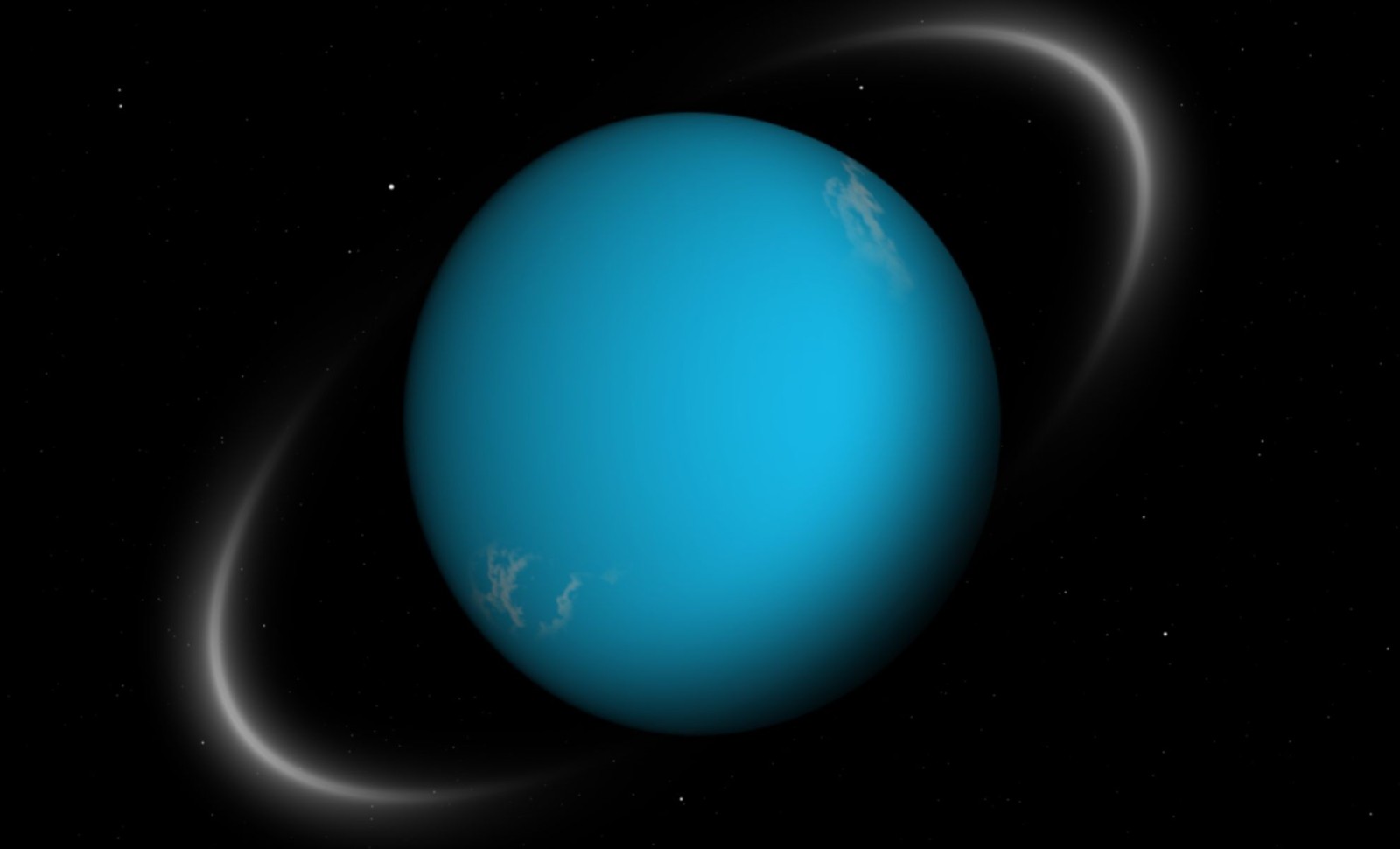
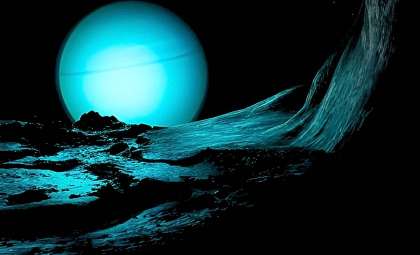
Uranus stands out in our solar system due to its unusual axial tilt of nearly 59 degrees, making it a fascinating subject for planetary scientists. Its magnetic field is notably misaligned and off-center, contrasting sharply with the more regular magnetic fields seen on planets like Earth.
For decades, researchers have grappled with understanding how this irregular magnetic field reacts to the solar wind, the continuous flow of charged particles emitted by the Sun. A groundbreaking study now points to the combined effects of the solar wind and intense plasma storms as the crucial elements explaining Uranus’ unpredictable magnetic environment.
Role of Solar Wind and Plasma Storms in Uranus’ Magnetosphere
The latest research, published in Geophysical Research Letters, reveals that the peculiar magnetosphere of Uranus can be largely understood through its interactions with solar winds and plasma storms. While solar wind—a continuous stream of charged solar particles—typically follows well-known patterns in impacting planetary magnetic fields, Uranus presents a more complex case, as seen in recent observations.

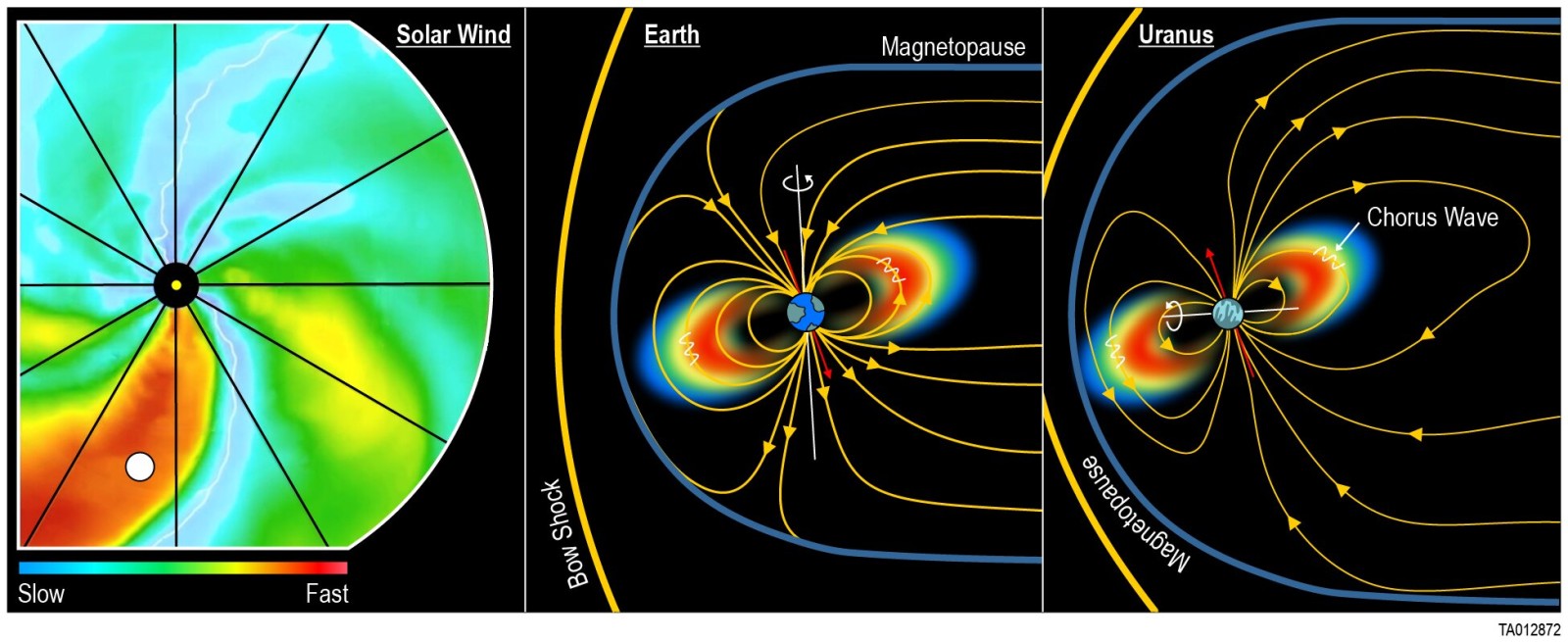
The planet’s unusual magnetic tilt combined with the density of incoming plasma storms leads to a chaotic and unpredictable magnetic response. These plasma storms, previously underestimated in their importance, are now considered the dominant drivers behind Uranus’ magnetic anomalies. This discovery may transform our understanding of magnetic field dynamics for planets in the outer solar system.
New Analysis of Voyager 2 Flyby Observations
A significant part of this breakthrough emerged from reanalyzing data sent by NASA’s Voyager 2 spacecraft during its 1986 passage by Uranus. Although that mission gathered rich datasets, the influence of solar wind and plasma storms on the planet’s magnetosphere had not been fully investigated until now. By revisiting this information through a fresh lens, scientists have uncovered previously hidden aspects of Uranus' magnetic behavior.
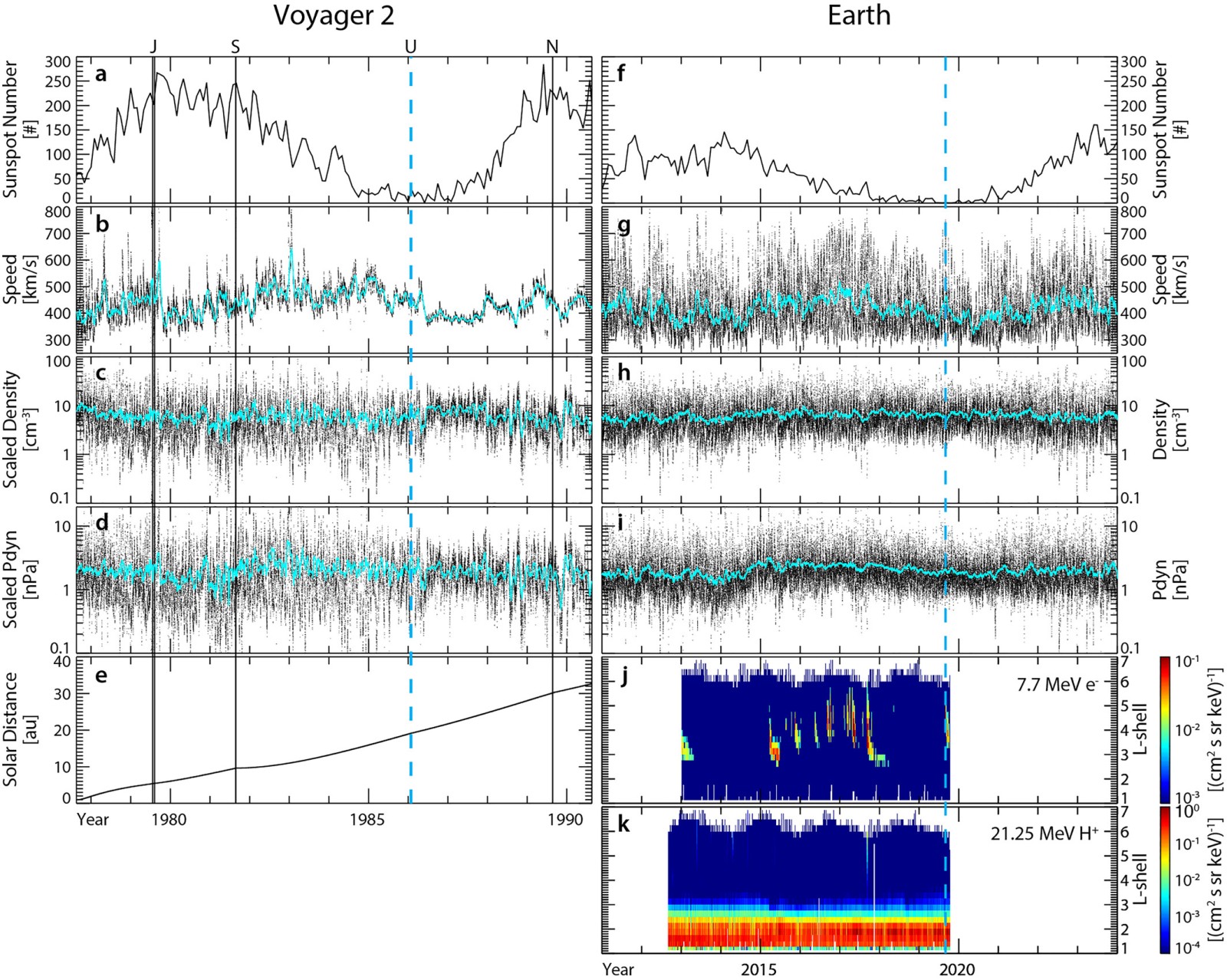
According to the new findings, intense plasma storms exert a much greater effect on Uranus’ magnetosphere than scientists had originally anticipated.
“This is just one more reason to send a mission targeting Uranus,” stated Dr. Robert Allen from SwRI, lead author of the paper detailing this research. “The findings have some important implications for similar systems, such as Neptune’s.”
- Categories:
- Space





0 comments
Sign in to Comment