
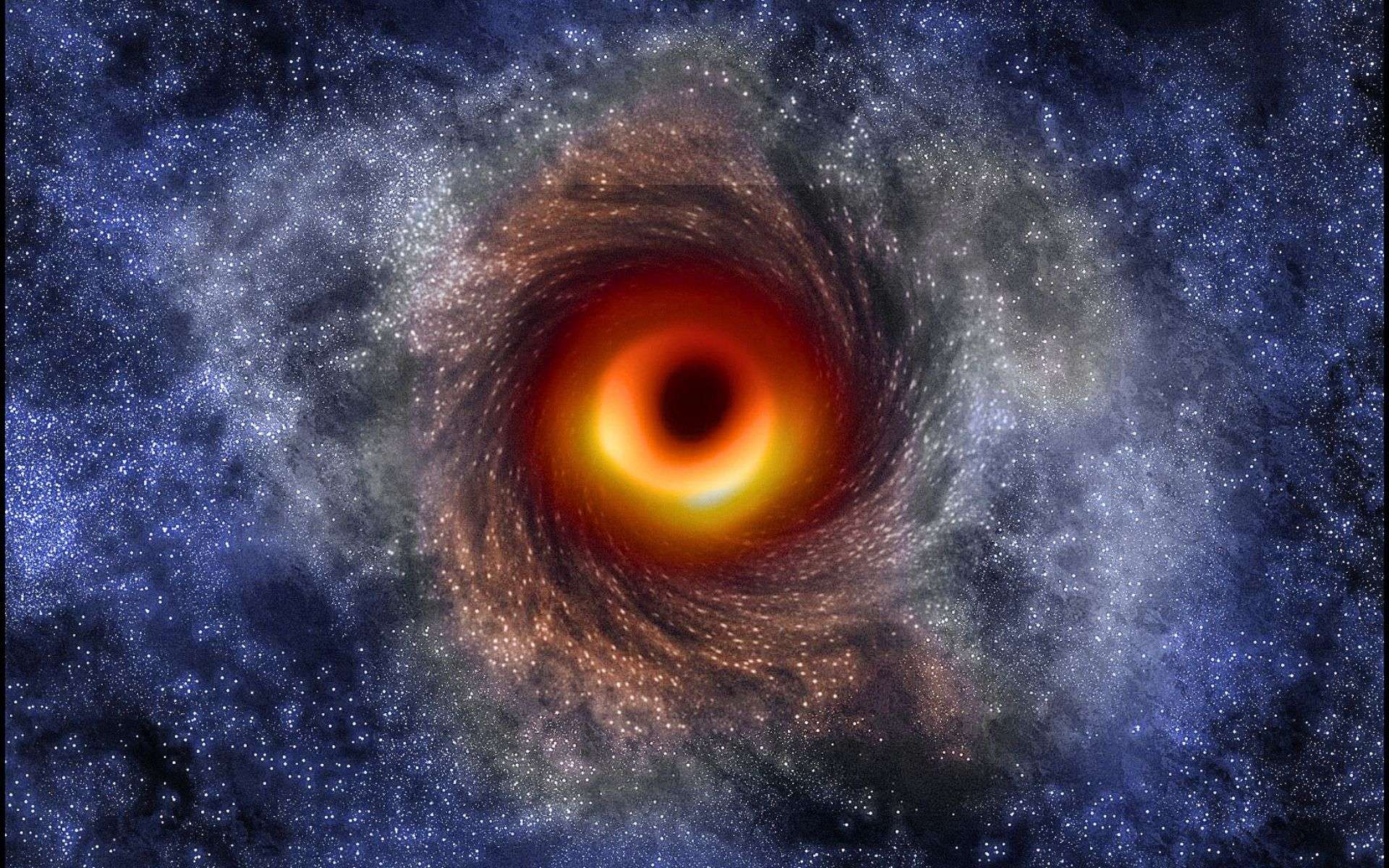
A luminous star in the Andromeda Galaxy seemingly disappeared without the usual explosive finale, potentially marking the first-ever observed "failed supernova"—a subtle cosmic event that could hint at the birth of a black hole. Over seven years, this once-vibrant star gradually dimmed until it vanished, capturing the excitement of astronomers eager to unveil this silent stellar end.
The Quiet End of Massive Stars
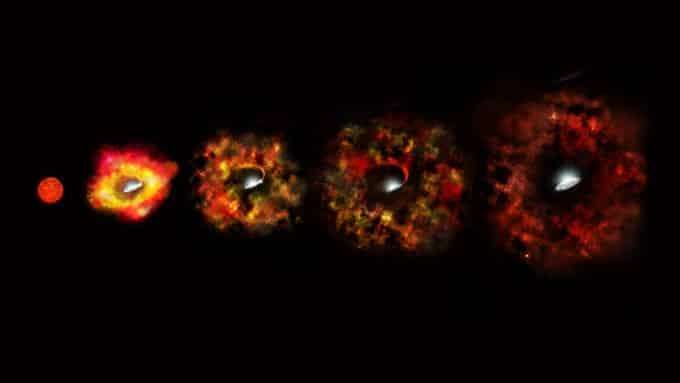
Massive stars typically end their lives with a spectacular supernova explosion, triggered by the collapse of their core. This dramatic event lights up the cosmos with an intense burst of energy. Yet, not all stars follow this path: some might quietly collapse without generating an explosive explosion. In such cases, the core contracts silently, resulting in a black hole forming discreetly, without the typical fiery display.
Identifying a ‘Failed Supernova’ Candidate in Andromeda
Now, concrete evidence points to a promising candidate for a silent stellar collapse. A prominent supergiant star in the Andromeda Galaxy began fading in 2016, and by 2023 it was no longer observable. The research group, led by MIT’s astrophysicist Kishalay De, released their findings on arXiv.org in October, stimulating fresh enthusiasm about the phenomenon of failed supernovae.

Astrophysicist Morgan Fraser commented, “This is precisely what we’d anticipate from a failed supernova—something vast and luminous simply vanishes.”
Yet, the challenge remains: no explosion or bright light was detected, which typically accompanies a star’s collapse. De and colleagues suggest the star might have lost its outer hydrogen layers, explaining the silent disappearance without the fireworks.
Could This Event Confirm Black Hole Formation?
Establishing this as a failed supernova would be a landmark discovery, capturing the quiet onset of a black hole in real time and profoundly enriching our grasp of stellar deaths. Christopher Kochanek of Ohio State University emphasizes that observing such an event directly offers a rare window into black hole creation, filling a crucial gap in astronomical knowledge.
But skepticism is warranted. Previously, similar cases were later identified as cosmic dust clouds obscuring stars rather than their actual demise. The detected infrared glow complicates the story—does it stem from a dying star’s final emissions, or could it instead be dust or even two stars merging?
Ongoing Investigations Seek Definitive Evidence
Scientists are leveraging advanced instruments like the James Webb Space Telescope (JWST) to delve deeper. Follow-up studies with JWST have validated infrared signals linked to past suspected failed supernovae. Continuation of these observations will clarify whether the faint glow signals black hole formation, or merely remnants from other cosmic activity.
Current strategies to confirm a failed supernova include:
- Infrared Surveillance: Tracking leftover glow signifying matter accreting onto a black hole.
- X-ray Detection: Searching for high-energy emissions indicative of black hole consumption.
- Dust Composition Studies: Distinguishing between intervening dust clouds and genuine stellar collapse events.
- Monitoring Light Variations: Observing shifts in luminosity that could reveal ongoing activity or silence in the star’s vicinity.
Astrophysicist Griffin Hosseinzadeh of University of California, San Diego reflects the complexity: “Given the limited data, it’s challenging to conclusively differentiate between these possibilities.”
- Categories:
- Astronomy ,
- Space



0 comments
Sign in to Comment