
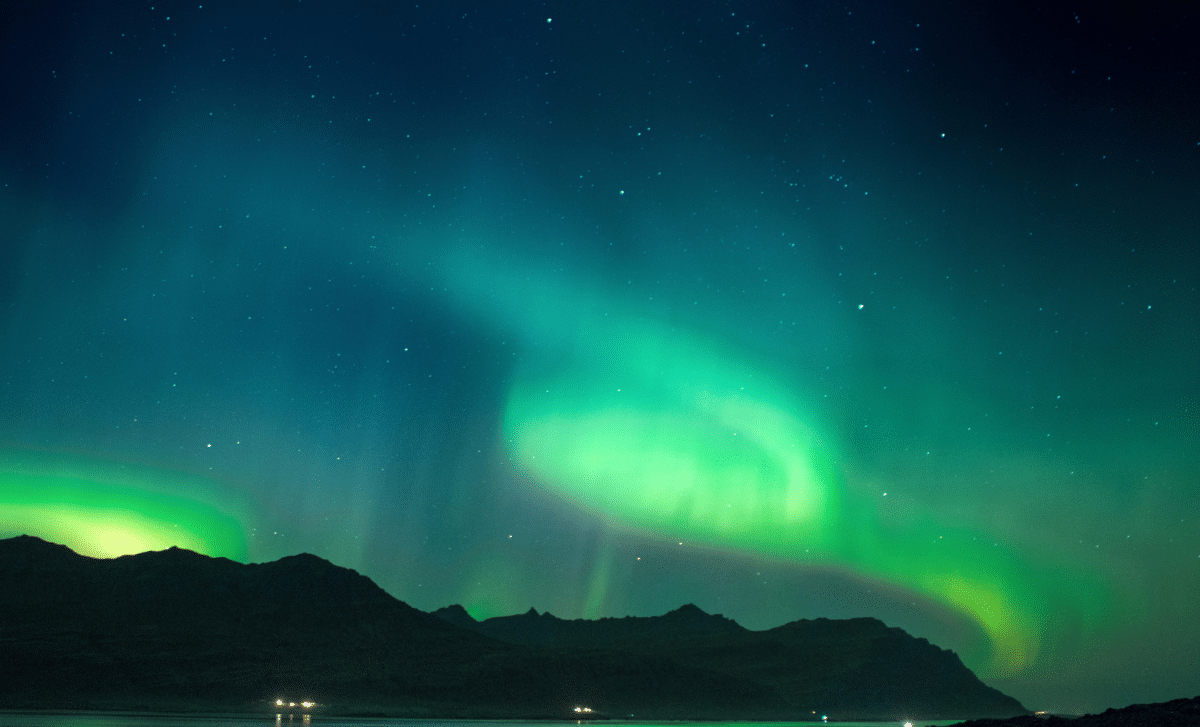
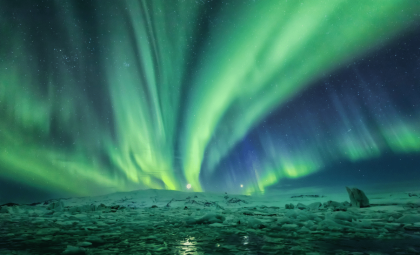
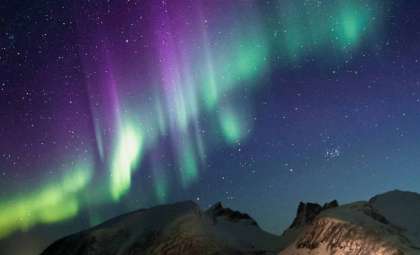
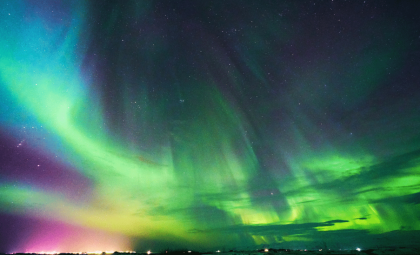
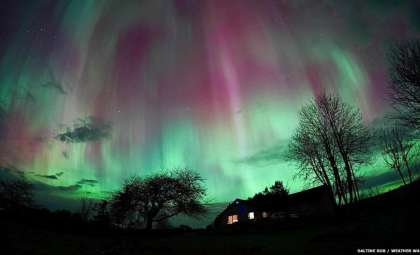
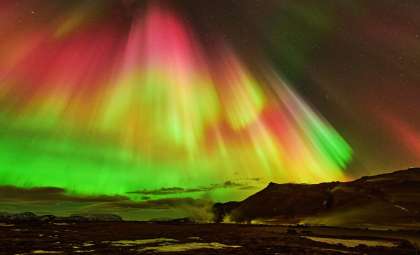
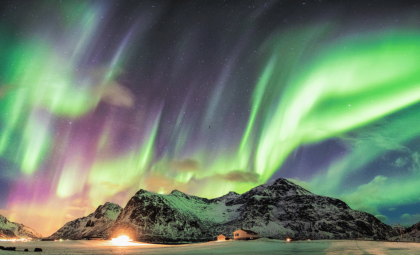
An intense solar event is expected to illuminate the night skies for millions across the northern United States, with the aurora borealis possibly visible in as many as 20 states this week. According to space weather specialists at NOAA, a G3-class geomagnetic storm generated by a coronal mass ejection (CME) from the sun on June 6 could create stunning auroral displays along the northern sky starting Monday, June 8, through Tuesday, June 9.
Decoding the Solar Storm and Aurora Display
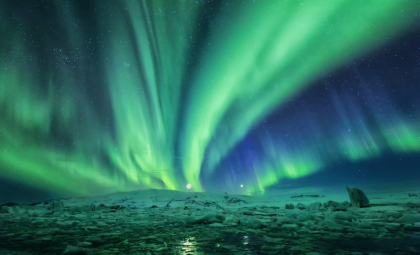
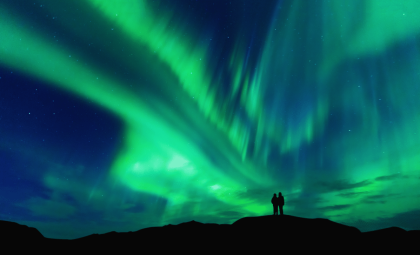
The mesmerizing aurora borealis happens when electrically charged solar particles interact with Earth's magnetic field. During a coronal mass ejection, a vast bubble of magnetized plasma rockets through space at speeds up to 1,900 miles per second. When these energized particles collide with oxygen and nitrogen atoms high in Earth’s atmosphere, they excite these gases and emit light as striking green and red patterns. A G3-grade storm can push these colors well beyond usual polar latitudes, reaching farther into the mid-latitudes of northern U.S. regions.
Aurora visibility depends on several factors in space weather, including the Kp Index and the Bz direction of the interplanetary magnetic field. A prolonged southward Bz component allows solar particles to penetrate Earth's magnetic shield more easily, increasing chances for brilliant aurora shows. NOAA warns that with predicted Kp values reaching 7, many northern states could experience an extraordinary light exhibition.

Top U.S. States for Aurora Viewing
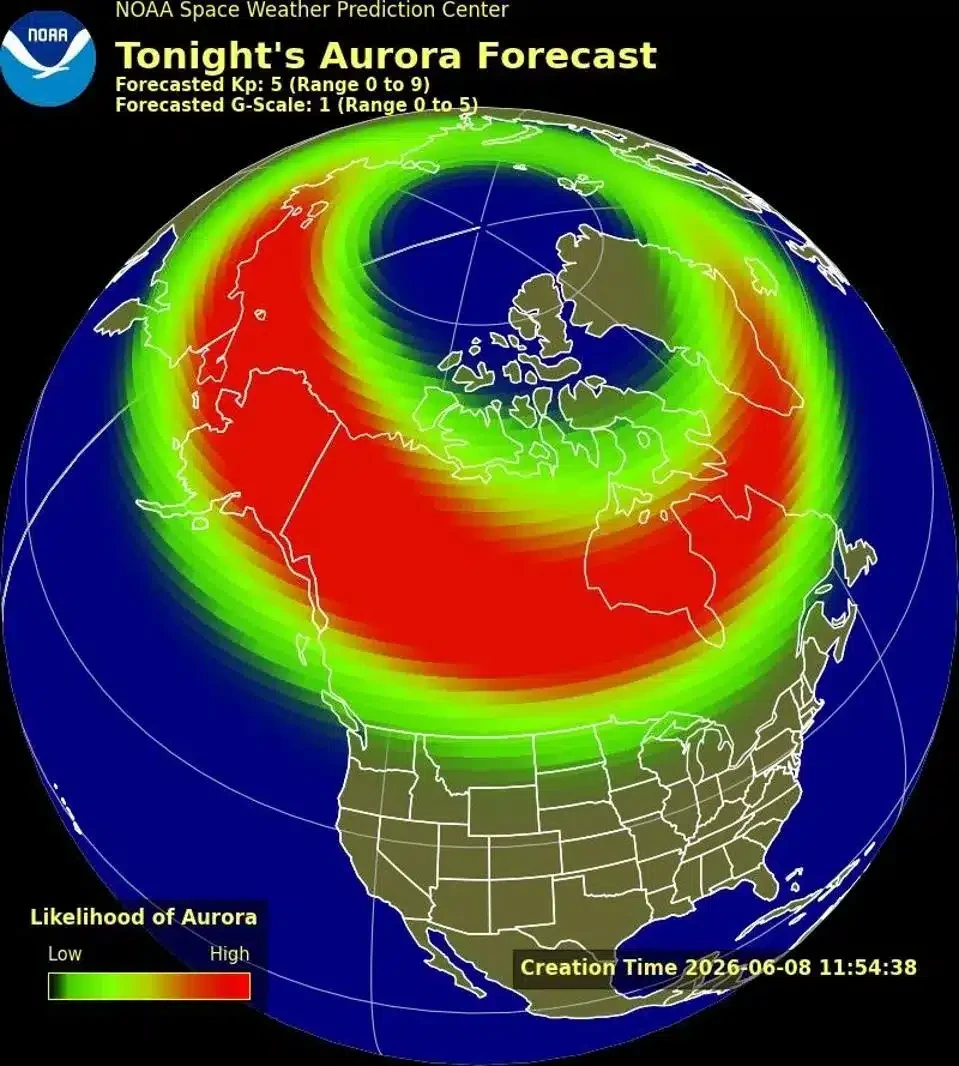
Those hoping to catch the aurora in northern states like Washington, Idaho, Montana, North Dakota, South Dakota, Minnesota, Wisconsin, Michigan, and Maine are likely to have the best sightlines. Meanwhile, states further south such as Oregon, Wyoming, Nebraska, Iowa, Illinois, Indiana, Ohio, Pennsylvania, New York, Vermont, and New Hampshire might also get lucky if the conditions are right and skies remain free of light pollution.
During a G3 storm, residents in darker parts of Kansas, Missouri, Kentucky, West Virginia, Virginia, and Maryland could witness unusual auroral activity, though optimal viewing demands clear, dark skies. Experts advise consulting Dark Sky Place Finder maps and aurora forecasting apps to locate prime vantage points and track solar wind details in real time.
When to Watch and Viewing Tips
This solar storm coincides with a seasonal viewing challenge: the nights near the June Solstice are short, with twilight lasting late, limiting true darkness. However, the waning crescent moon rising just before dawn on Tuesday offers a darker period, enhancing the chances of spotting the lights. Patience and strategic timing are essential, as auroras often appear sporadically, mainly near the northern horizon.
Because space weather evolves swiftly, staying updated is crucial. NOAA and platforms like SpaceWeatherLive.com, Aurora Now, and My Aurora Forecast give continuous updates on solar winds, Kp forecasts, and storm strength. Keeping an eye on these resources can mean the difference between glimpsing a fleeting glow or witnessing a breathtaking auroral show.
The Science Behind Geomagnetic Disturbances
Geomagnetic storms arise when solar wind particles disturb Earth’s magnetic field, generating energy waves that affect the atmosphere. These storms range from G1 (minor) to G5 (extreme), with G3 classified as moderately strong. While admired primarily for producing auroras, powerful geomagnetic storms can disrupt satellites, radio signals, and power grids. Studying CME mechanisms enables scientists to forecast aurora events and prepare infrastructure for possible impacts.
Nonetheless, the aurora’s colorful spectacle remains one of nature’s most dazzling phenomena. This solar event offers residents and visitors in the northern U.S. a unique opportunity to enjoy a cosmic light performance from their own backyards.
- Categories:
- News

0 comments
Sign in to Comment