
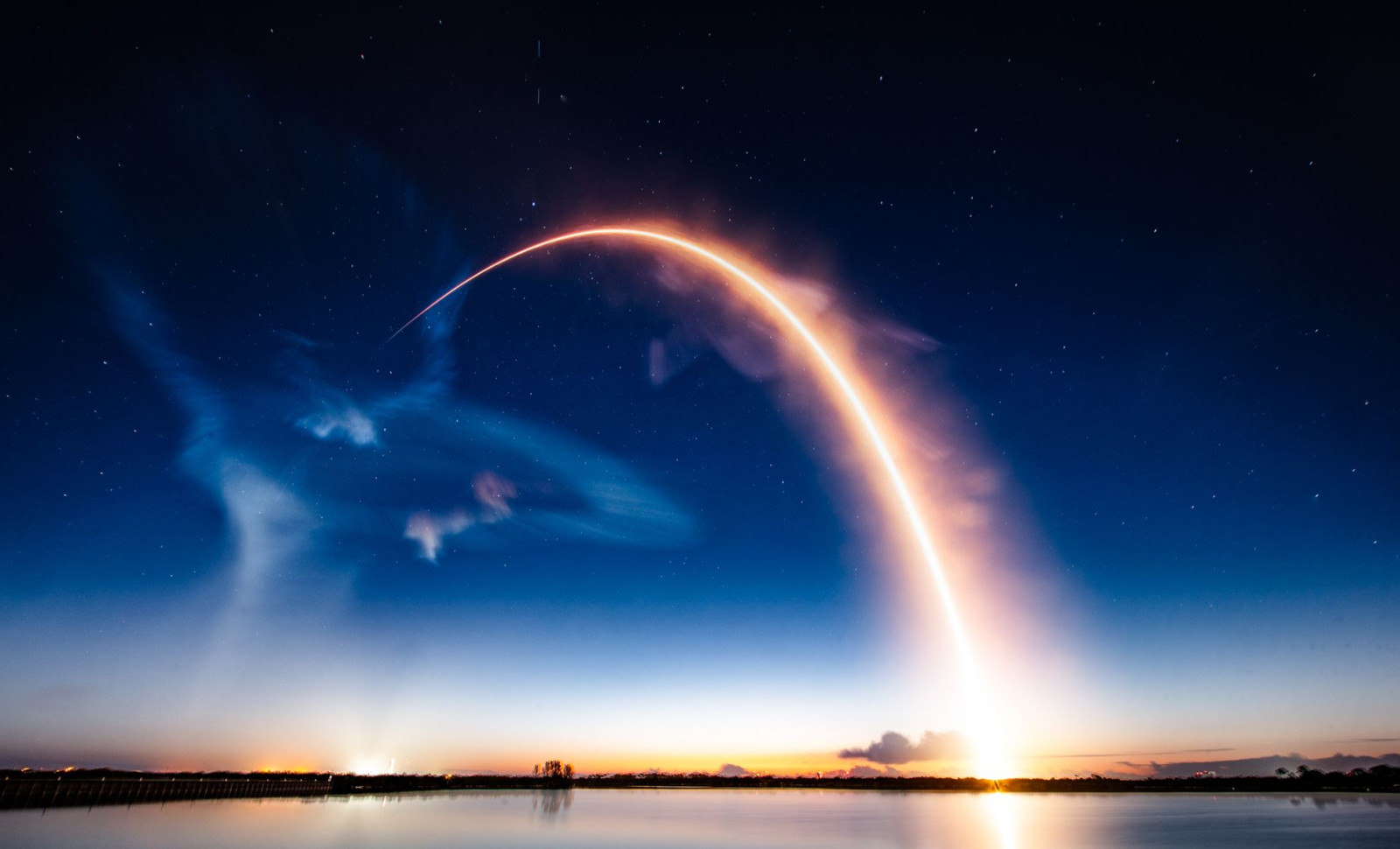
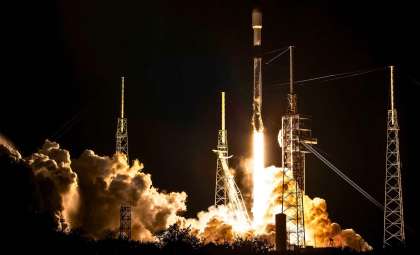
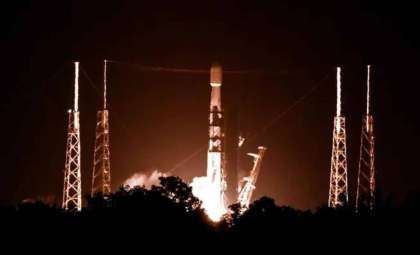
On the morning of March 4, 2026, a SpaceX Falcon 9 rocket propelled 29 Starlink satellites into orbit, creating a spectacular, glowing cloud that resembled a giant jellyfish lighting up the Florida dawn. This rare atmospheric phenomenon occurred as sunlight illuminated the rocket’s exhaust plumes far above the darkened horizon.
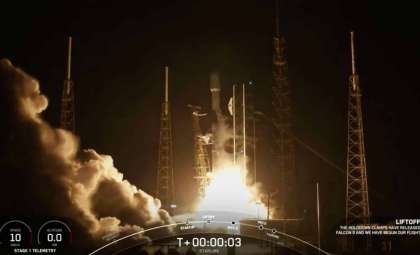
The launch occurred at 5:52 a.m. ET from Cape Canaveral Space Force Station. Though the deployment of satellites was routine, the timing turned the launch into a breathtaking event witnessed by early morning observers along the Space Coast.
This mission highlighted another advancement in the rapid buildup of SpaceX’s Starlink constellation and set a new flight milestone for one of the company's most frequently reused rocket boosters.

How Sunrise Creates the 'Space Jellyfish' Illumination
The mesmerizing jellyfish-like glow emerged soon after the Falcon 9 lifted off, as the rocket ascended into the upper atmosphere. As explained by Space.com, this light show happens when sunlight hits the rocket’s exhaust plume at high altitudes where the ground remains dark.
The plume is made up mostly of water vapor and carbon dioxide, expanding into a luminous cloud that reflects sunlight in striking blue and orange hues. Observers on the surface see a vivid central plume with trailing shapes, creating the illusion of a floating jellyfish drifting through the sky.
Launches near dawn or dusk frequently trigger this dazzling spectacle, since the rocket quickly reaches sunlit altitudes while those watching from below are still in the dark.
Falcon 9 launches 29 @Starlink satellites from Florida pic.twitter.com/GMLUDFBTao
— SpaceX (@SpaceX) March 4, 2026
Deploying 29 Starlink Satellites into Low Earth Orbit
The flight carried 29 Starlink satellites, labeled as part of Group 10-40, to low Earth orbit. This launch signifies continued rapid expansion of SpaceX’s satellite internet system, nearing a fleet size of almost 10,000 spacecraft orbiting Earth.
Starlink-related missions now make up most of SpaceX’s launches. This particular flight was the company's 28th launch in 2026, with 23 dedicated to Starlink deployments, according to reports.
This satellite network aims to offer high-speed broadband internet access worldwide via a constellation of thousands of satellites flying in coordinated orbital paths.
Falcon 9 Booster B1080 Marks 25th Flight
The mission’s first stage, Booster B1080, completed its 25th flight during this launch. After detaching from the upper stage, it safely touched down on the droneship “A Shortfall of Gravitas” stationed in the Atlantic Ocean near Florida.
SpaceX’s mission logs, discussed by Space.com, indicate this event marked the company’s 580th successful booster recovery. Reusability remains a core aspect of the Falcon 9 program.
Booster B1080 has supported numerous key missions before, including Ax-2, Euclid, Ax-3, CRS-30, SES Astra 1P as well as multiple Starlink deployments, showcasing the reliability of SpaceX’s reusable hardware.
- Categories:
- Space





0 comments
Sign in to Comment