
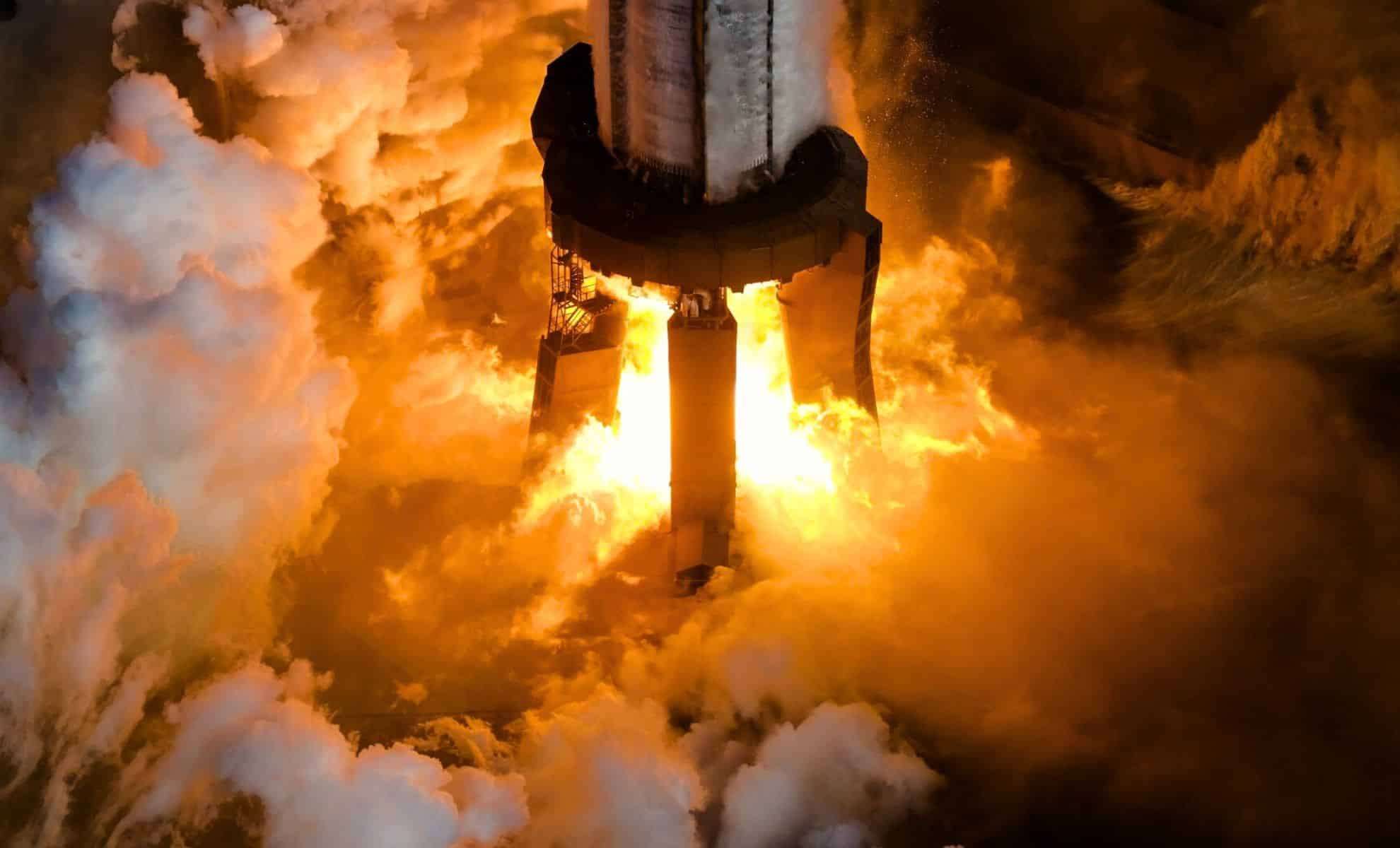
As China speeds up its lunar exploration plans aiming to send astronauts by 2030, doubts are surfacing about whether the United States can maintain its own schedule or risk falling behind in a race it once dominated.
At the heart of this uncertainty is SpaceX’s Starship, the ambitious spacecraft NASA relies on to transport astronauts during the Artemis III lunar mission. Originally planned for 2025, the mission has been delayed to 2028, with some NASA insiders warning it might be pushed back further—potentially as late as 2032—if technical problems persist.
“More time is needed whenever you’re working with technologies that break from the norm,” said Douglas Loverro, former head of NASA’s human spaceflight division, in a recent interview with SpaceNews. “If a backup plan is needed, now’s the time to start preparing it.”
Add Cosmo Herald as a Preferred Source

Technical Challenges with Starship Raise Concerns
NASA’s 2021 decision to award SpaceX a $2.9 billion contract to develop the lunar version of Starship marked a pivotal move towards commercial partnerships in human spaceflight. The reusable design promised significant cost reductions, increased cargo capacity, and greater flexibility—at least in concept.

However, Starship’s development has been inconsistent. Recent test flights have ended in catastrophic failures, preventing astronauts or cargo from reaching orbit. The vehicle depends heavily on orbital refueling, a complex maneuver not yet proven at the required scale, without which it cannot transport its full lunar payload.
“The rocket simply isn’t ready,” said one former NASA engineer who spoke on condition of anonymity. “Even if the technology works eventually, we’re still looking at years of refinement before we can consider it flight-ready.”
A 2023 NASA Office of Inspector General (OIG report, 2023) analysis notes that Artemis program delays have already driven budgets beyond $93 billion, with the development of Starship identified as a major bottleneck.
China’s Deliberate Approach to Moon Exploration
In contrast, China pursues a systematic and well-supported space program. The China National Space Administration (CNSA) has effectively showcased lunar landing and sample return technologies through its Chang’e missions.
A 2023 CNAS report highlights Beijing’s robust investments in in-orbit docking, long-term lunar infrastructure, and crew support systems, progressing quietly but steadily.
If successful, China could become the second country ever to put humans on the Moon and the first to establish a lasting presence there.
Scrutiny Grows Over NASA’s Reliance on SpaceX
Delays and uncertainties have raised concerns among former NASA leaders, especially regarding the heavy dependence on a single private company for such a critical mission.
“There is no redundancy,” said Lori Garver, former NASA Deputy Administrator. “We need to have at least one other system in the pipeline.”
Unfortunately, few alternatives exist. Boeing’s Human Landing System bid was rejected early on, while Blue Origin’s lunar lander, awarded a contract in 2023, is still far behind Starship’s progress.
Meanwhile, SpaceX founder Elon Musk remains optimistic, promising that Starship will achieve full reusability within a year and eventually carry over 100 tons into orbit. He recently described the setbacks as “expected bumps in the road” during a podcast interview.
- Categories:
- Space










0 comments
Sign in to Comment