
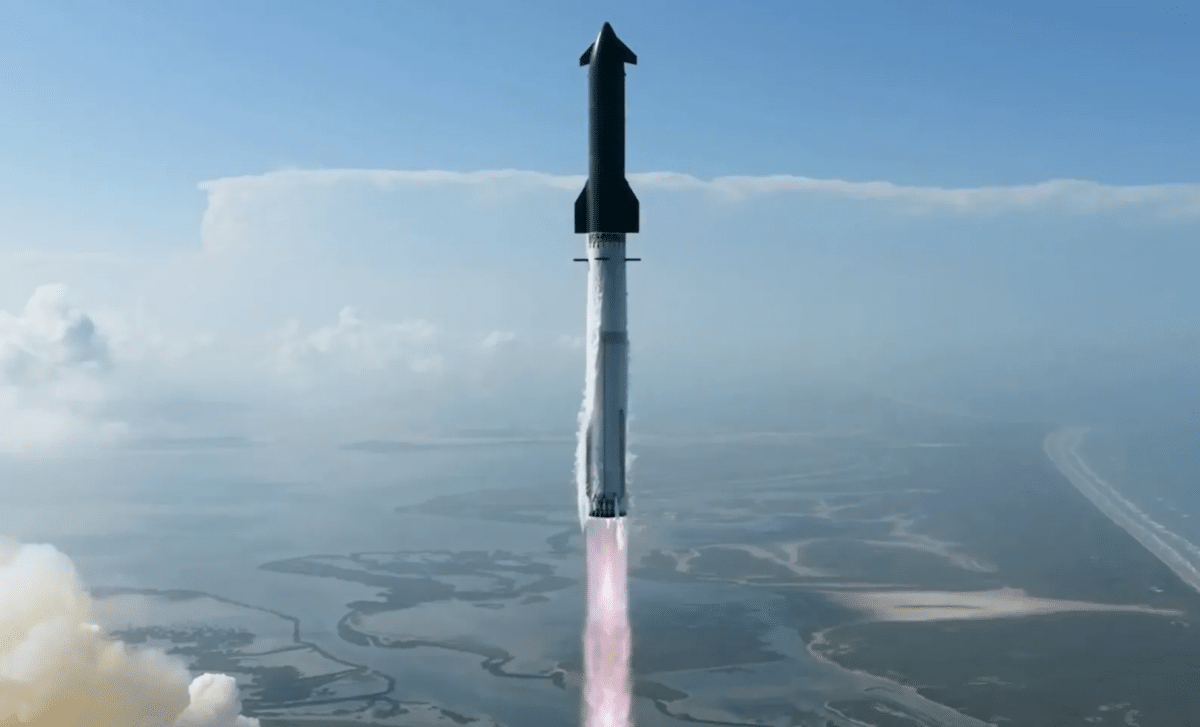
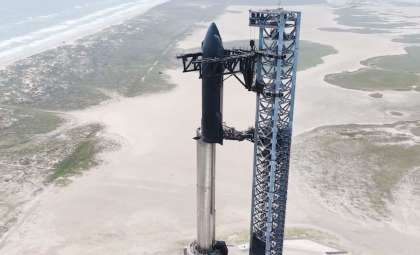
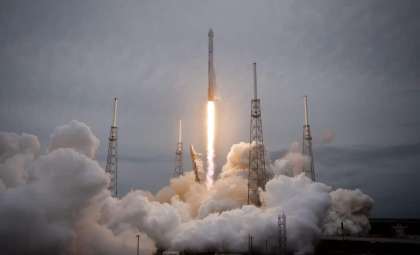
On May 22, 2026, SpaceX achieved a historic milestone by launching Starship Version 3 (V3), the most powerful rocket ever built, from its Starbase launch site in South Texas. This towering 408-foot vehicle soared during its 12th suborbital mission, delivering a mix of test and active Starlink satellites into orbit, showcasing pioneering advancements in aerospace technology.
Advancing Starship’s Capabilities
Starship V3 is a significant overhaul compared to the previous V2 design, featuring enhanced structures that set the stage for future missions to the Moon and Mars. Innovations include an upgraded interstage that supports hot staging, enabling the upper stage engines to ignite while still coupled to the booster. The flight carried 22 payloads, including Starlink satellites equipped with cameras to inspect the rocket’s thermal protection system in flight.
“Congratulations SpaceX team on an epic first Starship V3 launch & landing!,” SpaceX CEO Elon Musk wrote on X after the launch. “You scored a goal for humanity.”
Add Cosmo Herald as a Preferred Source

This event was the first Starship launch since October 2025, and Flight 12 demonstrated both the vehicle’s promise and technical challenges. Although some Raptor engines shut down during flight, the upper stage successfully reached space, proving crucial design elements of V3 under actual flight conditions.
Congratulations @SpaceX team on an epic first Starship V3 launch & landing!
You scored a goal for humanity.— Elon Musk (@elonmusk) May 23, 2026
Obstacles Encountered During Liftoff
The flight experienced setbacks: one of the 33 Raptor engines on Super Heavy’s first stage shut down at liftoff, and the booster did not complete its planned boostback burn, eventually making a controlled splashdown in the Gulf of Mexico. "The booster didn't complete its full boost back," stated SpaceX's Dan Huot post-launch. "Its mission ended a little early but landed safely within the predefined zone."
Additionally, the Starship upper stage lost one of its six main engines while ascending but continued a suborbital trajectory using the remaining engines. SpaceX’s live broadcast noted that while full orbital insertion was not achieved, the mission still yielded valuable insights for refining V3 for future crewed missions, lunar landings, and Martian expeditions.
Satellite Release and On-Orbit Insights
Over a period of ten minutes, the mission deployed twenty-two payloads, including two functioning Starlink satellites with cameras to survey the heat shield’s condition post-launch. The other twenty were test payloads humorously nicknamed “Dodger Dogs” by SpaceX engineers, providing visual feedback on deployment processes.
Originally, the mission planned to demonstrate engine reignition in space, a crucial maneuver for orbit adjustments during interplanetary missions. Due to the engine loss during ascent, this test was not performed. Dan Huot confirmed that priority was given to the secure release of satellites and verifying the spacecraft’s structural integrity upon reentry.
Return and Landing Dynamics
After almost fifty minutes, Starship V3 began its descent phase. Ship 39 executed maneuvers stressing its framework and simulating the posture needed for future tower-assisted landings. Although only two engines were engaged for the landing burn—one engine having failed earlier—the spacecraft eventually fell into the ocean in a controlled explosion, as reported by Space.com.
The launch team celebrated the visual success of the test, which provided an abundance of data to inform booster redesigns, stage separation improvements, and better engine performance in upcoming flights, despite the booster not being recovered.
Impact on NASA’s Artemis Mission
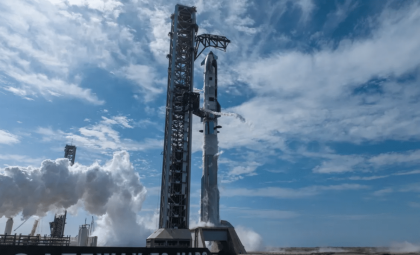
Starship plays a pivotal role in NASA's Artemis program, designed to establish a long-term human presence on the Moon. Artemis 3, launching in 2027, will feature the Orion spacecraft docking with privately-developed lunar landers, including Starship and Blue Moon. Jared Isaacman and NASA representatives witnessed the launch, emphasizing its critical importance for future lunar exploration.
“We can’t wait to see this vehicle in action because soon, we aim to rendezvous in Earth orbit,” Isaacman remarked during live coverage. "Congrats to SpaceX and Elon Musk on a tremendous Starship V3 launch. This is a big leap toward the Moon and Mars missions ahead."
Upcoming flights will focus on in-space refueling, multiple docking procedures, and executing full orbital insertions before Starship begins transporting astronauts, but Flight 12 paves the way for those ambitious steps.
- Categories:
- Space





0 comments
Sign in to Comment