
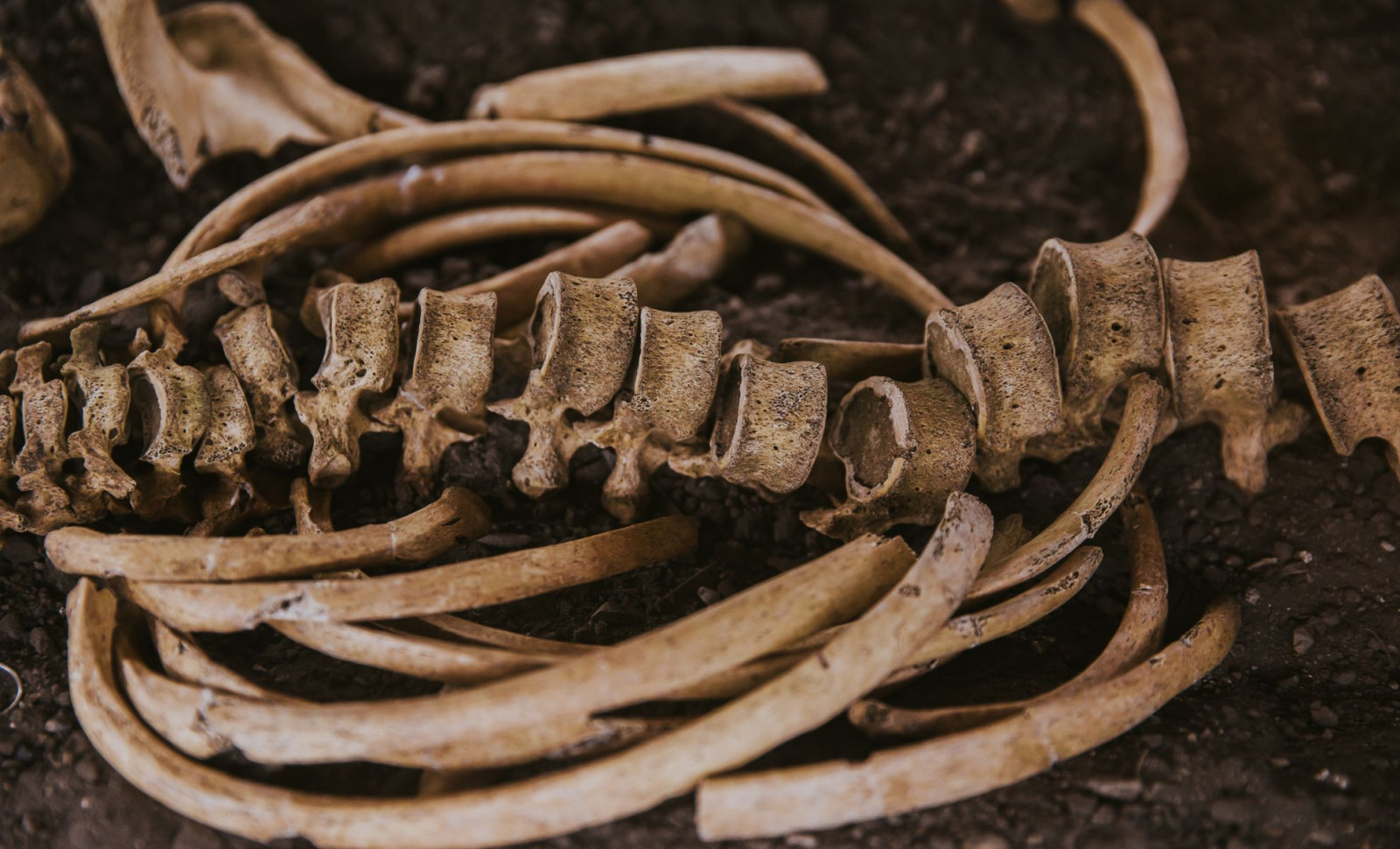
Scientists have discovered a novel application for superworms in the preparation of animal skeletons for display and research. Highlighted in a PLOS One publication, the research demonstrates that these larvae can effectively eliminate soft tissues while sidestepping many issues tied to chemical treatments and dermestid beetle colonies.
Cleaning skeletons for scientific and exhibition purposes requires precision. It is crucial to eradicate all remaining flesh without damaging intricate bone details that are crucial for both scientific analysis and public viewing. Achieving an efficient and manageable cleaning method has long posed difficulties.
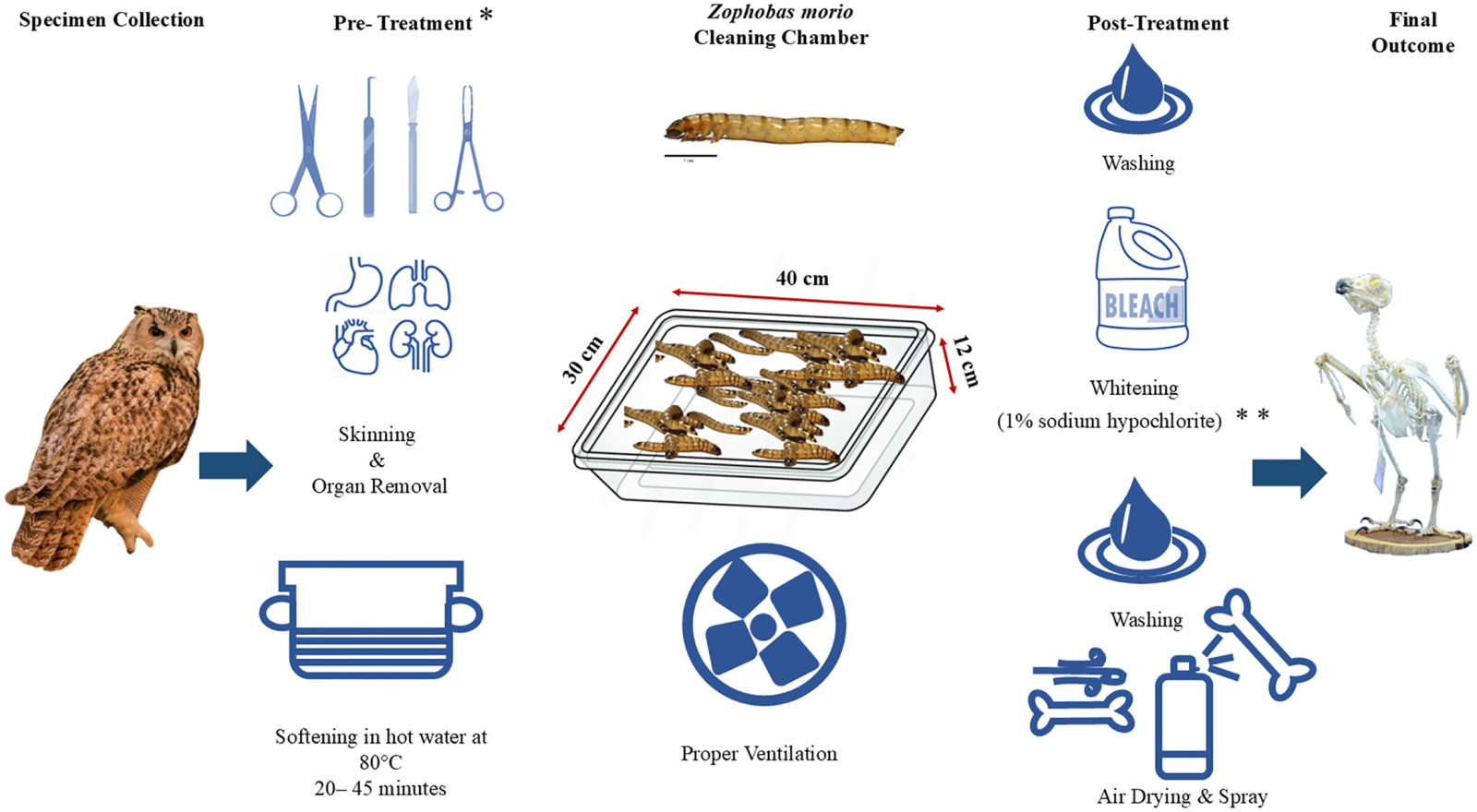
In pursuit of alternatives, researchers from Germany and Iran investigated Zophobas morio, commonly known as superworms. Their trials assessed whether these widely available larvae, often used as pet feed, could match or surpass current techniques while being easier to handle.

Skeletal Preservation in Museums
Traditionally, museums clean skeletons using enzymes or chemicals that dissolve residual soft tissue. However, the study notes these treatments can be costly and potentially damage delicate bones, which limits their application for fragile specimens.
Biological cleaning, employing dermestid beetles, is now favored by many institutions. The authors cite museums like the Natural History Museum in London and the Smithsonian National Museum of Natural History for using these insects due to their ability to remove tissue while preserving bone structures.
“Unlike traditional chemical methods or dermestid beetle colonies, this approach preserves delicate bones, is environmentally friendly, safer for museum collections by minimizing the risk of pest infestation and makes colony maintenance much easier for museums,” explained the authors.
Nonetheless, challenges arise with dermestid beetles, including escapes or unnoticed eggs that pose threats to collections. Motivated by these concerns, the team sought to determine if another insect could accomplish the same cleaning task without these drawbacks.
Superworms Clean Bones From Bats to Wolves
Superworms were selected for their non-pupating behavior in crowded environments, minimizing infestation risks, and their affordability given their mass production for pet food.
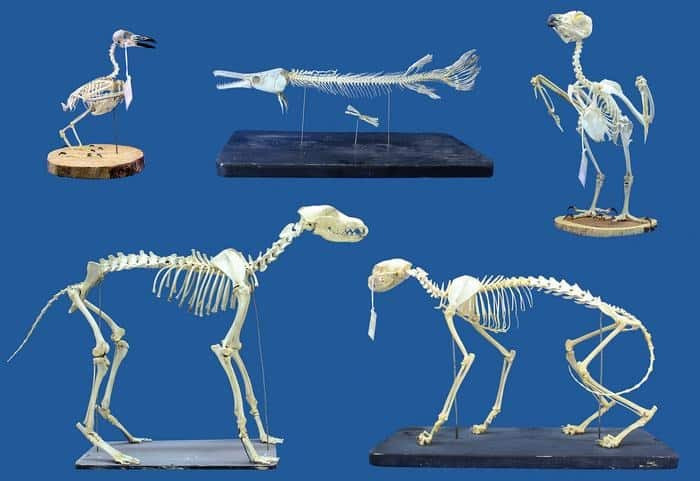
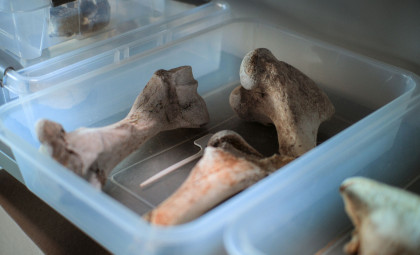
The experiments involved placing variable quantities of superworm larvae in sealed containers alongside specimens. The larvae successfully cleaned skeletons ranging from tiny Egyptian bats to large wolves, with cleaning times spanning from several hours to a few days depending on specimen size.
Niloofar Alaei Kakhki, a co-author and bioinformatician at the State Museum of Natural History Stuttgart, shared with Science magazine that:
“Superworms are really fast compared to other traditional methods, they are more environmentally friendly, and their maintenance is super easy.”
According to the team, the superworm larvae efficiently removed flesh with minimal harm to the bone specimens during their trials.
Optimizing Larvae Numbers Crucial for Effectiveness
The research highlighted the importance of controlling superworm quantities. Once the flesh was consumed, excessive larvae could begin to damage fragile bones.
By experimenting with different specimen sizes and worm populations, the authors found an ideal balance: approximately 10 to 15 grams of superworms per gram of carcass ensured thorough cleaning while minimizing skeletal damage.
The study, featured in PLOS One, concludes that superworms offer a sustainable alternative for preserving delicate bones, reducing reliance on chemicals and lowering pest risks compared to dermestid beetle colonies. Additionally, superworm colony upkeep is simpler, making them highly practical for museum preparations.
- Categories:
- Science






0 comments
Sign in to Comment