
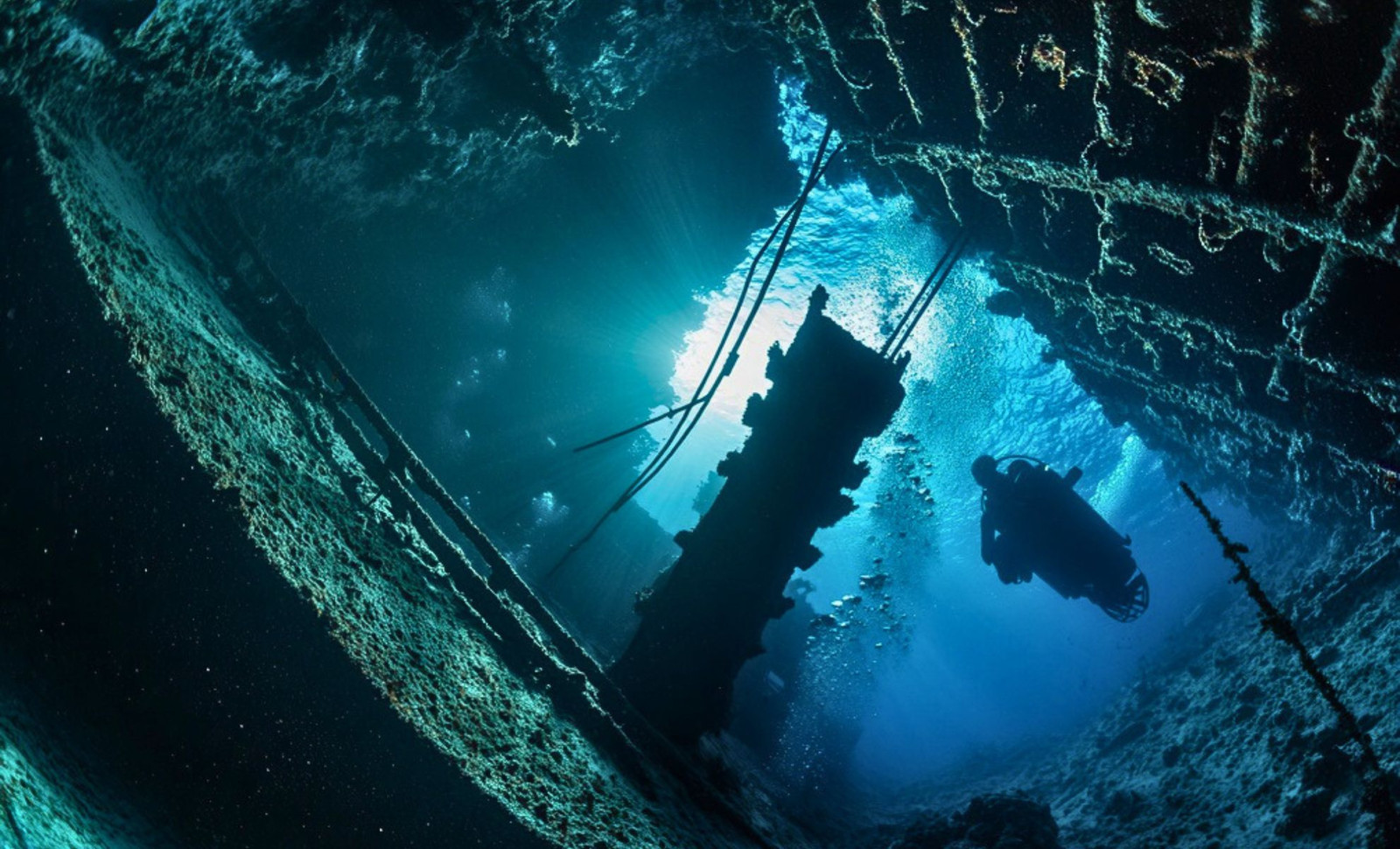
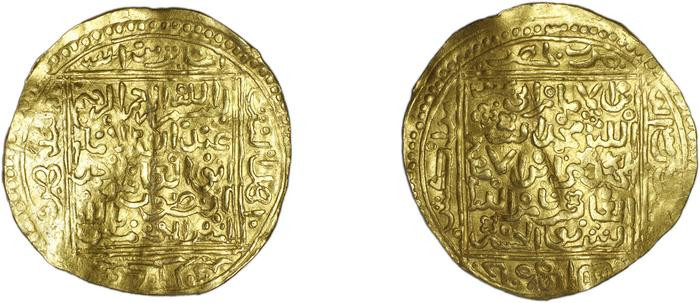
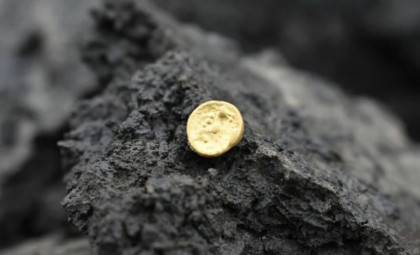
Over 400 gold coins retrieved from the seabed near Salcombe, Devon, have unlocked the identity of a long-standing maritime mystery along England’s southern shoreline. Discovered in 1995, the shipwreck has been confirmed as the Dutch merchant vessel Dom van Keulen, which sank in the fall of 1633 during a voyage from Morocco to the Netherlands.
Details of this discovery are compiled in the British Museum’s publication The Story of the Dom van Keulen and its Remarkable Cargo. The study combines archival sources with maritime relics such as coins, anchors, cannons, and various smaller artifacts recovered from the wreck site.
The assemblage of goods provides insight into 17th-century trade routes connecting Morocco, the Netherlands, and England. The ship’s load included Moroccan gold, along with commodities like gum arabic, saltpetre, and goat hides—items indicative of complex commercial exchanges spanning North Africa and northern Europe.

Gold Coins Unveil the Wreck’s Identity
For many years, the wreck remained unidentified following its initial discovery by the South West Maritime Archaeology Group. The key evidence emerged when maritime historian Ian Friel located documentation at the UK National Archives that corresponds with the site and its contents.
The records recount a voyage from Morocco heading to the Netherlands that encountered severe storms, suffered hull breaches, and ultimately sank close to Salcombe. The survival of the crew, noted in these files, helped firmly link the documents to the shipwreck, now recognized as the Dom van Keulen.
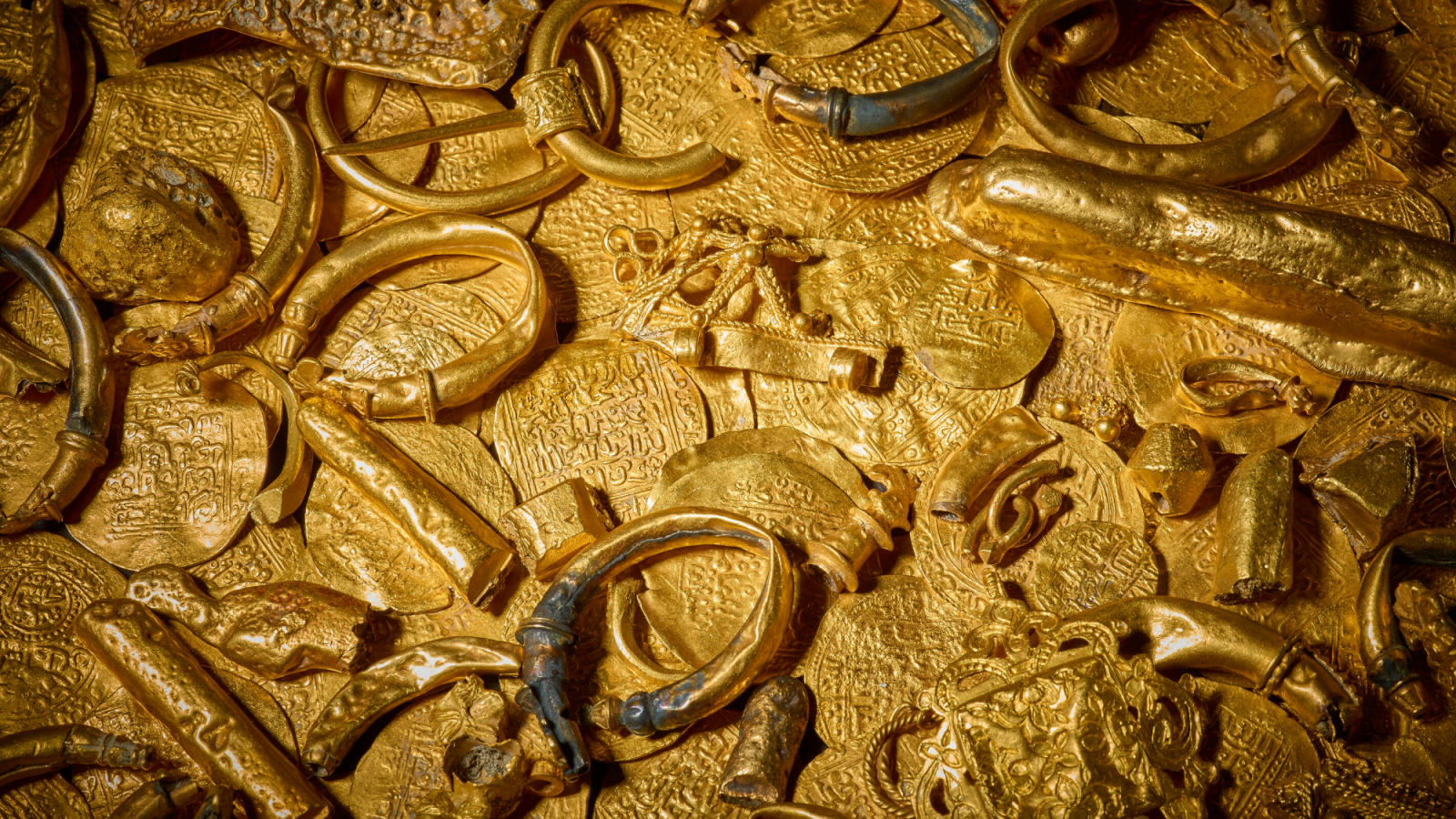
According to EurekAlert, Dave Parham, a Professor of Maritime Archaeology at Bournemouth University, stated that the ship was carrying 9,000 Barbary ducats along with other forms of Moroccan gold currency. Although most of the merchandise was probably retrieved soon after the sinking, several hundred coins remained submerged.
These coins provided essential clues beyond their financial worth—linking the wreck directly to a documented journey through their origin, quantity, and cargo context rather than remaining an anonymous 17th-century shipwreck.
Trade Networks Reflected in the Cargo
The gold coins originated from the Barbary Coast area, corresponding to modern-day Morocco. During the 16th and 17th centuries, Dutch traders exchanged European manufactured goods for West African gold, transported through North African ports.
The Dom van Keulen’s inventory reveals the diversity of such trade, comprising not only currency but also 150 sacks of gum arabic, 64 sacks of saltpetre, and 320 goat skins—each with distinct commercial significance in Europe.
This expedition fits into the broader narrative of the Dutch maritime expansion. ThoughtCo's summary on the Dutch Empire highlights how Dutch traders and enterprises established global trading networks across five continents starting in the 17th century.
Rather than a mere treasure ship, the Dom van Keulen functioned as a merchant vessel transporting a wide range of goods along an established trade corridor, linking European ports with African and larger international marketplaces.
Archaeological Insights Remain in the Wreck
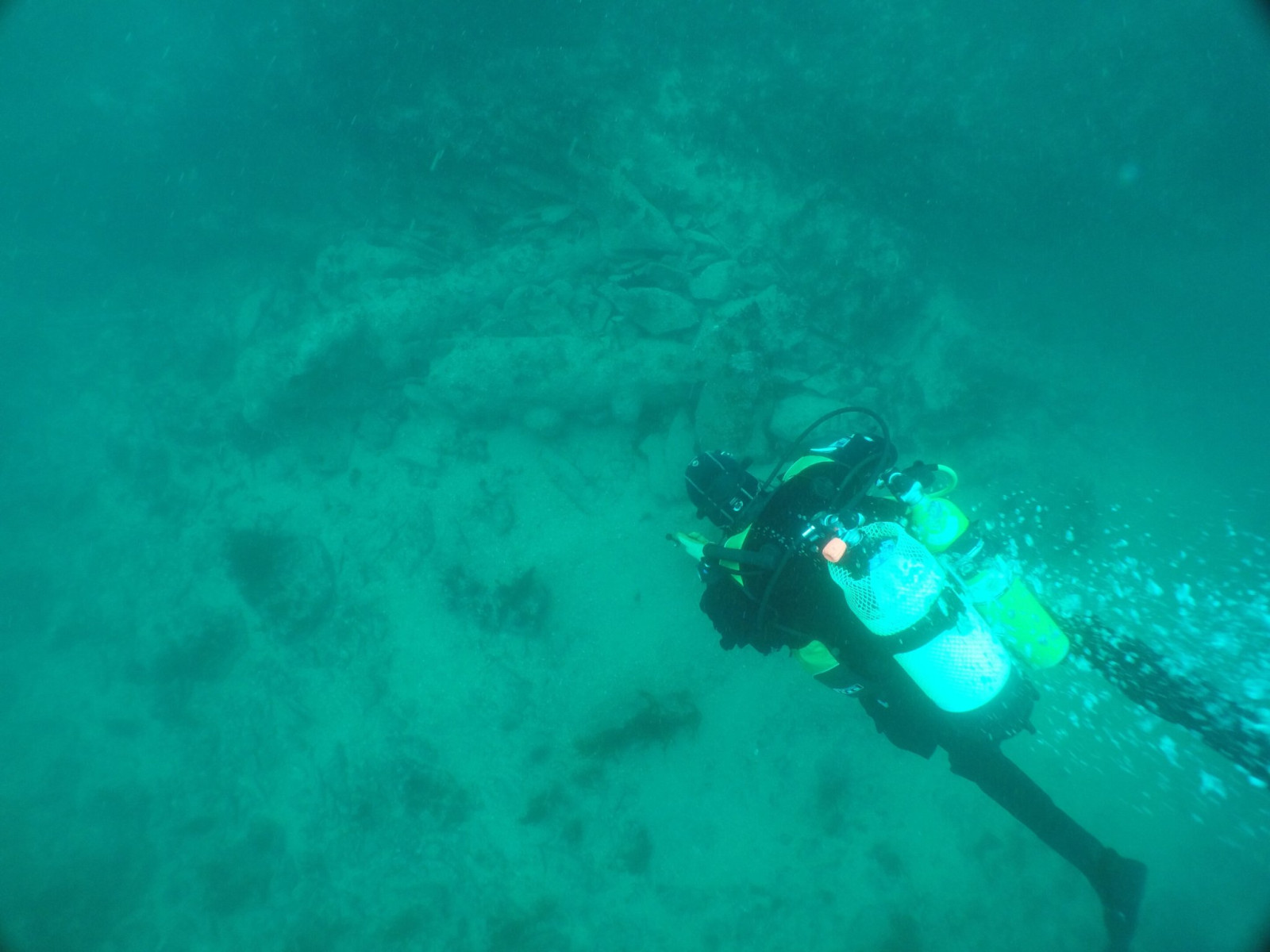
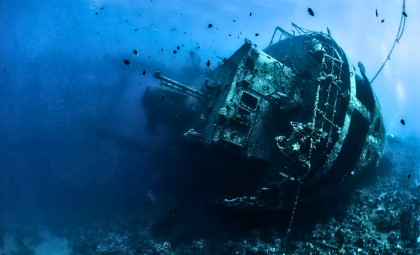
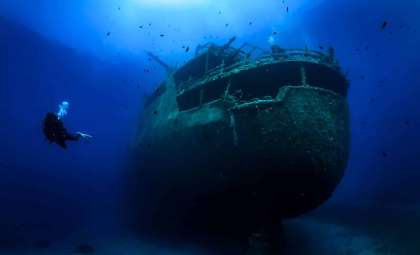
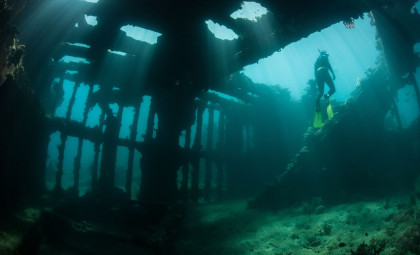
The wreck extends approximately 30 meters in length and sits at a depth of around 18 meters off the Devon coast. Many aspects of the ship’s original form and dimensions remain unknown as no artistic depictions of this vessel appear to have survived.
The seabed preserves significant artifacts such as cannons, anchors, and lesser cargo fragments, providing tangible evidence that complements the historical record.
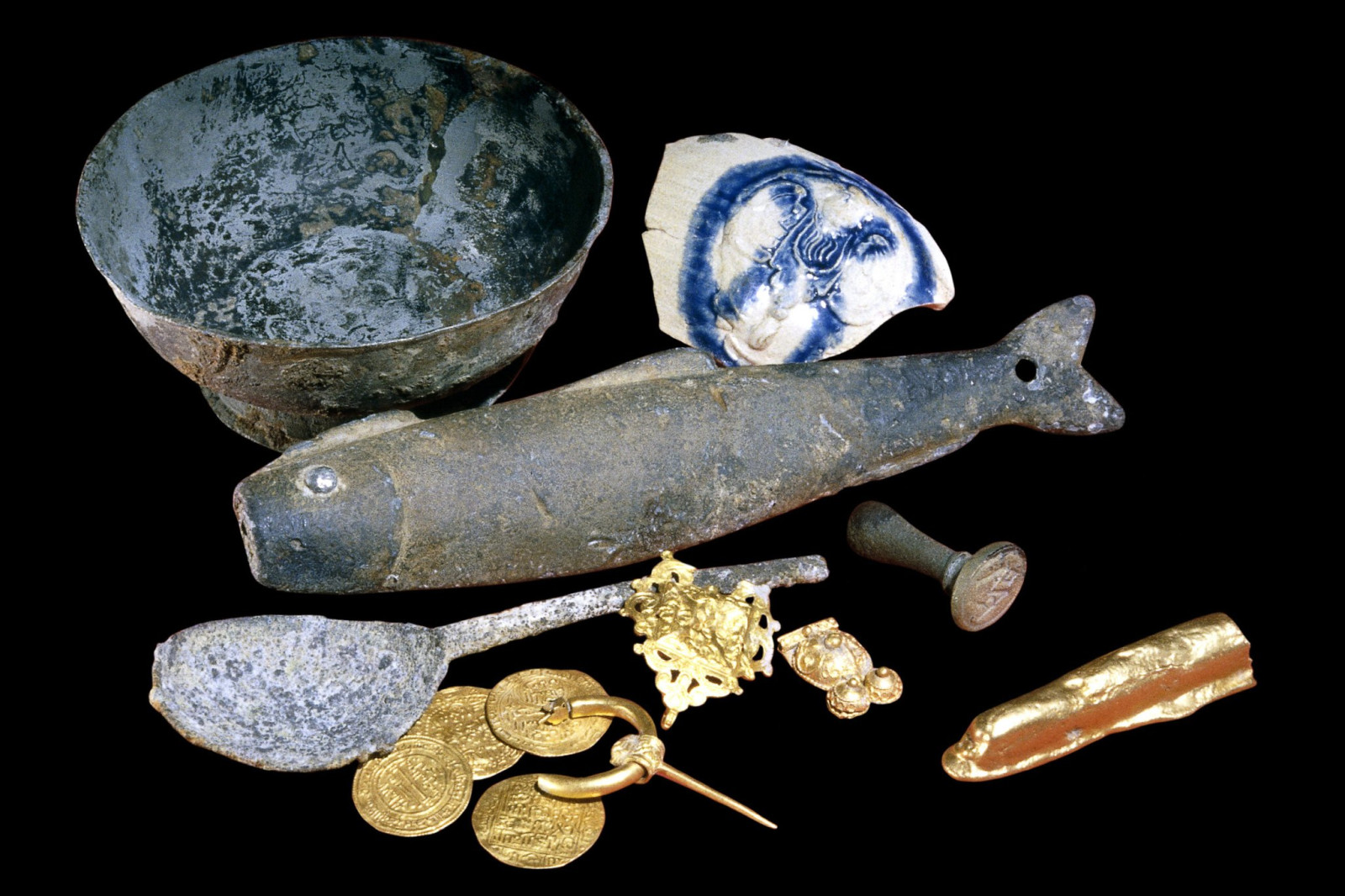
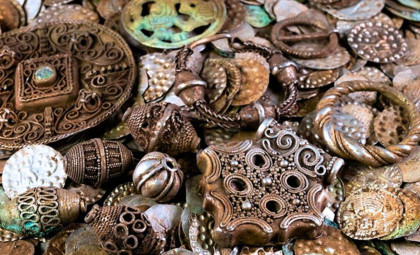
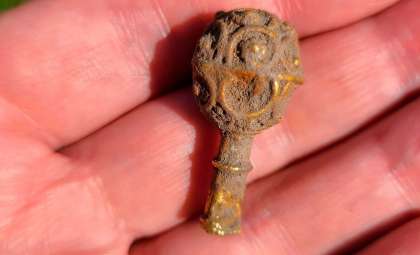
Among items now held by the British Museum are a pewter bowl and spoon, gold jewelry, a fish-shaped lead sounding weight, a stamp seal, pottery, and a gold finger nugget. These artifacts underscore the vessel’s role as a working cargo ship, beyond being a mere coin carrier.
The compelling identification arises from the congruity between archival material and physical finds. Documents specify the ship’s name and journey, while artifacts reflect what remained after sinking, salvage attempts, and centuries underwater.
Conservation of Protected Shipwreck Sites
The Dom van Keulen shipwreck is safeguarded under the Protection of Wrecks Act 1973 with oversight by Historic England. This legal status restricts diving activities to licensed individuals to prevent damage and unauthorized artifact removal.
The site is monitored by the National Coastwatch Institution at Prawle Point, and local police enforce protection through Operation Birdie, aimed at deterring interference with historic underwater cultural heritage.
Preserving the wreck’s archaeological context is vital: the position of objects, wreck dispersal, and remains post-salvage offer invaluable information. Removing finds without detailed documentation risks losing historical data crucial to unraveling the ship’s last voyage.
The Dom van Keulen enriches our understanding of a Dutch merchant ship navigating North African gold trade routes within a dynamic 17th-century global network. The connection of a named vessel, exact voyage, verified cargo, and a protected archaeological site off Devon brings a fascinating maritime chapter to light.
- Categories:
- News




0 comments
Sign in to Comment