
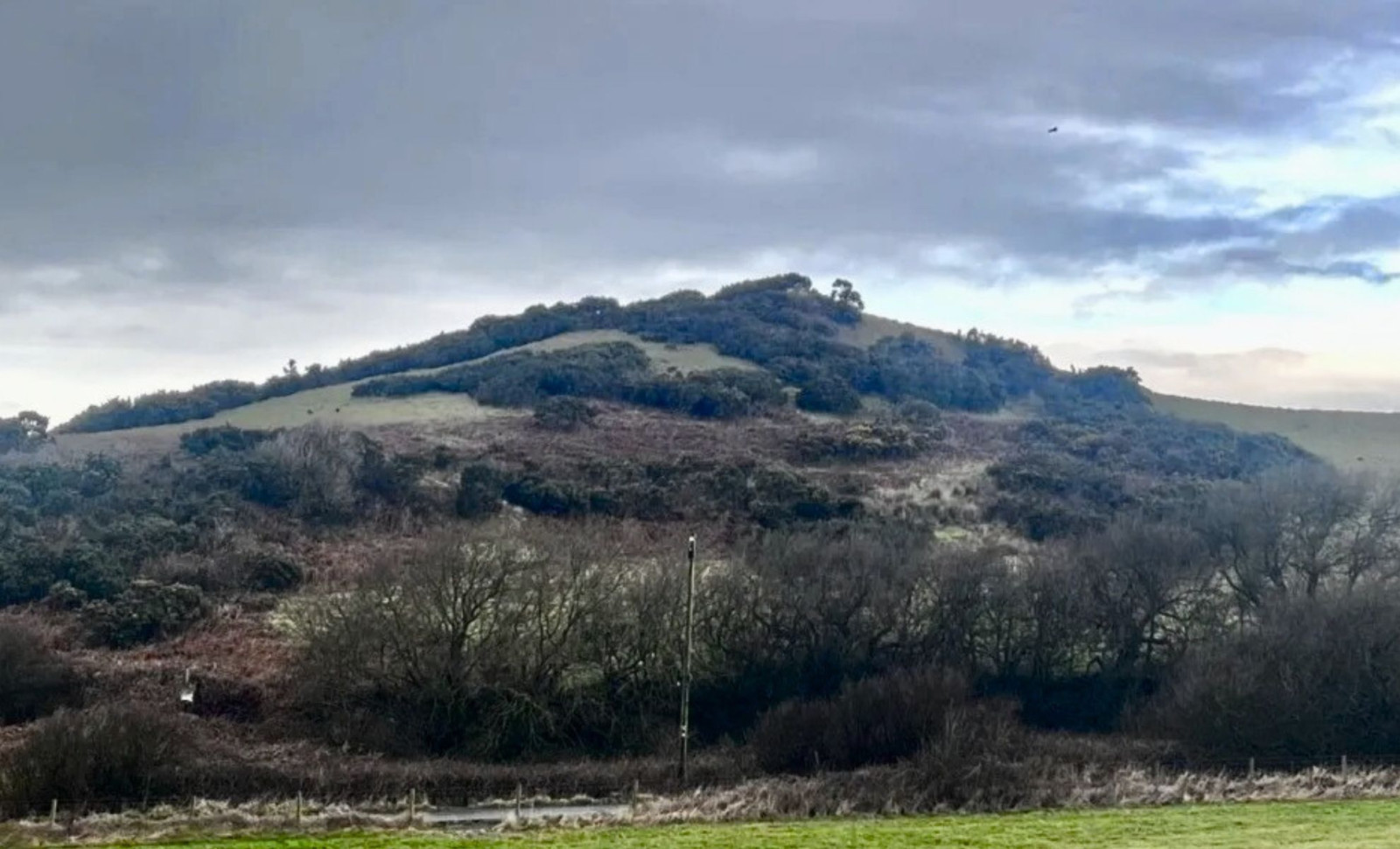
An expansive mound located along England’s northwestern shoreline might be the final resting place of Ivar the Boneless, a renowned Viking warlord from the 9th century famous for his military exploits against Anglo-Saxon kingdoms. This untouched archaeological site near the Irish Sea in Cumbria has recently attracted heightened scholarly interest due to its alignment with ancient texts and topographical clues.
The central burial mound, distinguished by its size and prominent position, matches the characteristics of privileged Viking tombs. It is encircled by a series of smaller burial sites and displays early signs of maritime trade and activities fitting the profile of elite Norse inhabitants.
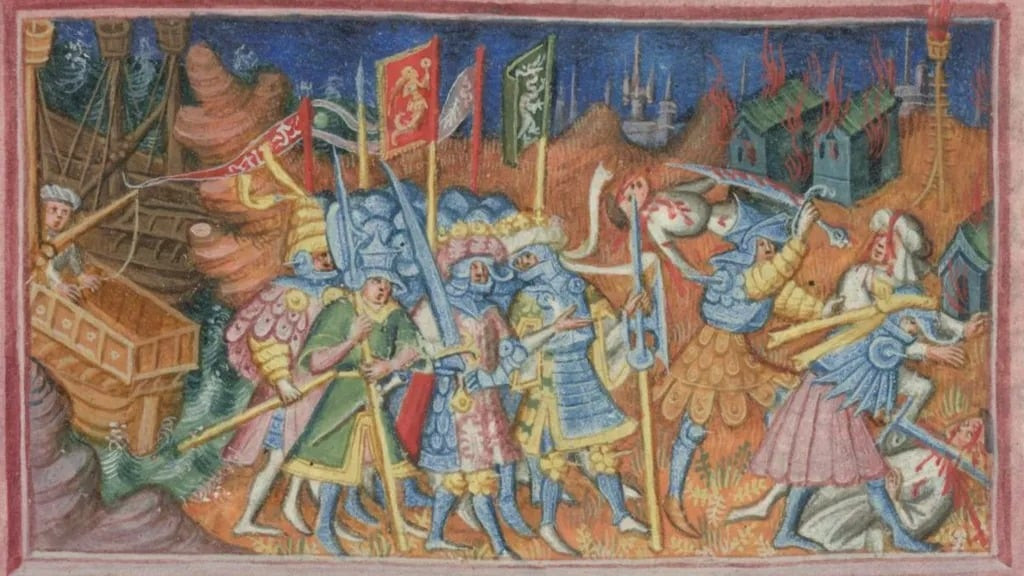
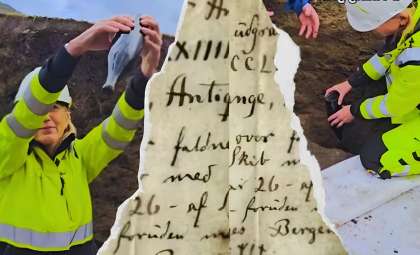
Steve Dickinson, the archaeologist who pinpointed the location through medieval document analysis combined with non-invasive surveys, suggests this could lead to the long-sought grave of Ivar. While no excavations have commenced yet, this intersection of textual sources, landscape features, and artifact findings has drawn considerable attention from Viking period experts.

Correlating Historical Texts with Landscape Features
Dickinson’s investigation connects the mound with Coningeshou—translated as “The King’s Mound”—mentioned in both Icelandic saga literature and Anglo-Saxon writings. The site spans roughly 60 meters across and rises six meters above the surrounding terrain, fitting the profile of Norse ship burials, where a ship would be interred beneath a sizeable earthen mound along with weapons and ceremonial items.
The mound’s location near the sea strengthens its connection to a figure of naval importance, as ship burials were reserved for distinguished Vikings signaling their status in life and the afterlife.

Alongside the main feature, BBC News reported that 39 smaller barrows nearby could represent tombs for close allies, relatives, or ceremonial guards. This spatial arrangement is reminiscent of high-status Norse burial grounds in Scandinavia, where proximity indicated prestige within the leader’s circle.
Artifacts Indicate Important Viking Maritime Connections
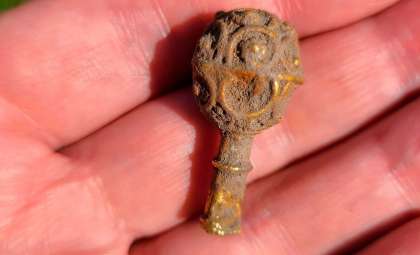
Preliminary examinations have revealed iron rivets from ships, lead weights often used for trading silver, and close proximity to a known Viking hoard, implying that the area was much more than a burial location. The presence of large rivets suggests a wooden ship may have been part of the tomb, paralleling other documented Viking ship interments.
Dickinson plans to conduct ground-penetrating radar scans soon to detect possible buried structures resembling ships or chambers, which would provide vital data before any excavation proceeds.
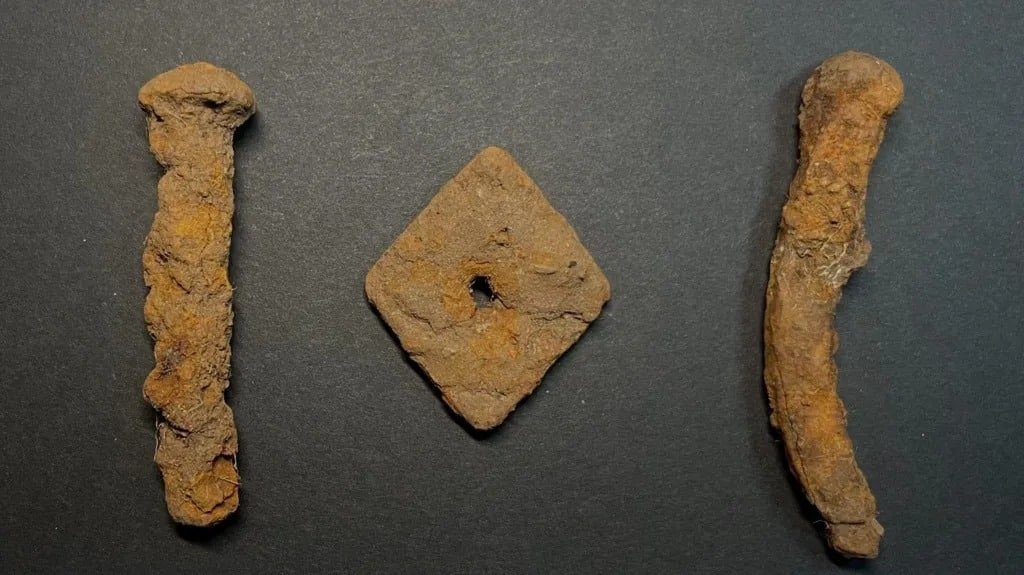
He told the BBC that the evidence lines up with historical and archaeological expectations for a royal Viking burial, noting the significant discovery of “very large ship rivets” and silver trade weights nearby as indicators of a site rich in cultural significance and material wealth.
Ivar the Boneless: Between Legend and History
Ivar Ragnarsson, famously called Ivar the Boneless, led the Great Heathen Army, an alliance of Viking invaders who began their assault on England in 865 CE. His military efforts included capturing York and establishing a Norse dynasty in Dublin.
The meaning behind his nickname remains uncertain. Medieval Norse writings refer to him as beinlausi, which can mean “boneless,” potentially alluding to a medical condition, a distinctive combat technique, or metaphorical significance. Confirming this would require identification and study of his physical remains.
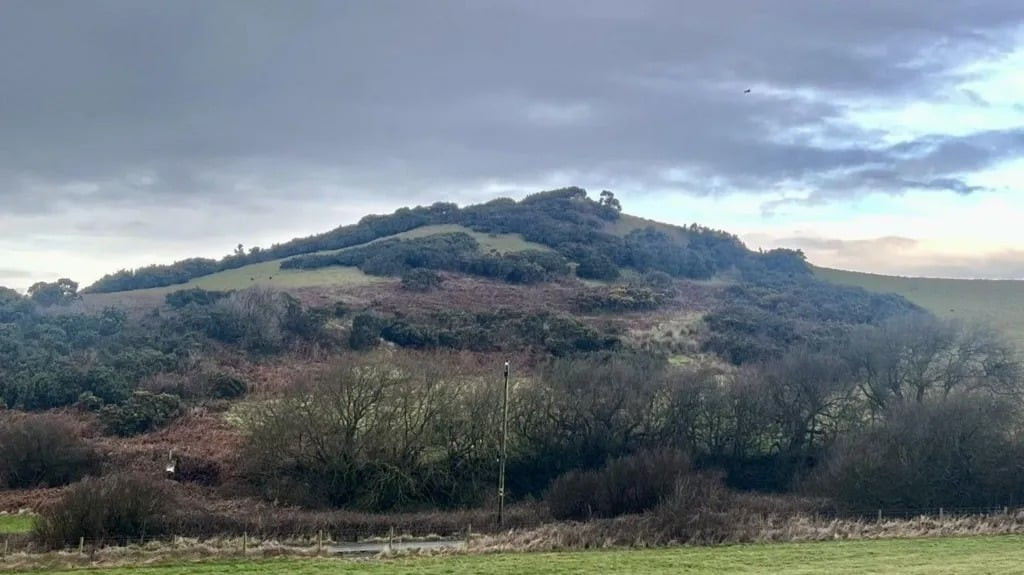
Previously, efforts concentrated on Repton, Derbyshire, where a Viking mass burial site was found in the 1980s. Though the dating matched Ivar’s era, no conclusive evidence linked it directly to him.
Dickinson shifted his search westward after numerous saga references to Coningeshou and matching landscape features in Cumbria, forming the basis of his current theory.
Potential Transformations for Viking Research in Britain
Should this Cumbria mound prove to be a Viking ship burial, it would represent the first confirmed site of its kind in the UK. While Sutton Hoo in Suffolk is renowned for its Anglo-Saxon ship burial, similar Viking monuments have been notably absent despite extensive records of Norse presence.
Such a finding would reinforce the idea that the Irish Sea’s western shore was a key operational base for Viking forces during the 9th century and could steer future research focus away from the well-examined Danelaw territories of eastern England.
In burial classification, this site would join fewer than twenty known Viking ship graves across northwest Europe, rare and invaluable for understanding Norse ceremonial customs and leadership remembrance.
- Categories:
- News









0 comments
Sign in to Comment