
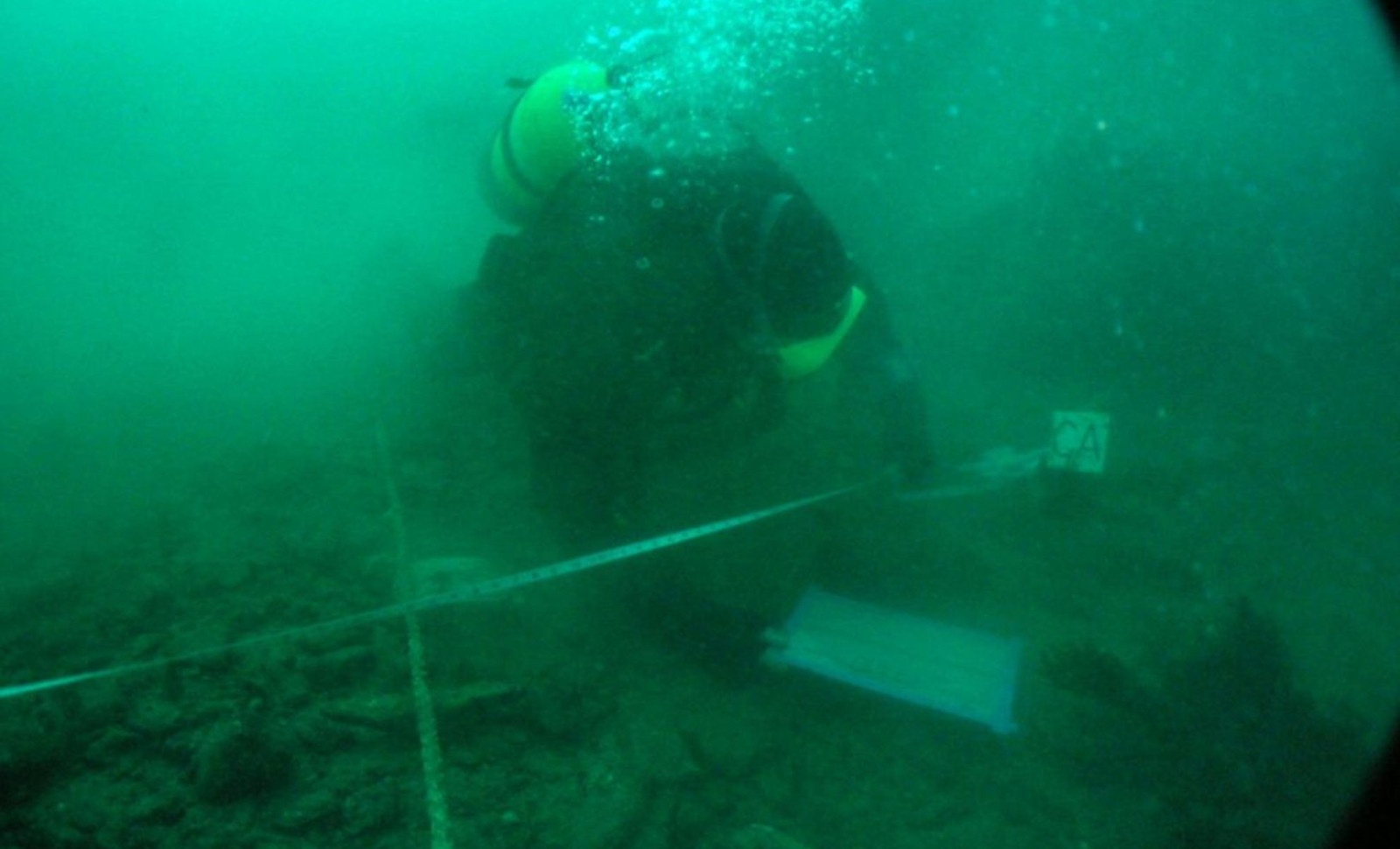
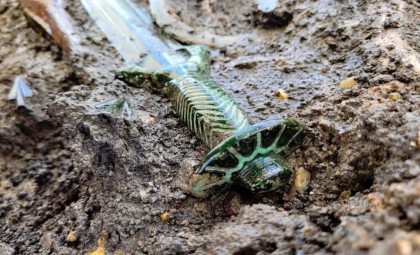
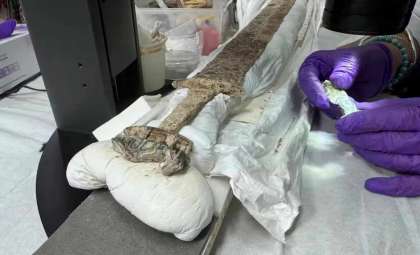
Diving teams have uncovered a bronze sword dating back 3,000 years from the seabed off the coast of south Devon, shedding light on Britain's ancient history. This exceptional artifact was uncovered within the Salcombe Cannon and Moor Sand Protected Wreck Sites as part of an underwater archaeology project.
The find was made by volunteers of the South West Maritime Archaeological Group during a survey supported by Historic England. This discovery contributes to an expanding trove of Bronze Age relics retrieved from the area, recognized as a key underwater archaeological location in the UK.
Divers Becky Gill and Catherine Gill located the sword while investigating the protected wreck sites. Experts date the weapon to between roughly 1300 BC and 800 BC, situated in the Middle to Late Bronze Age. Despite some corrosion from centuries submerged, the sword remains a remarkably rare and significant object.

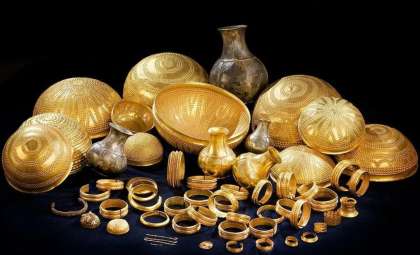
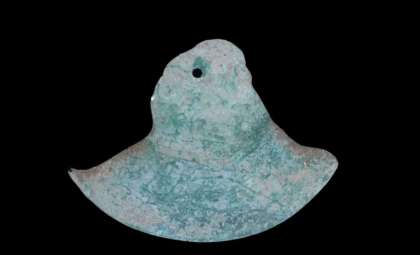
This recent find complements an extensive assortment of prehistoric artifacts discovered near Salcombe. According to the South West Maritime Archaeological Group, earlier items retrieved include Bronze Age swords, axe heads, a gold bracelet, gold bars, and well over 400 gold artifacts believed to be associated with one or potentially two Bronze Age shipwrecks.
Reviving the Bronze Age Through a Rare Sword
For the divers involved, retrieving the sword was a truly unforgettable experience. Becky Gill described the find as one of the highlights of her diving career.
“A child at Christmas does not come close to the excitement of finding this sword,” she said after the recovery.
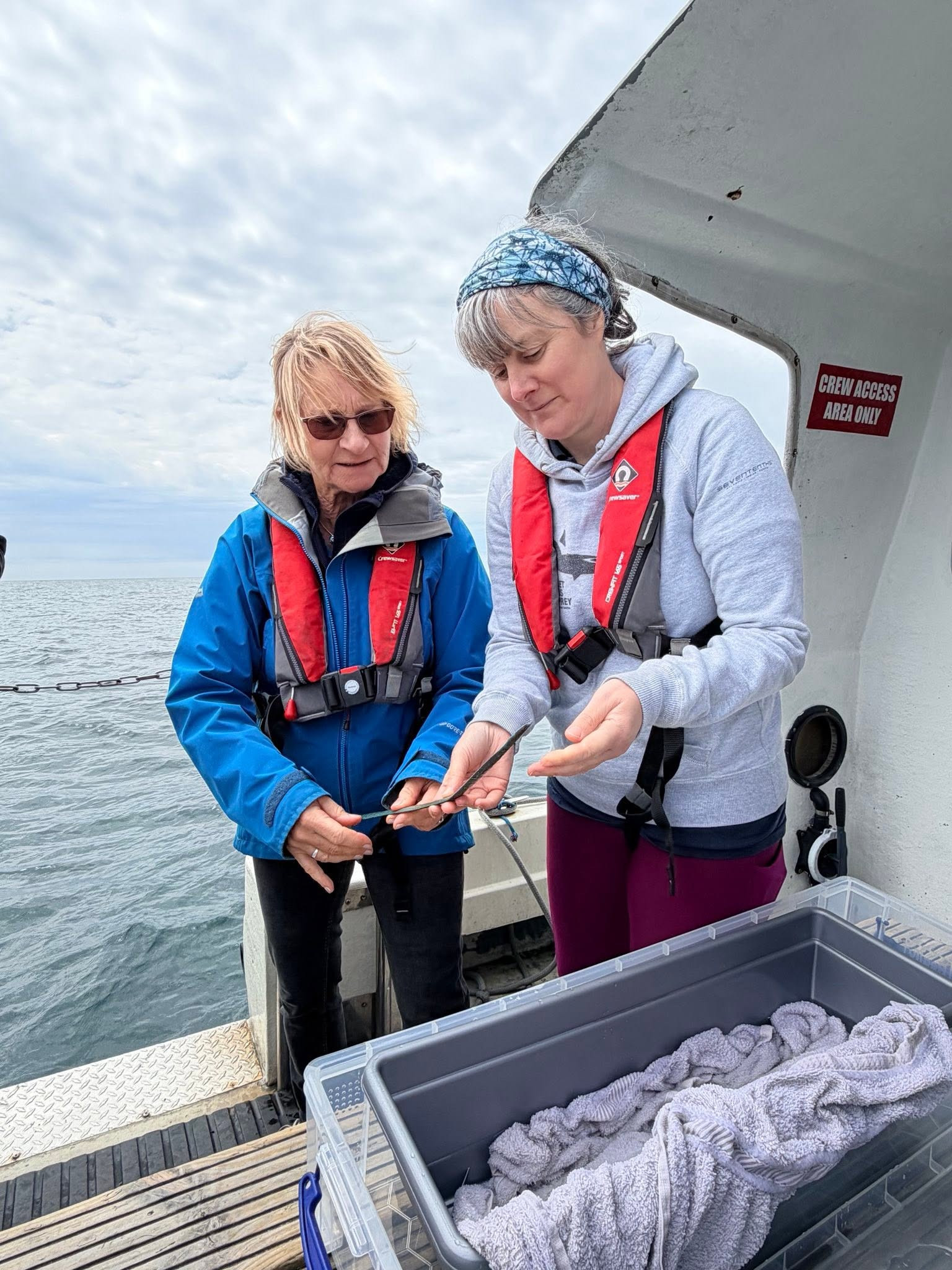
Catherine Gill also shared her awe at recovering such an ancient item after nearly three millennia underwater.
“It is an amazing thrill to recover an object from beneath the sea that turns out to be a Bronze Age sword. It makes you wonder who made it, who intended to use it, and who was the last person to hold it before us nearly 3,000 years ago,” she said.
Though the sword does not disclose who owned it or how it sank, it offers researchers valuable insight into the lives of people from the Bronze Age, illustrating the craftsmanship and tools used by coastal communities during this era.
Unearthing an Ancient Trade Route Beneath Salcombe
The announcement, made by the South West Maritime Archaeological Group, highlights the increasing importance of Salcombe for understanding Bronze Age society. Numerous underwater explorations have revealed a rich cache of artifacts beneath the seabed.
The volume and diversity of finds indicate that this location was once part of a larger maritime network, connecting communities around Britain’s coasts and across the English Channel through trade and transit.
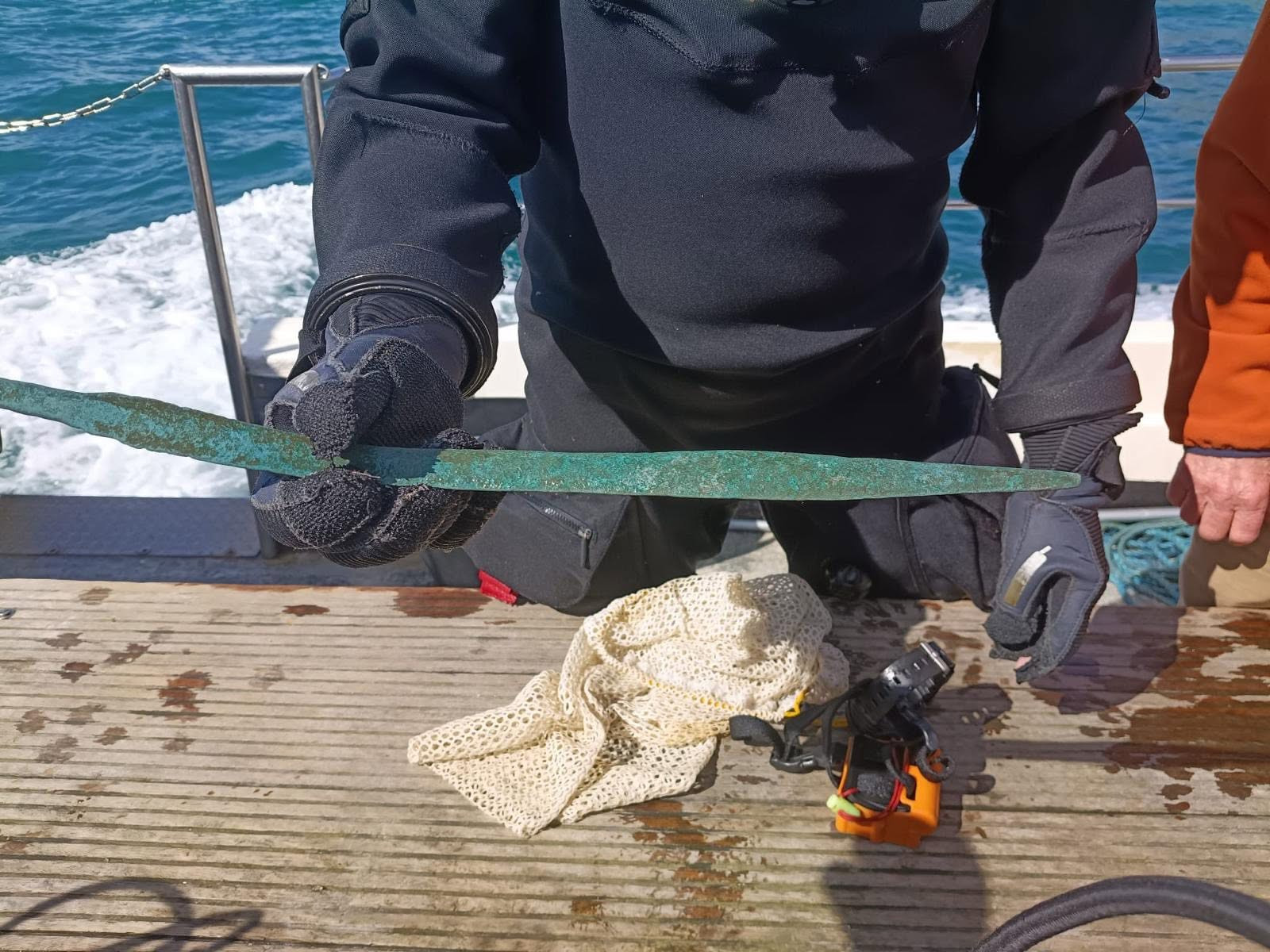
Neil Wilkin, curator at the British Museum, praised the sword as “a wonderful and important addition” to the Salcombe narrative. He noted the find could deepen understanding of Bronze Age maritime activities, such as navigation, commerce, and population movements along the UK coastline.
Earlier discoveries of gold artifacts and weaponry at the site have already transformed perceptions of prehistoric life here, with this newly recovered sword adding further depth to the story.
Preserving a Millennia-Old Blade
After its retrieval from the ocean, the sword was taken to specialists for conservation. Experts will work to preserve the metal and prevent further deterioration before deeper examination.
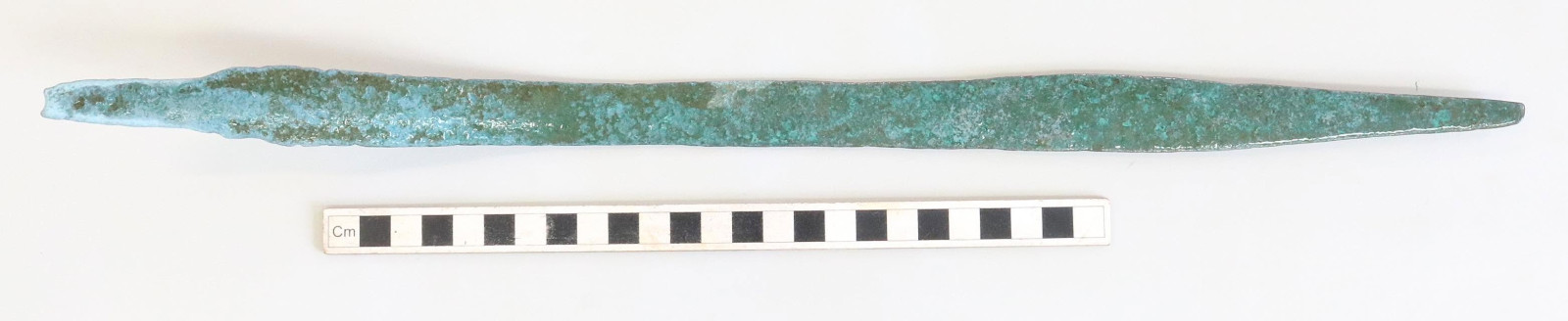
Following conservation, the sword is slated to join the British Museum, where it will undergo comprehensive scientific study before being displayed in the national archaeological collection.
This discovery underscores the enduring secrets held beneath the waters of south Devon. Ongoing underwater explorations at the Salcombe Cannon and Moor Sand Protected Wreck Sites continue to unravel Britain’s Bronze Age maritime heritage.
- Categories:
- Science




0 comments
Sign in to Comment