
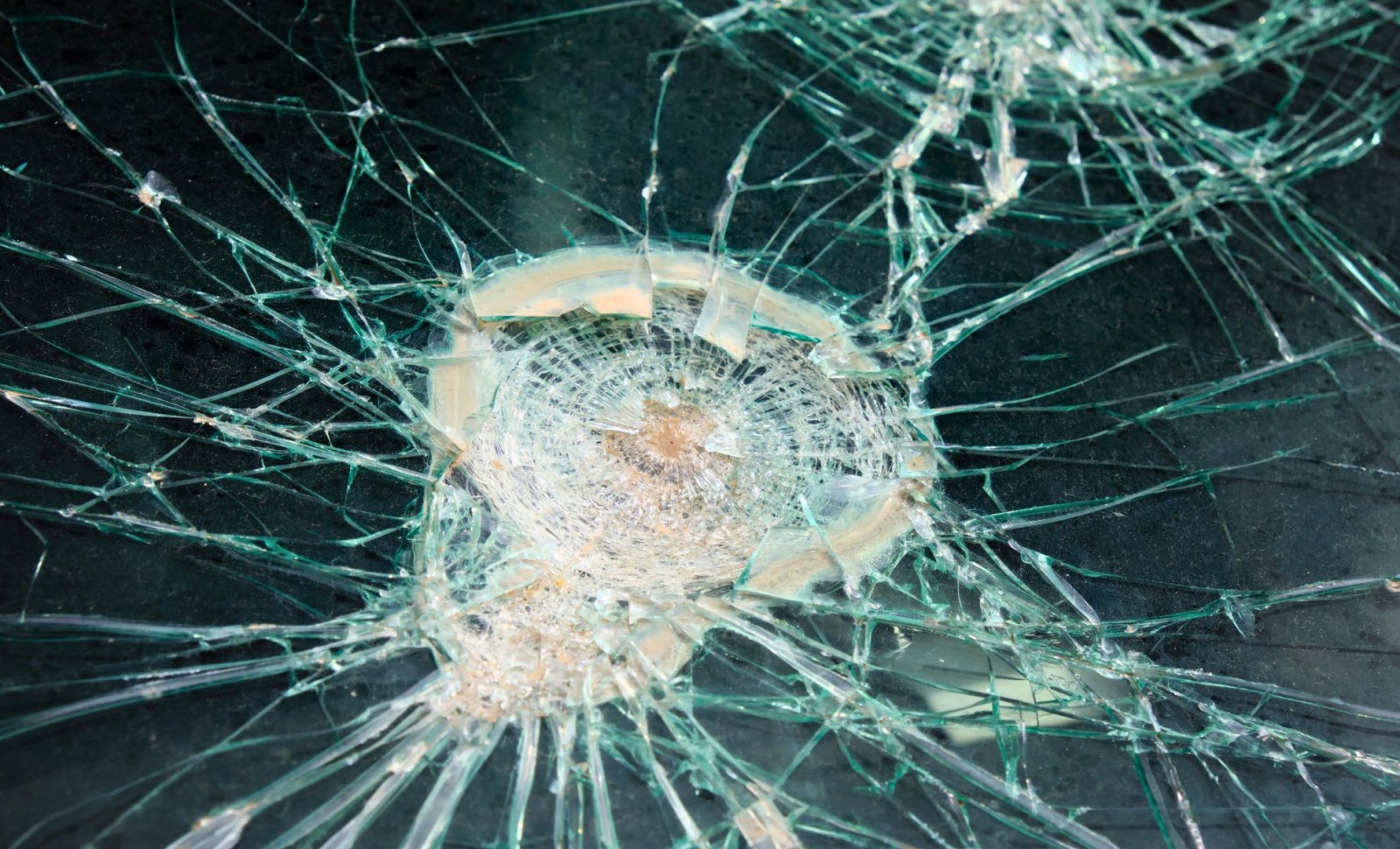
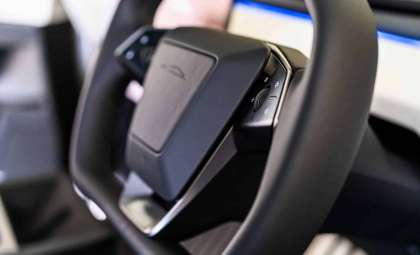
A startling bang, shards of glass filling the air, and the acrid scent of burnt plastic startled Andrew Melville-Smith while driving his Tesla Model Y along a highway in South Australia. Researchers are now probing whether this remarkable event could be the first documented instance of a meteorite striking a moving vehicle.
The episode took place on October 19 near Port Germein, perplexing investigators and triggering a formal inquiry by the South Australian Museum, drawing curiosity from around the world. The central mystery remains: did a meteorite cause this, or was it an entirely different phenomenon?
Sudden Strike Without Clear Cause
Andrew Melville-Smith, a veterinarian from Whyalla, was driving late at night with his Teslaon autopilot when an overwhelming noise shattered the stillness.

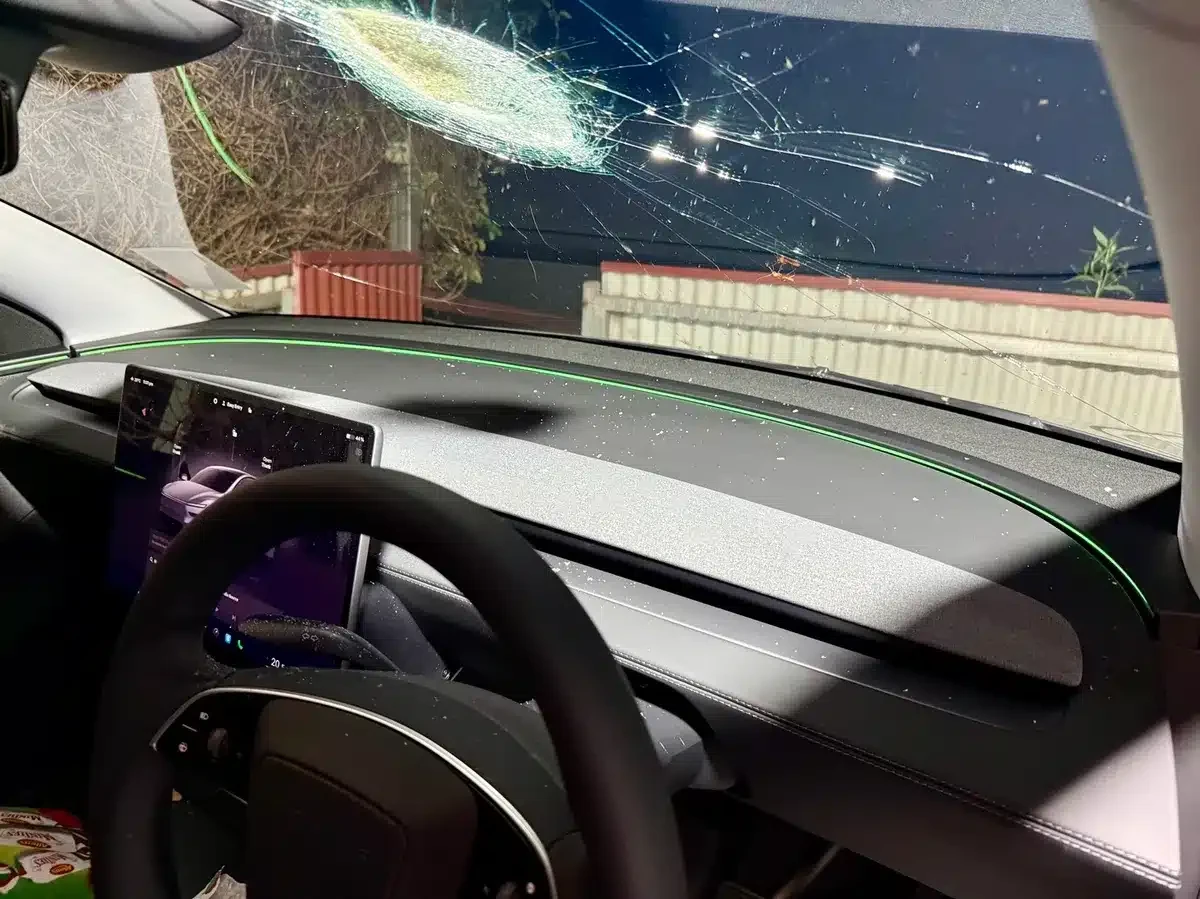
“Glass went flying inside the car, there was white smoke everywhere, and we could smell burning. My wife thought the car was on fire,” he told ABC News.
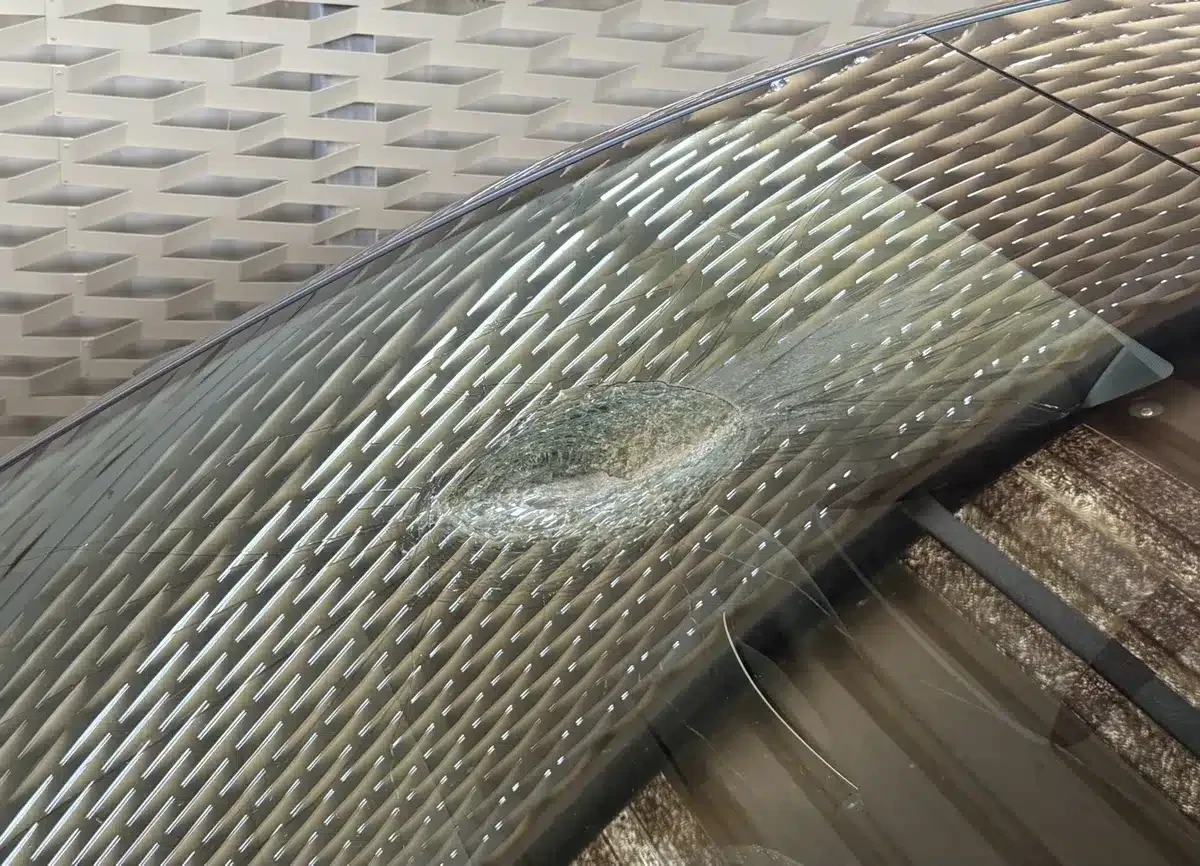
No animals appeared on the road, no gunfire was involved, and notably, no typical fragments were found. Damage was confined to the windscreen, which showed signs of intense heat and crater-like deformation, rather than cracking.
Could It Be a Space Rock?
IFLScience reports that local mechanics were unable to explain the melted windscreen after Melville-Smith brought in the car. One noted that windshields don’t melt unless exposed to temperatures exceeding 1,500°C (2,732°F). He was mystified by what could have generated such heat, especially since the glass remained warm hours later.
Subsequently, the South Australian Museum got involved. Initially skeptical, assistant mineralogy curator Kieran Meaney admitted most similar claims turn out to be mundane. However, after reviewing the evidence, his stance shifted.
“The really unusual thing is that the glass of his windscreen has actually melted a little bit,” Meaney told ABC News. “That’s the key thing I can’t find a good explanation for.”
Meaney noted that completing the analysis might take several weeks or months. While space debris is still under consideration, the meteorite hypothesis currently leads the investigation.
Experts Offer Alternative Perspectives
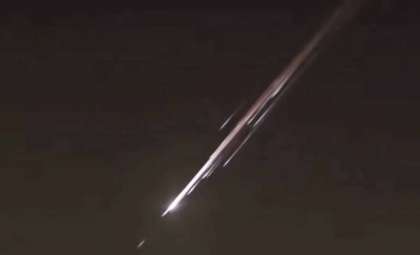
Professor Jonti Horner, astrophysicist at the University of Southern Queensland, expressed skepticism. He pointed out the absence of reported fireball sightings, which would be expected if a meteorite hot enough to melt glass had passed by. Such an event should have illuminated the sky “at least as bright as a full moon,” but none were recorded despite clear weather.
Horner also highlighted a commonly misunderstood fact:
“They’ve had a fleeting few seconds of being heated up as they pass through the atmosphere,” he explained to ABC News, “but they’ve spent billions of years at cold space temperatures.”
Meanwhile, Dr Ellie Sansom noted that debris from decaying satellites can re-enter the atmosphere at high temperatures and has previously caused small incidents across Australia.
Autopilot Maintains Course Amid Unusual Event
Bizarre as the episode sounds, the Tesla’s automated driving system may have averted disaster.
“The car was driving along and unconcerned… it wasn’t aware of the chaos that was going on in the cabin,” explained Melville-Smith. Even with the sudden explosion, the vehicle stayed on course without swerving.
Looking back, Melville-Smith believes that a conventional car driver might have lost control due to shock. He’s willing to provide the damaged windscreen to the South Australian Museum for further study if it can be removed intact.
- Categories:
- News


0 comments
Sign in to Comment