
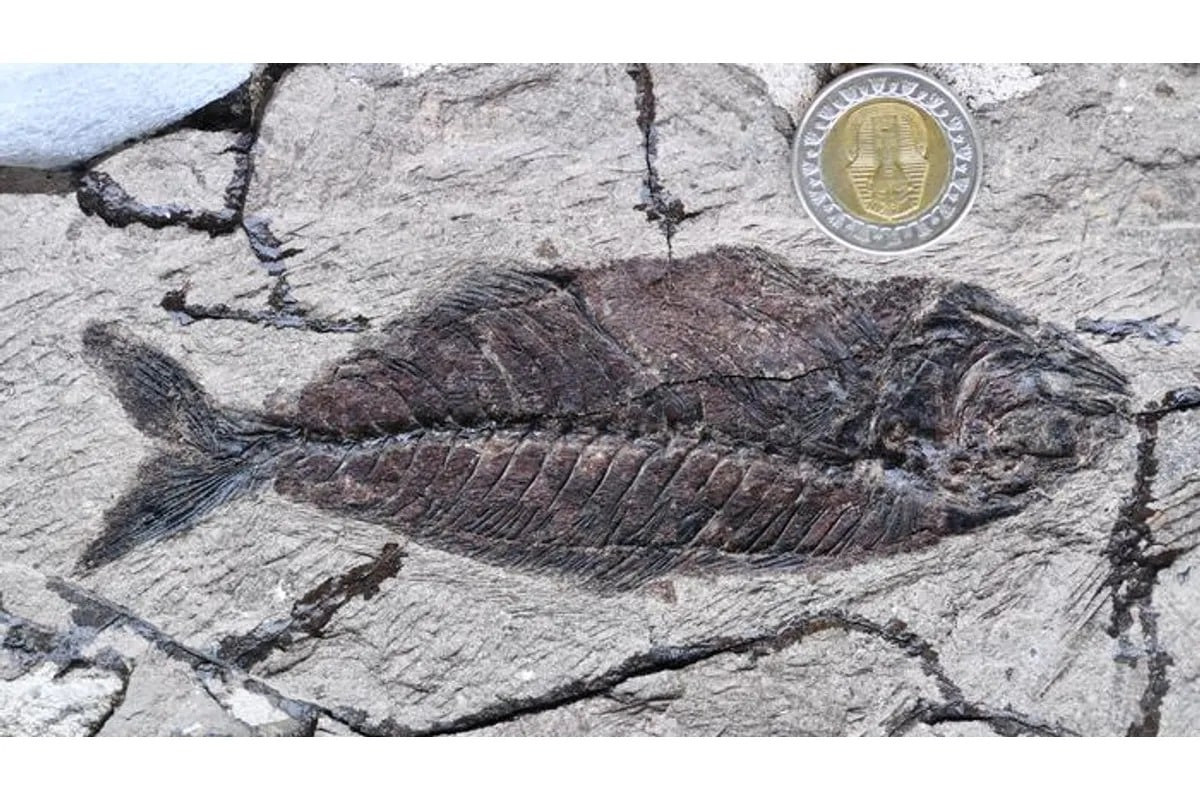
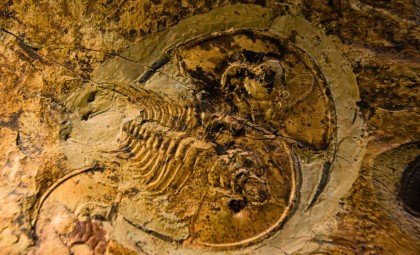
Researchers in Egypt have uncovered an incredible fossil site featuring almost 500 impeccably preserved fish. Named Qreiya 3, this discovery sheds light on which fish species endured the mass extinction event and offers clues about the early formation of today's marine ecosystems.
The fossils, estimated to be around 62.2 million years old, represent more than 20 species of ray-finned fish spanning nine distinct groups. National Geographic Explorer and Mansoura University paleontologist, Sanaa El-Sayed, explained that the exceptional preservation made it clear that they had stumbled upon a landmark site. Published in Science Advances, this research opens a rare window into early Paleocene seas—an era poorly represented in the fossil record until now.
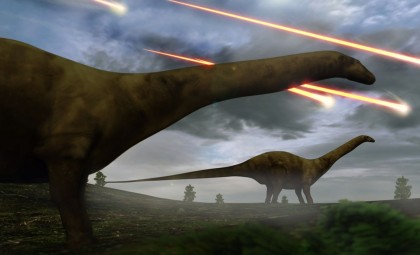
Deciphering how marine ecosystems recovered following the Cretaceous-Paleogene extinction has been challenging. While terrestrial fossils document the rise of mammals, birds, and plants, the rebound of ocean life remained elusive. Hesham Sallam, a co-author also from Mansoura University, states that Qreiya 3 not only identifies survivors but also reveals which fish quickly diversified to occupy newly available ecological roles.

Percomorphs Take Center Stage in Early Post-Extinction Seas
A key finding at Qreiya 3 is the prominence of percomorph fishes, a group that today includes species such as tunas, seahorses, and anglerfish. According to Sanaa El-Sayed, these fishes were present before the extinction event but were relatively rare.
“Qreiya 3 provides one of the clearest views yet of how modern marine ecosystems emerged,” adding that the location “reveals that many fish groups important in today’s oceans were present only four million years after the extinction of the dinosaurs,” said Hesham Sallam.
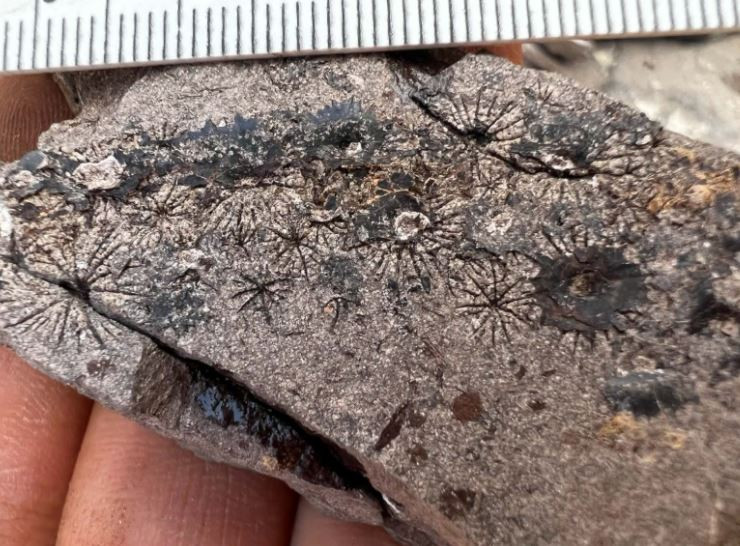
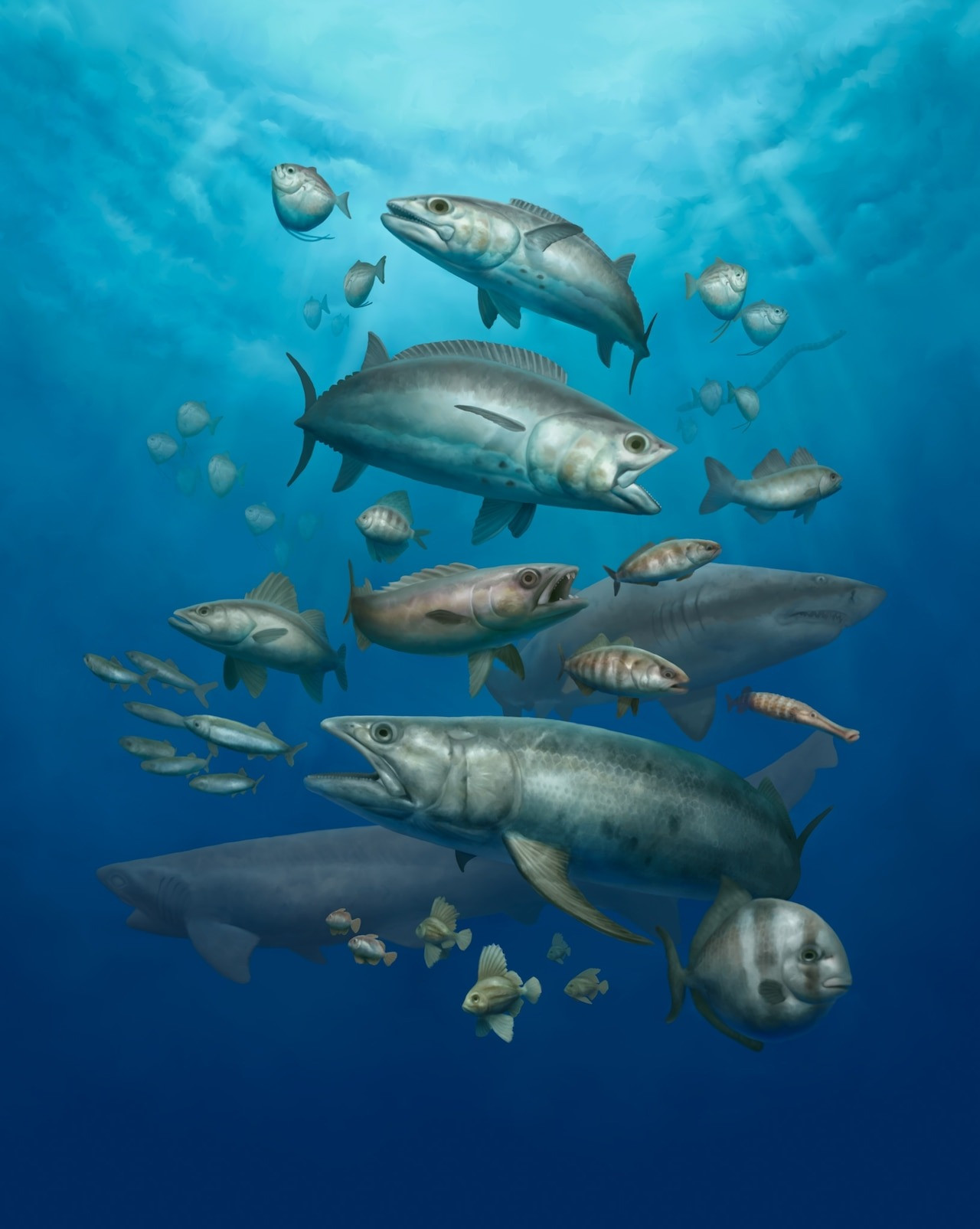
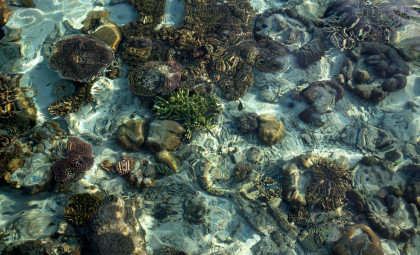
In the Qreiya 3 assemblage, percomorphs are abundant, signaling a major diversification event as these fishes adapted to new environments and feeding strategies. The site’s fossils include both minuscule reef inhabitants and needle-toothed hunters, illustrating an early array of survival tactics.
A standout discovery is a predatory percomorph linked to today’s tuna and mackerel species. El-Sayed noted that its distinctive teeth confirm it as the oldest known member of this group of agile swimmers. These fossils also help bridge a previously puzzling 10-million-year hiatus in the bony fish evolutionary timeline known as the Patterson Gap, named after paleontologist Colin Patterson.
Uneven Marine Recovery Following Mass Extinction
Despite the robust fish communities at Qreiya 3, the resurgence of ocean life was far from uniform worldwide. The study shows that some regions retained older fish lineages longer, whereas tropical areas rapidly assembled fish populations resembling modern marine biodiversity. This patchy recovery reflects how ecosystems respond unevenly after global catastrophes.
Elizabeth Sibert, a paleontologist from Woods Hole Oceanographic Institution not involved in the research, commented:
the site is exciting because it provides “fossil evidence for fish communities during what was a critical time.” She added that the site gives scientists something solid to study during a period that was largely missing from the record.
Mirroring Evolution on Land and Sea
The surge in percomorph fish parallels the post-extinction expansion seen on land. El-Sayed highlights that, much like the explosive diversification of tiny placental mammals and beaked birds, certain fish groups thrived in the vacant niches left by the mass extinction.
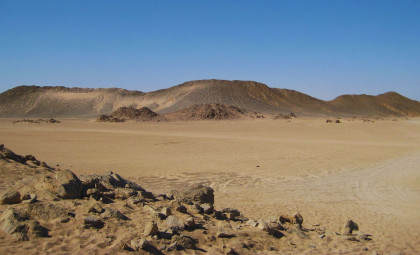
This early diversification set the foundation for the complex ecosystems found in contemporary oceans and terrestrial habitats. Excavation efforts at Qreiya 3 continue, and Sallam emphasized that the fossils currently analyzed represent just a fragment of the site’s riches, suggesting many more groundbreaking discoveries lie beneath the desert sands.
“What we are publishing now is only the beginning of the story,” said Sallam. “This study is an initial synthesis from a much broader research effort. Many important specimens are still under preparation and study, and we expect this site to continue transforming our understanding of how modern marine fish faunas became established in the wake of the K–Pg extinction.”
- Categories:
- Science



0 comments
Sign in to Comment