
When the atomic explosions devastated Hiroshima and Nagasaki in 1945, the scale of destruction was vast. However, remarkably, certain trees in Hiroshima withstood the massive blast and began to regenerate shortly afterward. Researchers are now investigating the reasons behind the endurance of these towering survivors, known as hibakujumoku or “A-bombed trees.”
The conditions following the bombings were extraordinarily harsh, with temperatures soaring beyond 3,000°C and lethal radiation levels. Against these odds, species like the Ginkgo biloba and Japanese hackberry exhibited unexpected regrowth. Scientists are probing how these trees survived what many believed would require decades of recovery.
Recent findings published in Progress in Biophysics and Molecular Biology indicate that the trees’ survival hinges not on evolutionary adaptation over time, as seen in radiation-affected areas like Chernobyl, but on inherent survival traits they possessed prior to the blasts.

Hiroshima’s Trees That Withstood the Nuclear Devastation
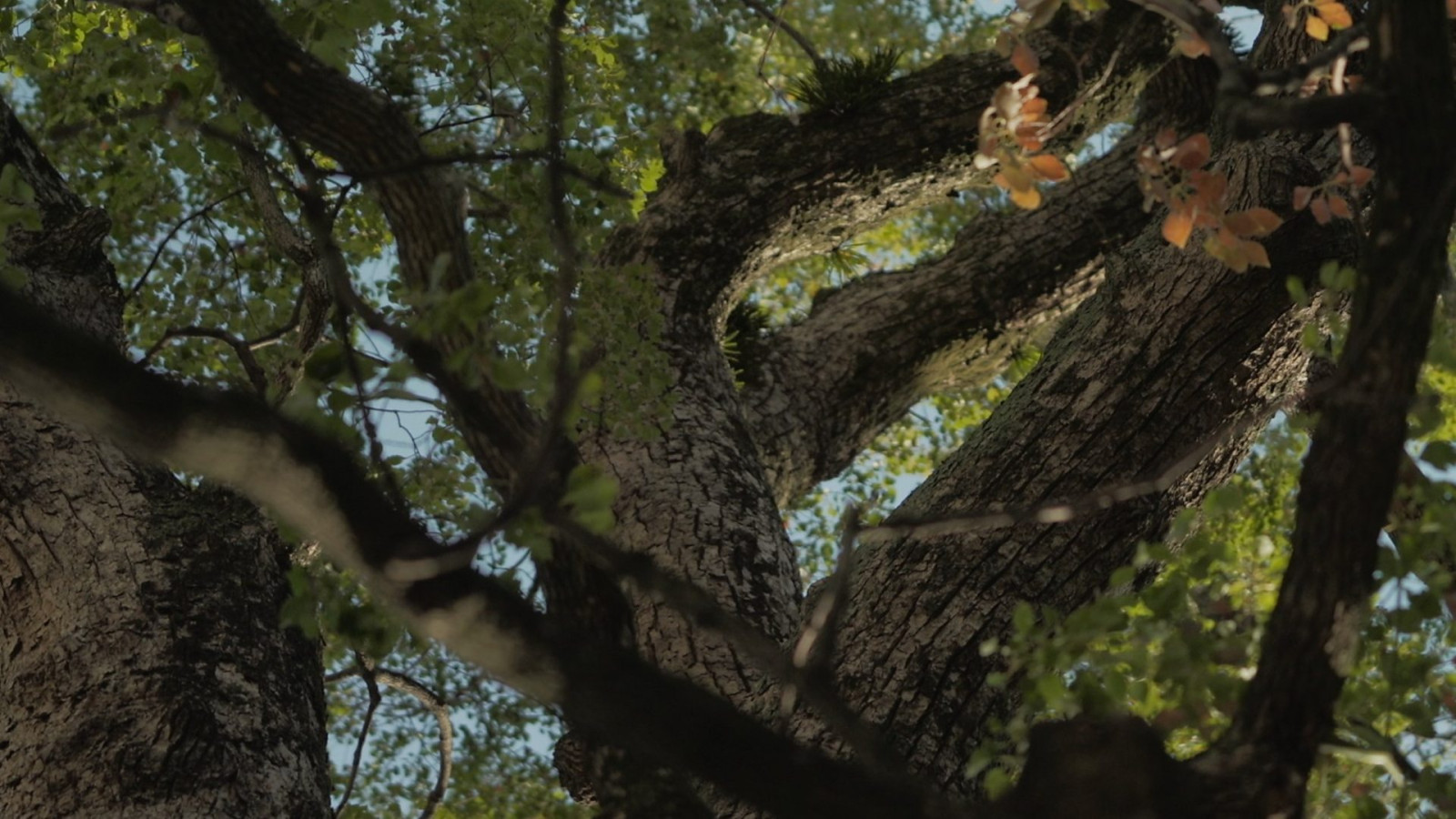
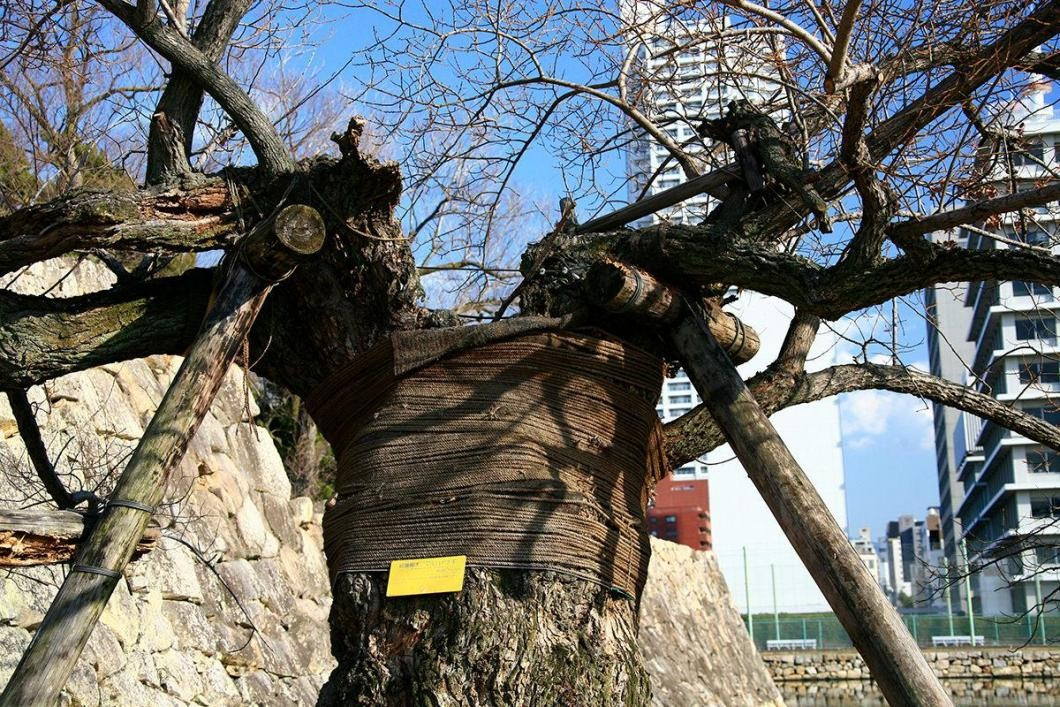
Amid Hiroshima’s urban landscape, select trees remain standing, emblematic of resilience and renewal. These hibakujumoku, or “A-bombed trees,” have become enduring symbols of hope and endurance. The ancient Ginkgo biloba, one of the oldest living tree species, notably survived within the blast perimeter, with new branches sprouting soon after the disaster.
According to the Progress in Biophysics and Molecular Biology paper, their survival is likely linked to genetic factors such as robust DNA repair capabilities and protective mechanisms innate to these trees.
What is even more astonishing is that scientists originally believed plant recovery in Hiroshima would take several decades. Yet within mere months, grass and tree seedlings had begun to reemerge. These hibakujumoku demonstrate that nature’s recovery capacity following catastrophic events is more rapid and robust than once assumed.
The Mechanisms Behind The Trees’ Radiation Survival
The explanation for their survival is not simply about adapting to long-term radiation. Instead, researchers emphasize the concept of “built-in resilience,” meaning the trees already had natural defense mechanisms that enabled endurance.
“The atomic bombings of Hiroshima and Nagasaki in 1945 created a unique environment of acute, high-dose ionizing radiation,” explained the authors. “This stands in stark contrast to the chronic, low-dose rate contamination that defines the Chernobyl and Fukushima Exclusion Zones.”
This inherent durability highlights how certain plants possess the capacity to withstand daunting environmental stressors.
Lessons from Hiroshima’s Trees for Future Resilience
Beyond confirming their survival, scientists are now exploring what insights these green survivors might offer about biological endurance.
“These trees are not merely historical relics; they are biological archives holding potential information on extreme radio-tolerance.” the authors added: “They represent an extremely small fraction of the pre-existing population that, by a combination of fortunate location, genetic predisposition, or protective microenvironment, withstood the cataclysm.”
The next research focus is to delve deeper into the genetic code of these trees. By decoding their DNA, scientists aim to identify specific genes that enable exceptional tolerance to intense radiation and environmental hardships.
“In an era of increasing anthropogenic pressure, integrating this pivotal historical case into the broader framework of environmental science provides…critical insights for predicting and fostering resilience in the future,” they concluded.
- Categories:
- News





0 comments
Sign in to Comment