
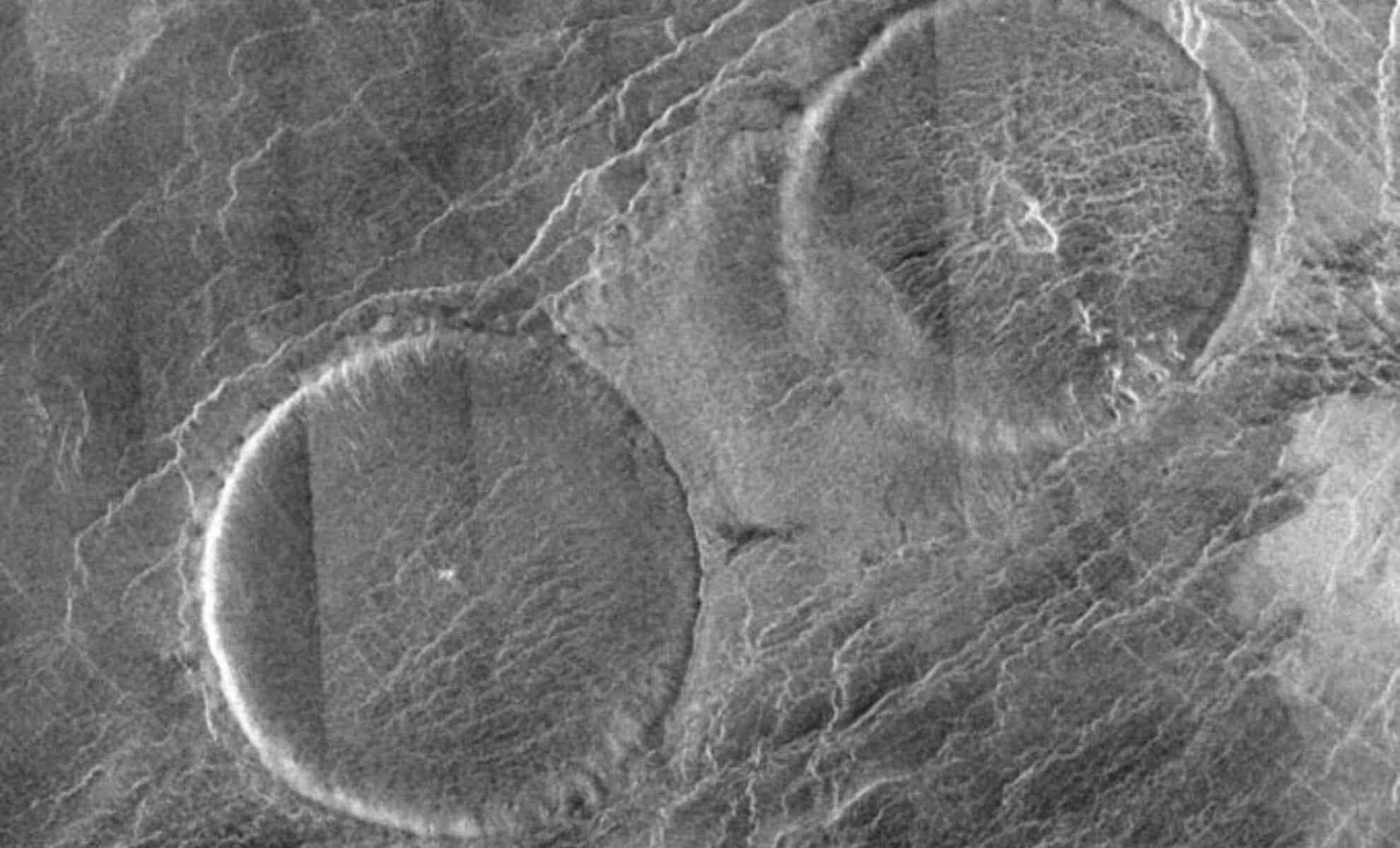
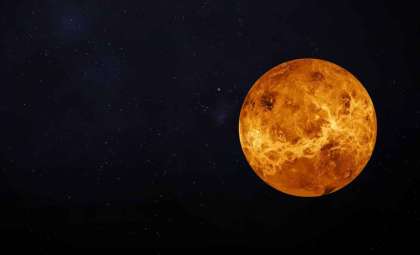
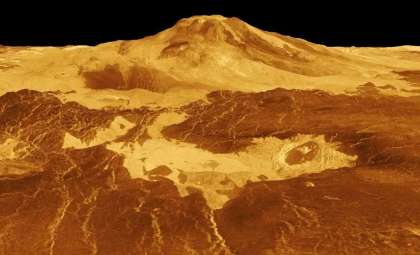
Venus, often referred to as Earth's ominous twin, boasts some of the most extraordinary volcanic formations within our solar system. Among these are the distinctive pancake-shaped domes—vast, round volcanic mounds that look like giant pancakes baked under Venus’ extreme heat. While it was previously thought these structures formed due to the slow extrusion of highly viscous lava, recent findings introduce an additional crucial factor in their creation.
Exploring a Massive 90-Mile-wide Volcanic Dome
Researchers have revisited the origin of these geological oddities by simulating one of Venus’ largest domes, Narina Tholus, which measures nearly 90 miles (145 kilometers) across. Using radar information from NASA's Magellan mission in the 1990s, they built a detailed computer model to examine how various lava characteristics and lithospheric flexibility influence the dome’s shape.
Their models demonstrated that lava alone could not explain the dome’s flattened summit and steep flanks. Instead, bending of Venus’ crust—known as crustal flexure—emerged as a key contributor. The researchers noted that increased crustal flexure results in domes with more level tops and sharper edges.

This phenomenon causes lava to accumulate and halt spreading when it contacts a soft, deformable lithosphere, producing the hallmark pancake dome profile. However, the lava composition itself does not tell the whole story, according to Madison Borrelli, the Georgia Institute of Technology postdoctoral researcher leading the study, who shared insights with Live Science.
The Role of Venus’ Exceptionally Dense Lava
The simulations only matched observations when using an incredibly dense, extremely thick lava—over a trillion times more viscous than ketchup and twice the density of water. This lava would flow at an extraordinarily slow pace, requiring hundreds of thousands of Earth years to fully settle. It also replicated the crustal uplift features observed around certain domes that previous research had noticed but not fully explained.
When this ultra-viscous lava comes into contact with a pliable crust, it forms domes with flat tops and steep sides, closely mirroring many pancake domes scattered across Venus’ surface. The published research marks significant progress in unraveling the volcanic processes shaping Venus.
Future Missions May Illuminate Venus’ Volcanic Secrets
Though this study presents strong evidence supporting the involvement of crustal flexure and dense lava in pancake dome formation, it currently centers on just one volcanic structure. Validation through a wider range of examples will depend on upcoming space missions like NASA’s VERITAS and DAVINCI. These missions promise enhanced topography measurements and detailed geological data about Venus’ surface. Their investigations will cover thousands of volcanic formations to determine whether similar crust-lava interactions govern the entire planet.
Should these findings be confirmed, they could profoundly alter our understanding of Venus’ geologic development and help clarify why it diverged so drastically from Earth despite their many similarities.
- Categories:
- Space







0 comments
Sign in to Comment