
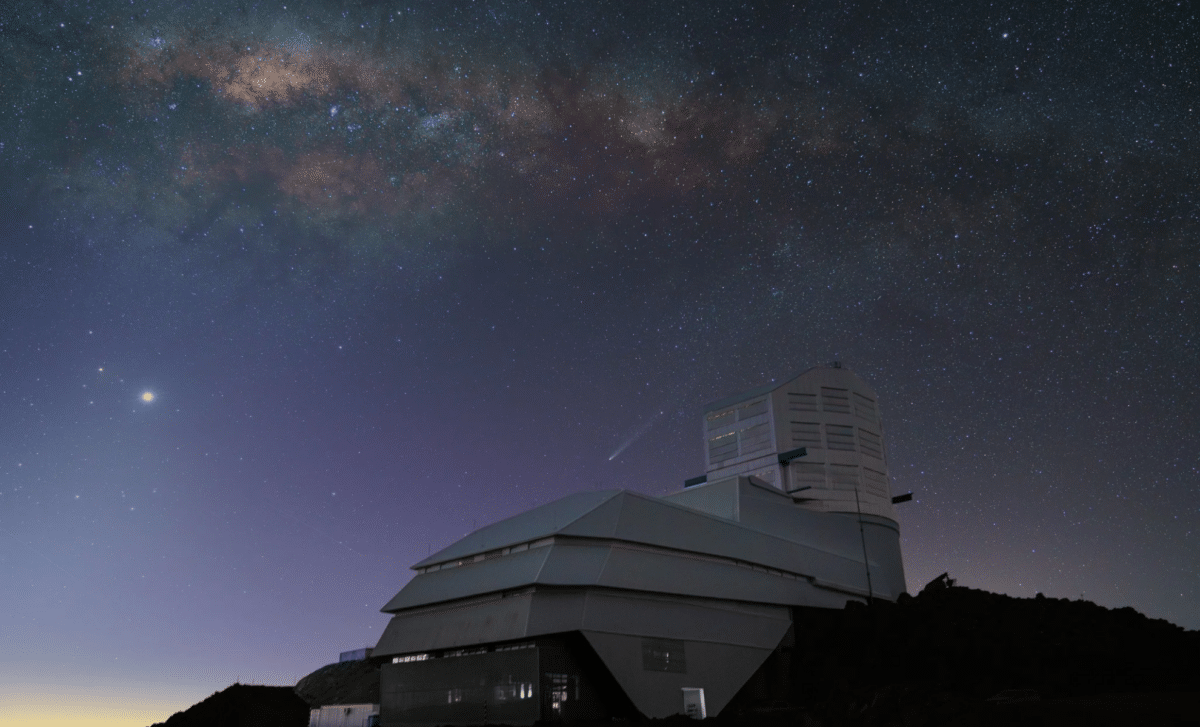
The Vera C. Rubin Observatory has astonishingly recorded 800,000 cosmic phenomena within a single 24-hour observing period. This groundbreaking milestone ushers in a new era of sky surveillance, employing sophisticated technology to monitor the cosmos with exceptional speed and scope.
An Advancement in Observational Astronomy
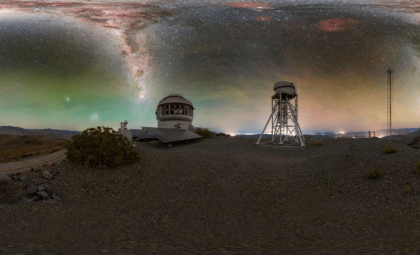
Located atop the Chilean Andes, the Vera C. Rubin Observatory pushes the limits of astronomical observation. Unlike traditional telescopes that capture infrequent sky snapshots, Rubin continuously scans the heavens, capturing images every 40 seconds. This constant vigilance reveals subtle cosmic changes, including motion, light bursts, and brightness variations.
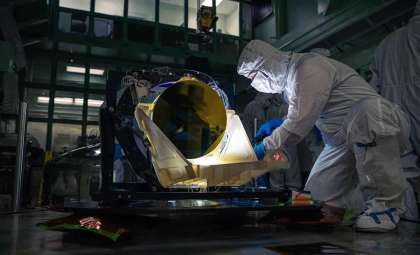
Equipped with a camera boasting 3,200 megapixels per shot, Rubin is capable of detecting objects far fainter than the human eye can discern. Thanks to its sensitivity, even the tiniest cosmic occurrences are recorded and analyzed in mere minutes.

“By connecting scientists to a vast and continuous stream of information, NSF–DOE Rubin Observatory will make it possible to follow the universe’s events as they unfold, from the explosive to the most faint and fleeting,” says Luca Rizzi of the National Science Foundation (NSF).
This steady influx of data is vital for quick responses to celestial incidents such as supernova explosions or asteroid near-misses. By observing the same sky regions repeatedly, Rubin offers real-time insights into rapidly evolving cosmic phenomena previously inaccessible to older telescopes.
A Revolution in Data Volume: From Hundreds to Hundreds of Thousands
The Rubin Observatory is transforming the volume of astronomical data collected nightly. Traditionally, astronomers identified only a few hundred to thousands of transient occurrences per year, but Rubin has amplified this to 800,000 alerts every single night, redefining how cosmic events are tracked.
“Previously, only a few hundred to a few thousand transient events were detected annually,” explains Or Graur from the University of Portsmouth, UK. “Moving to 800,000 alerts nightly is a massive transformation.”
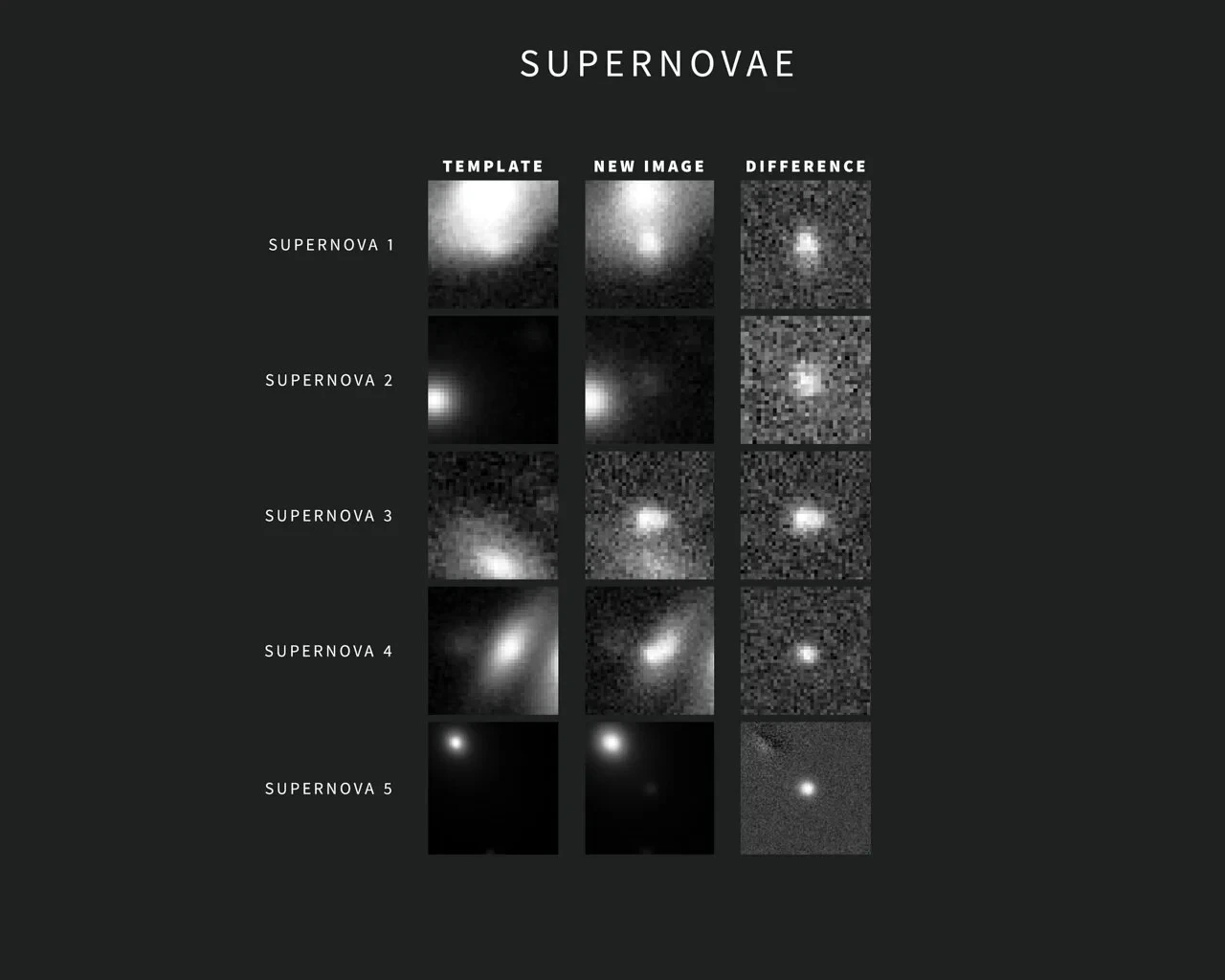
Graur’s remarks underscore the tremendous scale of Rubin’s output. Beyond quantity, the observatory enhances research depth, allowing previously overlooked transient events to be caught and studied, bolstering astronomical knowledge immensely.
“Objects that used to be rare will become commonplace, and even rarer objects, that could not have been discovered with the previous surveys, will start popping up,” Graur explains. “In other words, the chance of discovering brand-new objects and phenomena is very real.”
Pioneering New Horizons in Supernova Research and More
Rubin’s influence is already evident in the exploration of supernovae, especially Type Ia, vital for measuring cosmic distances. Astronomer Georgios Dimitriadis from the University of Lancaster notes that Rubin uncovers transient events that past surveys missed entirely.
“Even with the current alert stream, we have identified transients that would be completely missed from any other survey operated until today, which is amazing,” says Dimitriadis. “I am super excited to discover, observe, and analyze Type Ia supernovae from Rubin.”
This early achievement highlights the advantage of Rubin’s rapid-monitoring capabilities, able to detect fleeting cosmic occurrences beyond the reach of conventional telescopes. As Rubin’s data collection accelerates, countless supernovae and other phenomena are expected to be discovered, potentially revolutionizing our cosmic understanding.
The Engine Driving Discoveries: Speed, Volume, and AI Assistance
Rubin’s strength lies in swiftly processing and managing the flood of nightly data. With hundreds of thousands of alerts generated each evening, manual review is impossible. Instead, Rubin employs advanced software “brokers” to organize and highlight the most significant cosmic events.
“The broker teams have built systems that operate rapidly at scale so that scientists can find all of the objects of interest to them, as well as things we’ve never seen before,” says Tom Matheson, who developed the ANTARES alert broker.
These brokers utilize machine learning to navigate the immense data torrent and identify noteworthy events, enabling scientists to prioritize follow-up observations more effectively. Rubin not only accelerates discovery pace but also raises research quality by ensuring fleeting or rare phenomena are promptly recognized.
- Categories:
- Astronomy



0 comments
Sign in to Comment