

As temperatures drop, where dogs rest at night turns critical for their health. Chilly conditions can lead to hypothermia, frostbite, dry skin, paw irritation, and aggravated joint pain, particularly affecting young puppies, older dogs, breeds with short fur, and pets with existing ailments.
Experts recommend dogs sleep inside during cold spells in environments that are warm, dry, and free from drafts. This doesn’t necessarily mean sleeping in a human’s bed, but rather having a designated indoor area that retains body heat while still allowing outdoor activity for exercise and mental engagement. Comprehensive dog winter safety advice from VCA Animal Hospitals supports this balanced approach.
Indicators Your Dog Is Feeling Cold
Shivering is the most obvious symptom, but other signs include reduced energy, slowed movements, decreased breathing rate, or increased sleep as the dog conserves heat.

Stiffness can also be a symptom, notably in elderly dogs or those with arthritis. Cold combined with humidity may intensify discomfort, often mistaken as purely joint-related.
Changes in skin condition offer additional clues. Dogs with sparse or short fur may be prone to dry skin because of reduced protection against cold air and wind. Small, short-coated, or brachycephalic breeds like Chihuahuas, Boxers, and Pugs are particularly at risk.
Setting Up a Cozy Indoor Sleep Area
Simply bringing a dog indoors is not enough; the sleeping spot must minimize heat loss.
Place the bed away from drafts caused by doors, windows, hallways, or gaps. Even indoor drafts can make it difficult for dogs to maintain warmth overnight.
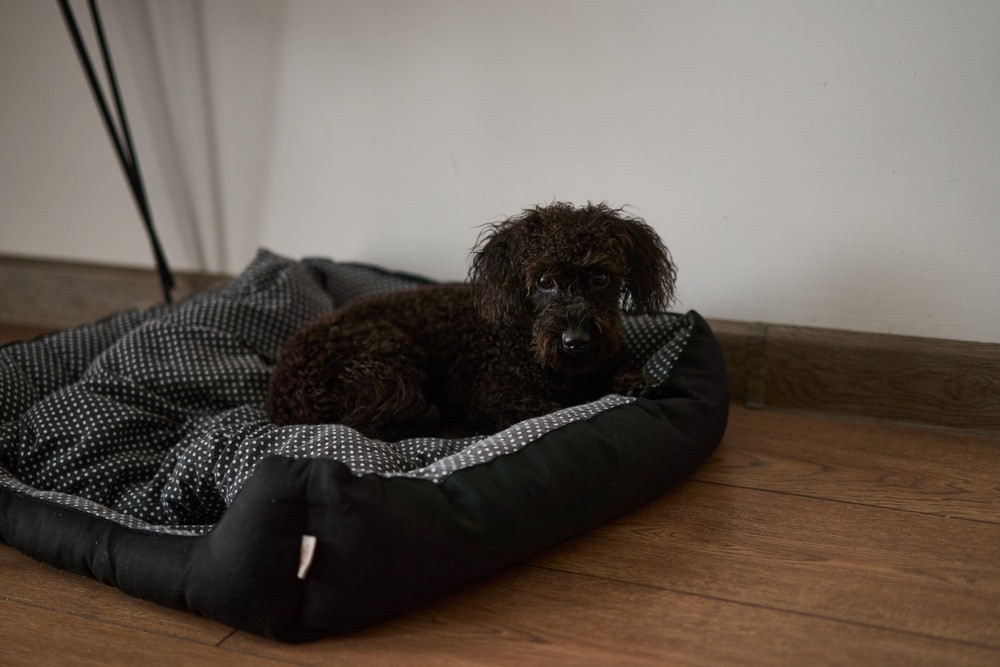
The bed's surface should provide insulation. Thin blankets on cold floors are inadequate. An ideal bed is thick, cushioned, or elevated to prevent heat loss to the floor. Adding blankets offers extra warmth and comfort. VCA Animal Hospitals emphasize that warm bedding placed away from drafts is essential for cold weather comfort.
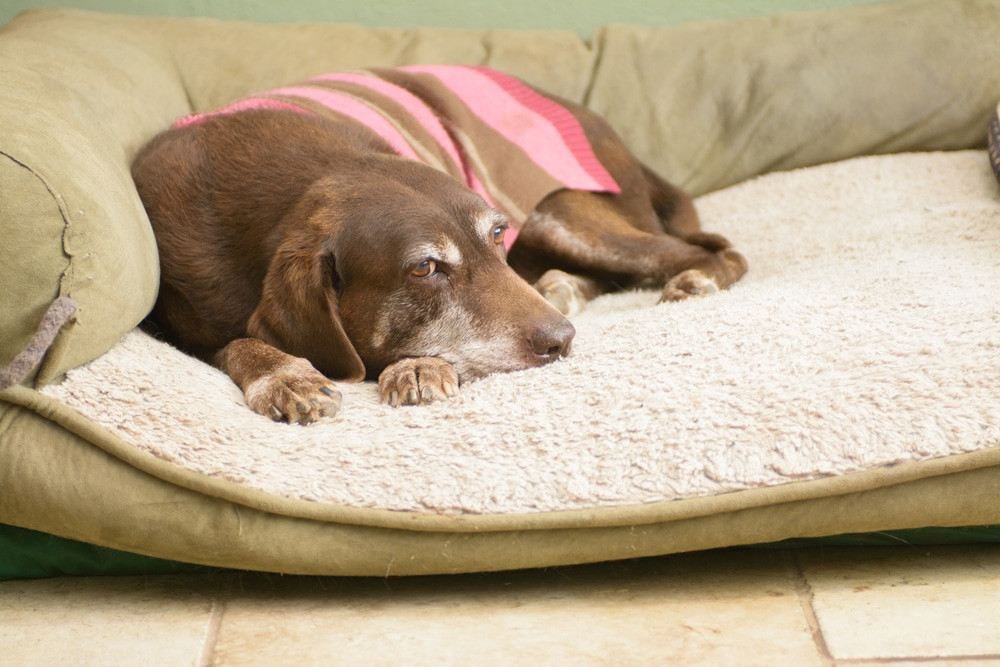
For dogs with short hair, smaller breeds, seniors, or during very cold nights, a sweater can help retain body warmth during sleep. The aim is to maintain a comfortable temperature without overheating or exposing the dog to cold surfaces or air.
Safe Outdoor Activities in Winter
Keeping dogs indoors overnight doesn’t mean avoiding the outdoors entirely during winter. Exercise, fresh air, and mental stimulation remain essential, but exposure should be carefully managed.
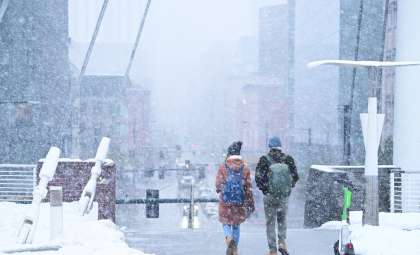
Walk lengths and intensity should suit the dog’s size, coat type, age, health, and prevailing weather. Wind, wetness, snow, and humidity can intensify cold hazards beyond the thermometer reading.
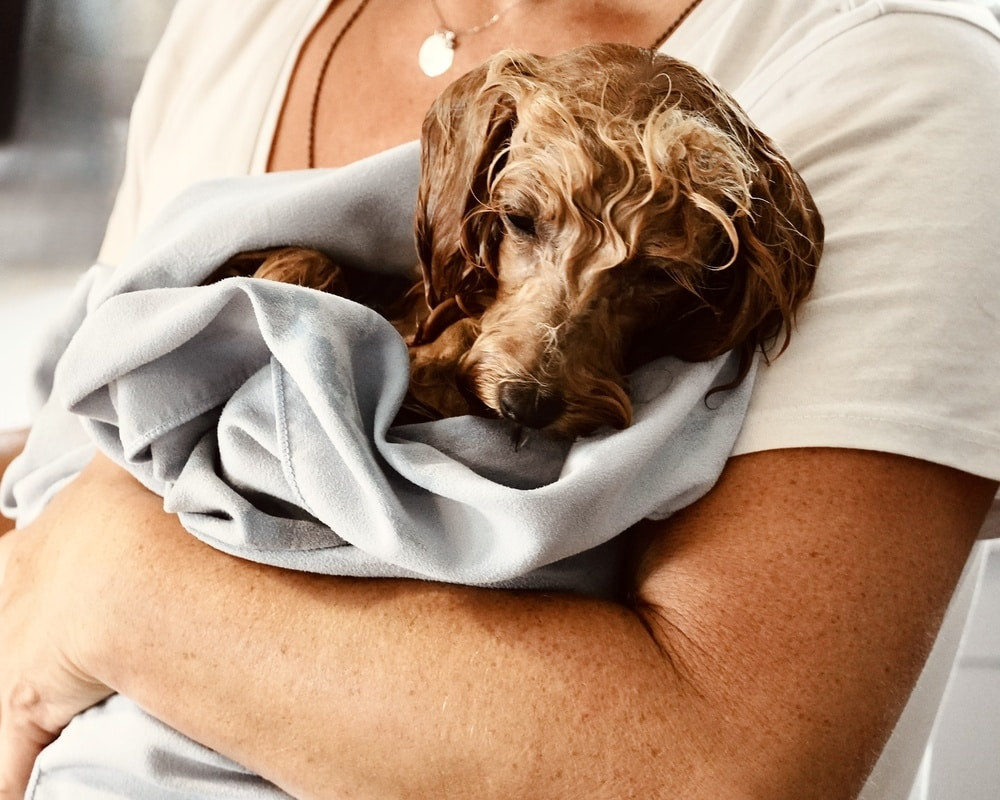
After outdoor activities in rain, snow, or slush, it’s important to dry dogs thoroughly. Damp fur can accelerate heat loss and lead to skin irritation. Use absorbent towels, paying special attention to paws, footpads, legs, and the belly where moisture, ice, and dirt accumulate.
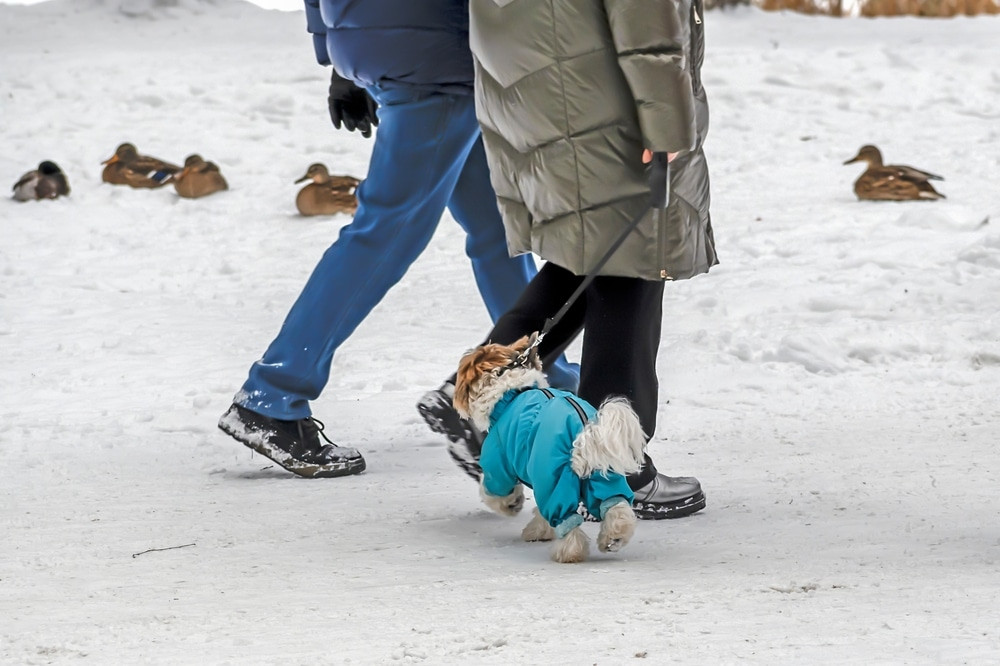
Winter conditions can be tough on paws. Ice, snow, road salt, and de-icing substances may cause irritation or injury. Protective measures like paw booties or wax are helpful in freezing weather. Cleaning paws after walks is critical to prevent dogs from licking harmful residues.
Frequent baths during winter might dry out skin by removing natural oils. Unless medically necessary, avoid drastic grooming cuts as the coat provides vital insulation in cold weather.
Special Care for Sensitive Dogs
Not all dogs respond similarly to cold. Puppies, elderly dogs, those recovering from illness, or with chronic health issues require extra protection since they may struggle to keep warm.
Close attention is needed for dogs with arthritis, as cold and damp conditions can worsen their discomfort, making an indoor warming space essential for relief and prevention.
Active dogs or those spending substantial time outdoors during winter may burn more calories to stay warm. Nutritional adjustments after consulting a veterinarian may be necessary.
Hydration remains critical during cold months. Outdoor water bowls should be monitored frequently for freezing. Dogs must have access to fresh, unfrozen water at all times.
Temperature guidelines can assist owners in making safe choices. Below 32°F warrants increased precautions, while at 20°F or below, even brief outings might be unsafe, especially with wind chill.
Never leave dogs unattended in parked cars during cold periods. Cars can quickly become dangerously cold, increasing the risk of hypothermia.
Frostbite poses another serious threat. Typical signs include pale, bluish, blistered, or painful skin often on the ears, tail, and toes. Immediate veterinary intervention is critical if frostbite is suspected, and rubbing the affected areas should be avoided.
Indoor hazards rise during winter as well. Space heaters and fireplaces can cause burns, so dog beds should be positioned at safe distances. Safety barriers might be necessary in homes where pets may approach open flames or heated surfaces.
Antifreeze represents a severe danger due to its sweet smell and taste, but even small amounts can cause fatal kidney damage. VCA Animal Hospitals warn that antifreeze should be kept sealed tightly and out of pets’ reach, with any spills cleaned immediately.
- Categories:
- News








0 comments
Sign in to Comment