
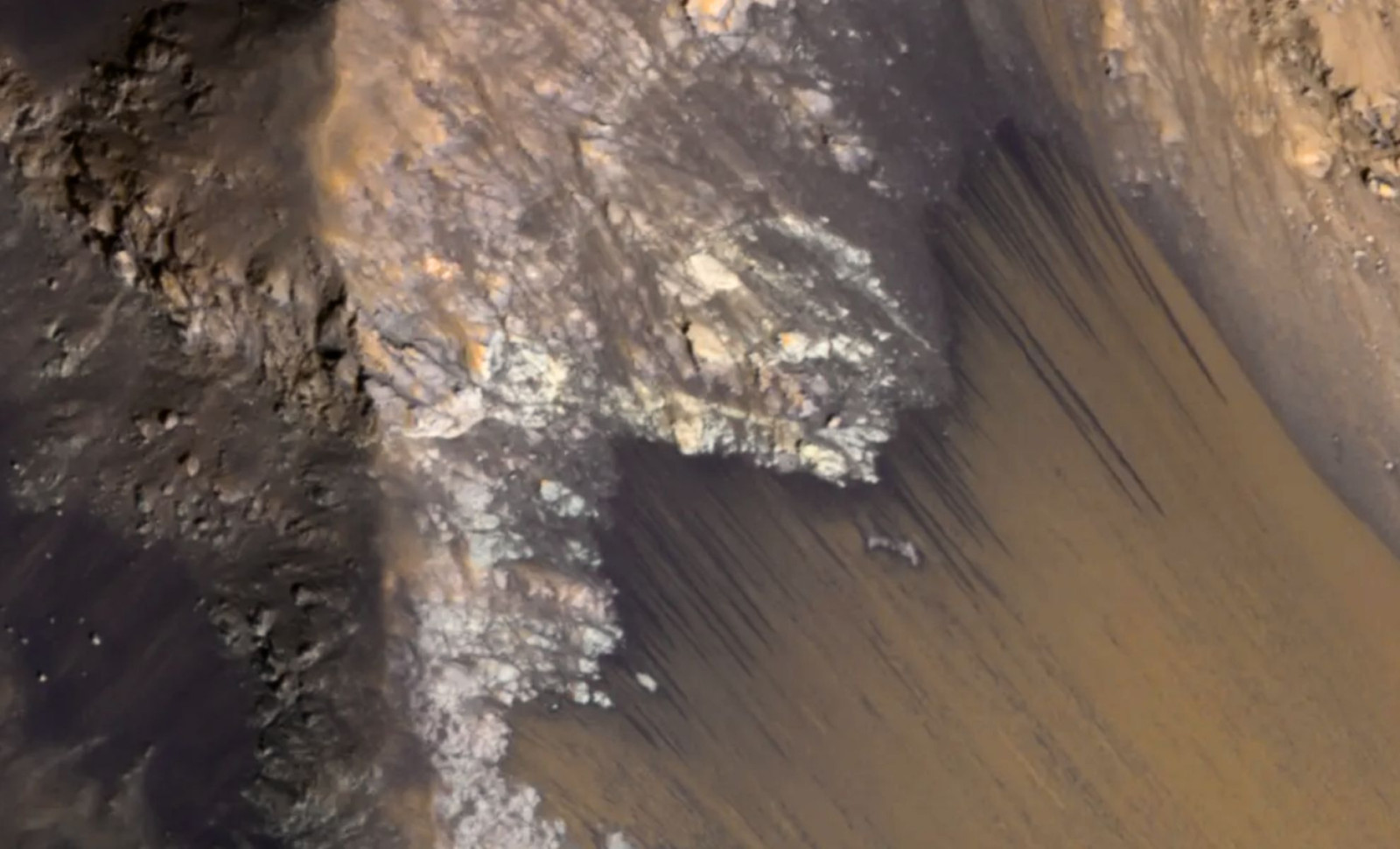
As plans for human missions to Mars advance rapidly, specific areas on the planet remain off-limits for robotic probes. This restriction isn’t about the difficulty of travel or harsh landscapes but stems from international efforts to protect potentially life-supporting regions from Earth-based contamination.
Dubbed special regions, these sites may harbor the most promising environments for detecting life on Mars. Nonetheless, no current spacecraft is permitted to explore these zones, with planetary protection standards emphasizing scientific caution over exploration ambitions.
New findings from NASA’s Perseverance rover at Jezero Crater have brought renewed attention to these policies. In 2025, organic compounds were discovered in ancient watery rock formations, raising fresh debates about how strictly limitations should be applied.

Protective Protocols Defining Mars’s Sensitive Areas
Special regions refer to Martian environments where microbial life might survive, such as cold areas that occasionally warm or contain underground water pockets. The Committee on Space Research (COSPAR) identifies these zones as places where temperatures exceed –28°C and water activity is above 0.5, mandating protective measures.
These guidelines are grounded in Article IX of the 1967 Outer Space Treaty, requiring nations to avoid cross-contamination in space exploration. COSPAR’s planetary protection policy serves as the global framework, shaping mission rules for agencies like NASA, ESA, and CNSA.
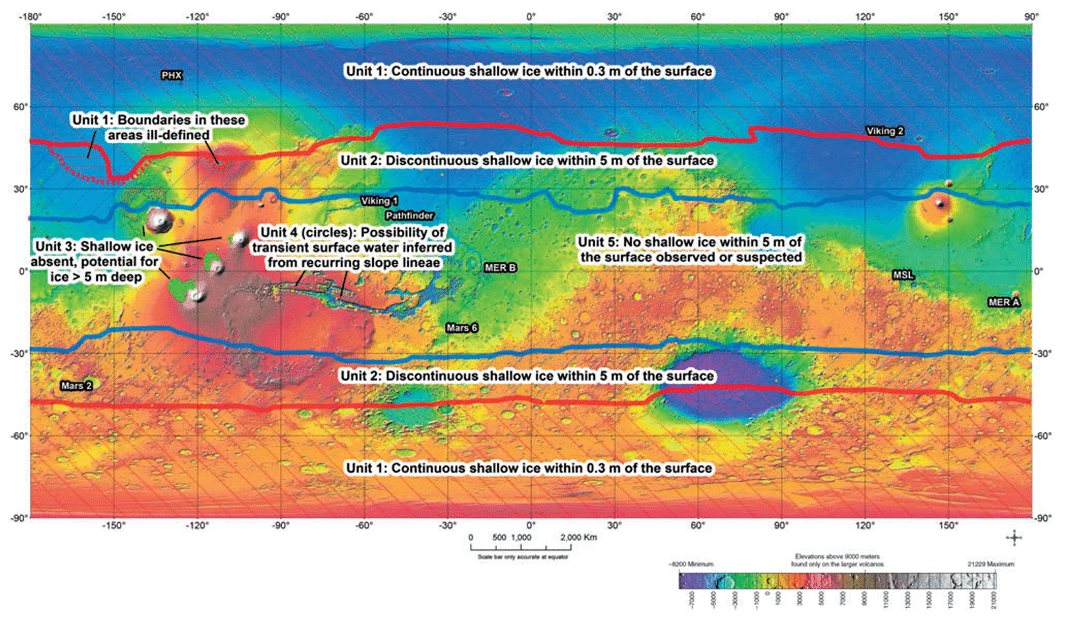
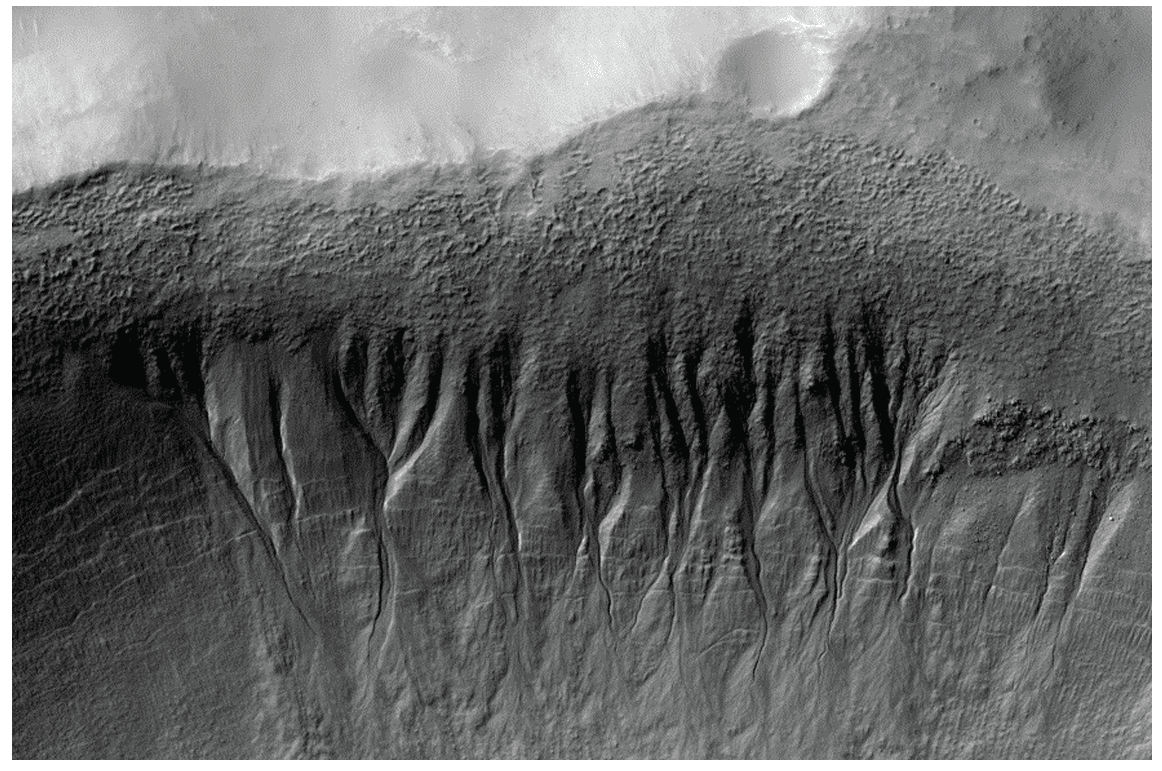
In 2016, COSPAR extended precautionary status to uncertain regions, areas potentially meeting criteria for microbial growth. One such example is recurring slope lineae (RSL), seasonal surface streaks once believed to be briny liquids but later identified as likely dry granular flows.
The National Academies of Sciences underscored the importance of stringent safeguards in their 2021 review on Mars Special Regions, emphasizing that even small contamination could hinder future discoveries of extraterrestrial life and affect vital Martian resources.
Debates Surrounding Restrictions, Costs, and Risks
A 2017 study in Astrobiology advocated for loosening entry limits, led by Alberto Fairén who suggested that robotic missions should access special regions before human missions introduce uncontrollable microbial contamination. The argument highlighted escalating mission expenses as a factor for policy change.
This view was met with resistance. Former NASA planetary protection heads JD Rummel and Catharine Conley responded by challenging claims that sterilization costs were prohibitive. Their analysis, published via PubMed Central, indicated that sterilization might only increase overall mission budgets by about 14 percent.
They also cautioned that Earth microbes found in extreme terrestrial environments share genes similar to hypothetical Martian life, so contamination could mislead life detection efforts.
Moreover, contamination could occur without human presence; a rover malfunction or crash in steep areas near RSL features might release Earth microbes, potentially compromising pristine environments.
Physical and Engineering Hurdles Complicate Access
Even ignoring protection rules, reaching many Mars special regions poses significant challenges. RSL occur on slopes exceeding 45 degrees, terrains presently inaccessible to rovers. Other targets, like subsurface brines, may reside over 10 kilometers underground.
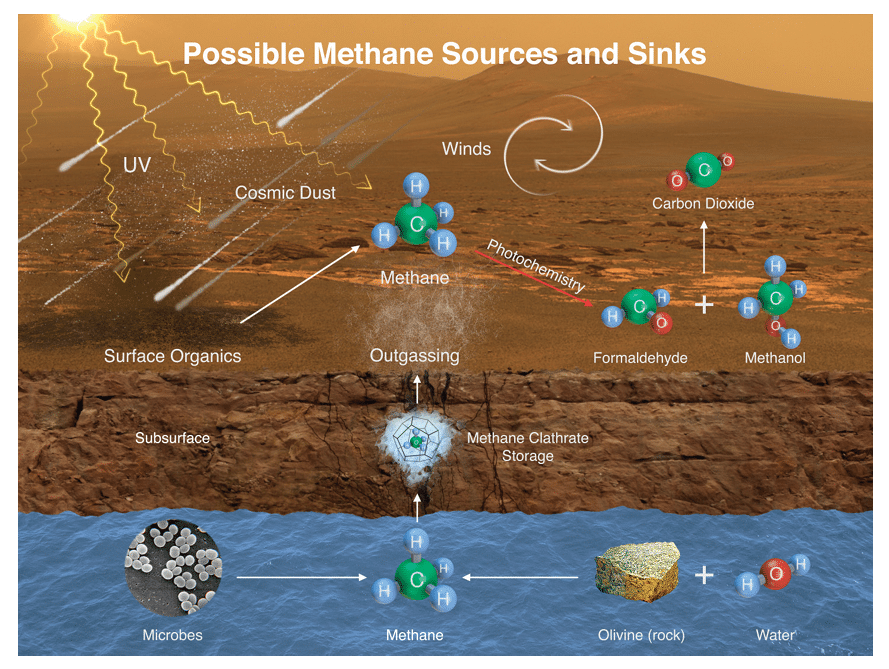
NASA’s Perseverance rover’s discovery of complex organics within the Bright Angel Formation rock layers in 2025, formed by ancient water flows, further fuels the debate. While not definitive proof of life, these compounds suggest habitable conditions might still exist on Mars.
Updated in 2023, COSPAR’s planetary protection guidelines require all prospective landing sites to be scrutinized for microbial risk, incorporating hazard levels, biological loads, and environmental factors. All spacefaring nations affiliated with COSPAR must comply.
Upcoming Human Missions Add Pressure on Protection Rules
The upcoming Mars Sample Return initiative, a collaborative effort between NASA and ESA slated to launch later this decade, must steer clear of these protected zones. Samples collected should come from low-risk locations, be securely contained, and undergo analysis in biosecure labs designed for extraterrestrial materials.
Future crewed missions anticipated in the 2030s will inevitably bring Earth microbes with them, raising the stakes for strict planetary protection now to preserve the integrity of Martian environments.
Rummel and Conley, in their detailed critique on PMC, emphasized that contamination of habitable zones by robotic explorers today could eliminate chances to discover native Martian life. Once these sites are compromised, identifying the origin of any life signatures becomes exceedingly complex.
Some scientists argue that changing scientific knowledge, increasing mission frequency, and private sector involvement call for regulatory updates. Nonetheless, COSPAR remains the primary global authority, with the United Nations Committee on the Peaceful Uses of Outer Space reaffirming its authority in 2017.
Currently, no robotic missions have permission to enter confirmed special regions, though this may evolve with improved access technology or new detections of brine-rich spots that meet the risk criteria.
- Categories:
- Space










0 comments
Sign in to Comment