
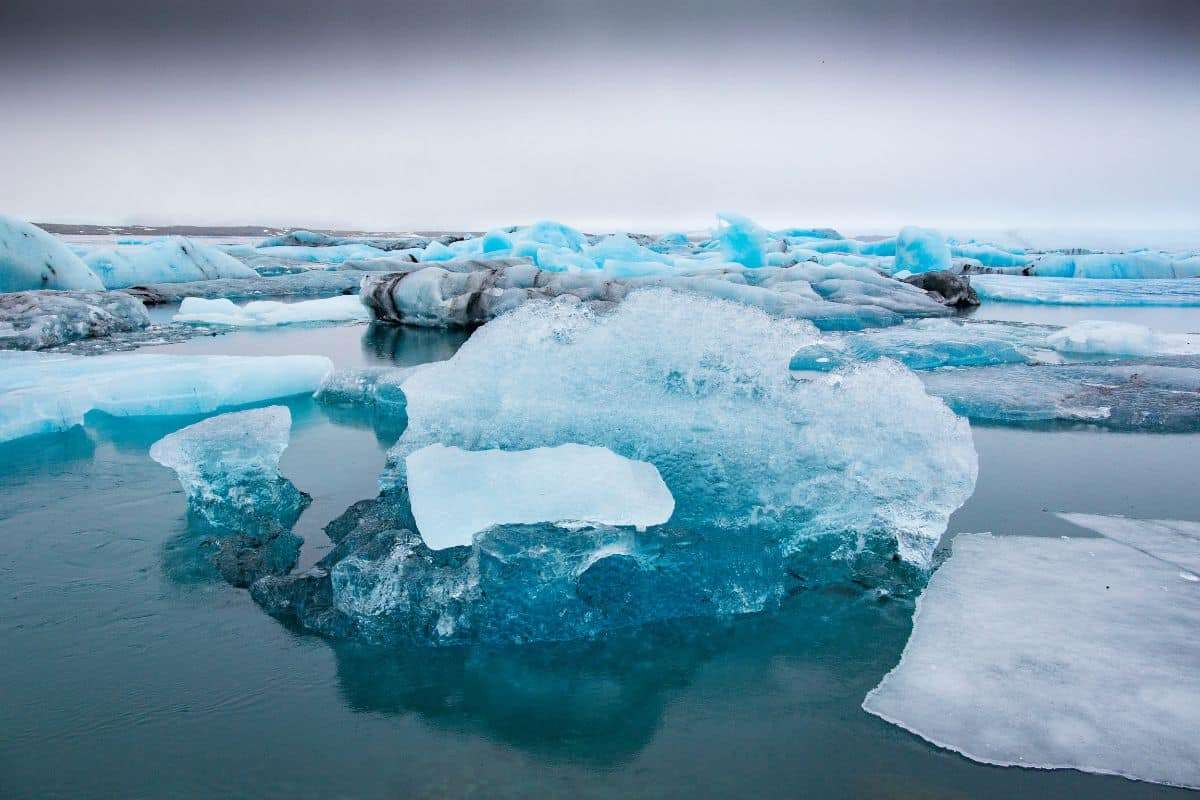
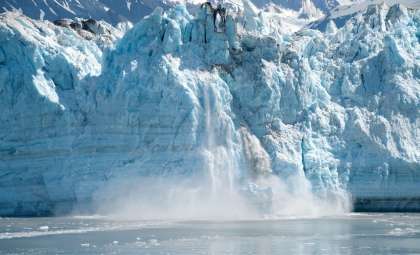
Glaciers, vast icy rivers sculpting mountain terrains, were once seen as unchanging giants. However, recent research led by Amy Holt, a postdoc from Florida State University (FSU), reveals a surprising insight: each glacier possesses a unique identity.
Unveiling Glacial Organic Carbon on a Global Scale
The research involved an unprecedented examination of organic carbon molecules in meltwater from 136 glaciers spanning six continents.
Collaborators from FSU, the Swiss Federal Institute of Technology Lausanne, and the University of Alaska Southeast helped establish that every glacier carries a distinctive carbon fingerprint.
The study was published in Global Biogeochemical Cycles. "Our findings highlight the diversity among glaciers and suggest they play varying roles within Earth's carbon cycle, the planet’s ongoing carbon recycling process," noted Holt.

How Location and Human Factors Influence Glacier Carbon
Glaciers located worldwide have markedly different organic carbon profiles. Remote glaciers, such as those found in Greenland and New Zealand, mainly display carbon linked to microbial origins.
This diversity is more than scientific curiosity—it has real-world consequences. "Glaciers and alpine environments are at the frontline of climate change," Holt explained.
"It's encouraging that my work adds to our grasp of how these regions might transform in coming years."
The Intricacies of Carbon Within Glacial Systems
The study sheds light on the dynamic nature of organic carbon pools within glaciers. "These small organic carbon molecules are vital as they support aquatic food chains, providing energy to microorganisms that release carbon dioxide back into the atmosphere during respiration."
Carbon found in meltwater originates from microbial activity on glacier surfaces, as well as from airborne particles including soil dust and industrial pollutants. This organic material is essential for sustaining downstream ecosystems, especially in mountain-fed rivers and lakes.
Impacts of Glacial Retreat on Dependent Ecosystems
The work draws attention to the wider consequences for environments relying on glacial runoff. As glaciers recede, their contribution to carbon cycling changes, which may influence water quality and aquatic life.
"In the short term, glacier meltwaters deliver biologically accessible carbon that organisms downstream utilize rapidly," said Prof. Robert Spencer, co-author of the publication.
"However, as many glaciers continue to dwindle and vanish, the alteration in carbon sources and forms could have significant effects on the vitality and productivity of fisheries and related ecosystems."
An Expedition to Understand a Melting World
Collecting samples from glaciers worldwide posed many obstacles. Holt and her team undertook arduous treks in challenging conditions across regions including Alaska, Ecuador, and Kyrgyzstan.
The knowledge gained from these efforts provides new perspectives on glaciers’ interaction with the carbon cycle and the health of ecosystems downstream.
- Categories:
- Climate change






0 comments
Sign in to Comment