
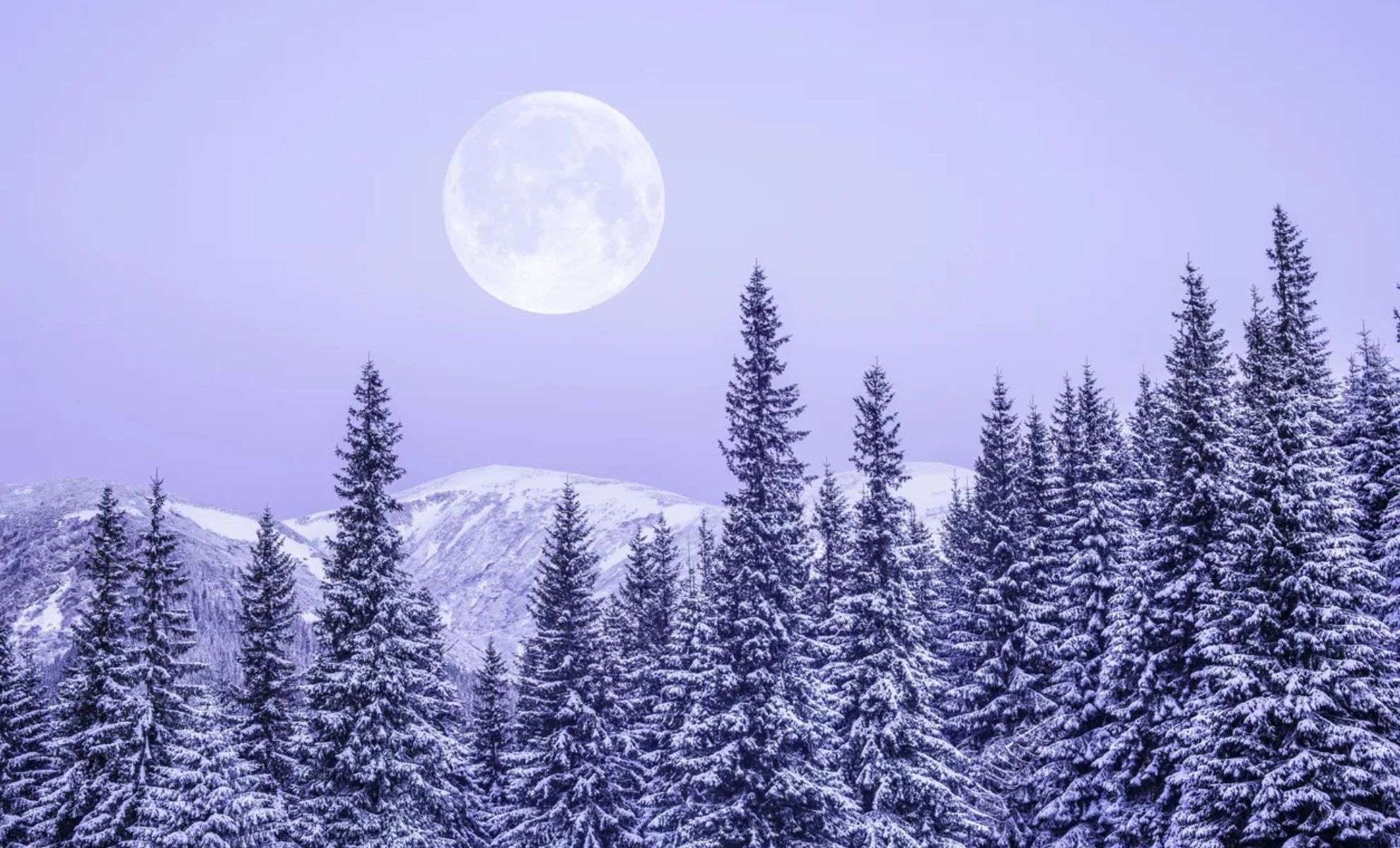
On December 21, 2024, residents of the Northern Hemisphere will experience the winter solstice, marking the year's briefest daylight and longest night. This remarkable celestial event, caused by Earth’s tilt and orbit, has captivated humans for millennia. It is when the Sun seemingly halts its descent to the lowest sky point before starting its gradual ascent toward longer, lighter days.
The winter solstice is not only a scientific milestone but also a symbol of endurance, new beginnings, and hope. Many cultures have celebrated this moment with rituals and festivities, reflecting a deep bond with nature. Beneath the mystery lies a fascinating celestial interplay that shapes the pace of our seasons.
Understanding the Scientific Basis of the Shortest Day
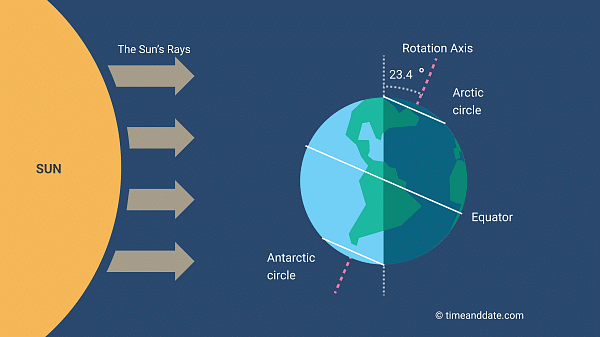
On December 21, 2024, the Northern Hemisphere will undergo the winter solstice, characterized by the year's minimum daylight hours and maximum darkness. This event happens when Earth’s axial tilt leans the North Pole farthest from the Sun. For many, this date signifies the official commencement of astronomical winter, marked by chilly nights and diminishing sunshine.

Exactly at 4:20 a.m. ET, the solstice occurs as the Sun reaches its lowest elevation in the sky due to Earth's tilted axis of 23.5 degrees. Twice annually, at the summer and winter solstices, the Sun hits its most extreme northern or southern position, altering day length globally. For Northern Hemisphere inhabitants, this event underscores how Earth’s tilt controls seasonal changes and weather patterns.
More than a mere calendar day, the solstice is an astronomical threshold. After this point, daylight slowly but steadily increases, heralding the progression toward sunnier days.
Daylight Duration: A Matter of Latitude
The amount of sunlight on the solstice varies widely depending on geographical position. The further north you are, the shorter your daylight hours become. In places like Barrow, Alaska, the Sun may not rise at all, resulting in prolonged darkness. Meanwhile, cities nearer the equator, such as Miami, Florida, still benefit from relatively longer daylight periods.
NASA states:
“All locations north of the equator see daylight shorter than 12 hours, and all locations south see daylight longer than 12 hours.”
To illustrate, here’s a snapshot of sunrise, sunset, and total daylight during the solstice in three locations:
While northern locations like Alaska endure near-continuous darkness, more southern areas receive substantial daylight. This stark difference underscores how Earth’s tilt shapes the variety of sunlight exposure across different regions.
Defining Winter’s Arrival: The Astronomical Perspective
From an astronomical viewpoint, the winter solstice represents the official beginning of winter in the Northern Hemisphere and marks summer's start in the Southern Hemisphere. Unlike meteorological seasons based on fixed temperature cycles, astronomical seasons are tied to Earth’s position relative to the Sun.
When December 21 arrives, the sun’s rays fall directly over the Tropic of Capricorn, the southernmost latitude where the Sun can be seen overhead. Consequently, while the north faces its darkest day, the south enjoys its longest and brightest summer daylight.
Across history, the solstice has been recognized as a pivotal seasonal signifier—signaling both the arrival of colder months and the assurance of increasing daylight.
The Shift Toward Increasing Light
Though December 21 is the darkest day, it also marks a critical turning point. From then on, the Northern Hemisphere gradually gains more sunlight each day. Increments start small, measured in seconds, but over weeks become noticeably longer.
By the summer solstice on June 20, 2025, the Northern Hemisphere will experience the year’s longest daylight. This endless cycle of balancing light and dark has inspired human cultures, leading to celebratory rites and monuments honoring the return of light.
The symbolism is profound: even in the depths of winter, light begins to return. The winter solstice embodies themes of hope, renewal, and resilience.
Historical Observances and Contemporary Meaning
For millennia, societies have revered the winter solstice as a sacred occasion. Ancient sites such as Stonehenge in England and the Torreon at Machu Picchu in Peru were precisely aligned to the Sun’s solstice position. These remain powerful reminders of humanity’s age-old fascination with celestial cycles.
The solstice has long represented themes of rebirth and light’s victory over darkness, celebrated in festivals like:
- Yule: Rooted in Norse tradition, this solstice celebration involved feasting, lighting fires, and honoring the Sun’s renewal.
- Saturnalia: This Roman festival honored Saturn with gift exchanges and joyful activities, marking the hope of brighter days.
- Dongzhi Festival: Observed in China, this event celebrates increasing daylight with family reunions and special cuisine.
Modern winter holidays such as Christmas and Hanukkah carry forward these solstice themes, emphasizing community, light, and warmth amid winter’s darkness.
Ways to Celebrate the Winter Solstice 2024
The solstice is an ideal time to pause and embrace nature’s cycles. Here are some suggestions to honor the day:
- Observe sunrise or sunset: Experience the unique path of the Sun at its lowest.
- Light candles or a fire: Embrace warmth and symbolize returning daylight.
- Spend time in nature: A walk outside can connect you with winter’s calm beauty.
- Contemplate the past year: Use the longest night for reflection and setting goals for brighter days ahead.
- Categories:
- Astronomy ,
- News










0 comments
Sign in to Comment