
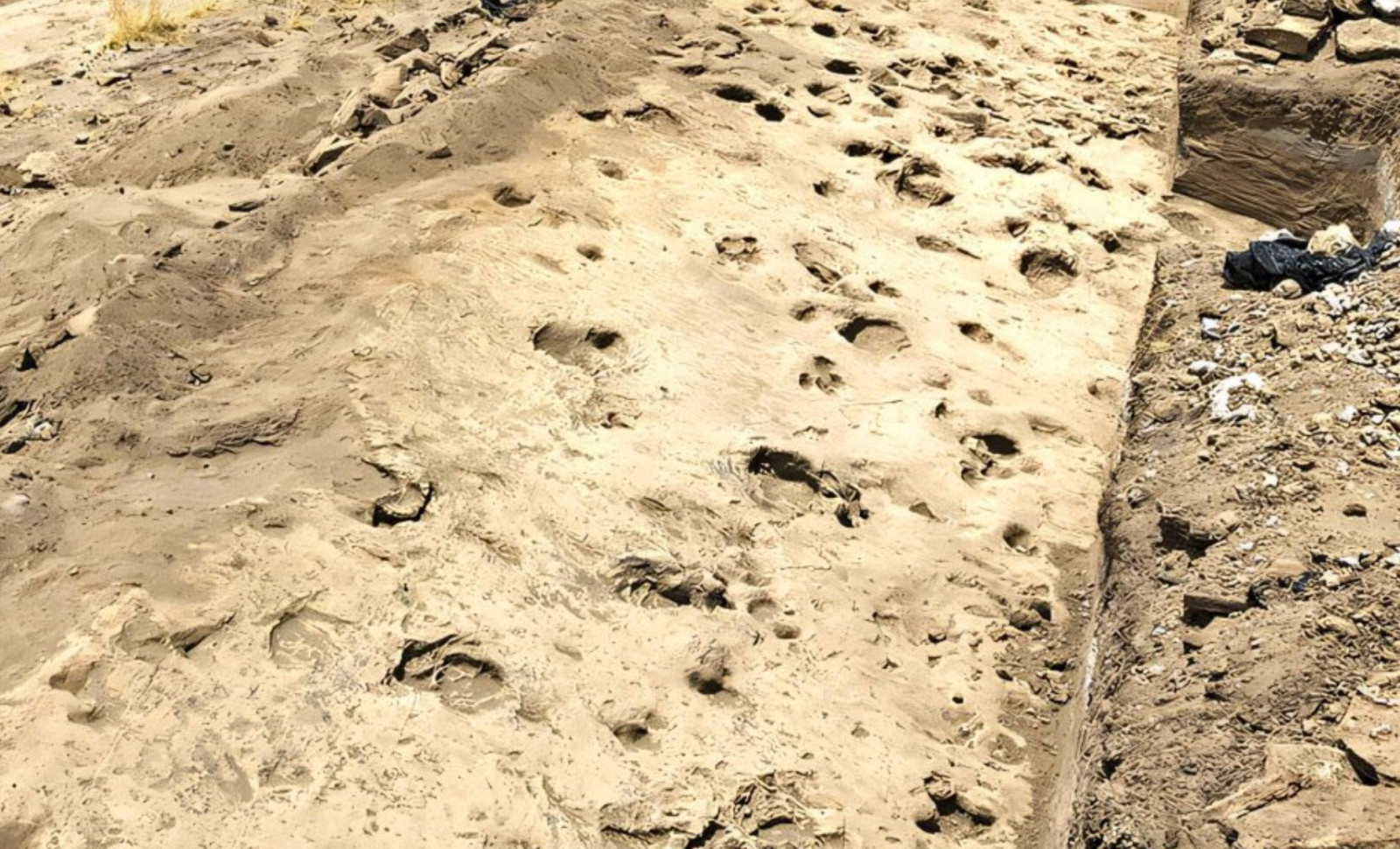
Researchers have uncovered a set of footprints dating back 1.43 million years near Lake Turkana in northern Kenya, offering new insights into the elusive species Paranthropus boisei. These traces suggest the extinct hominin was larger than previously estimated and that adult males might have traveled collectively.
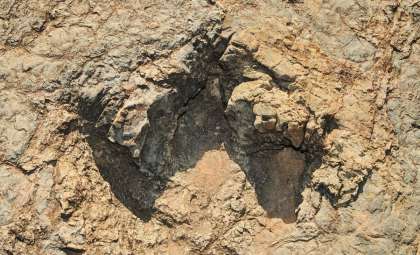
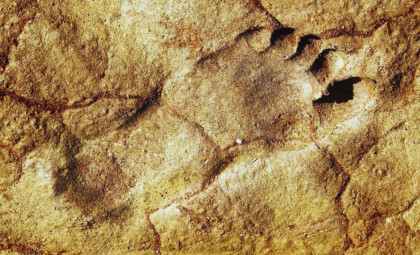
Reported in the Proceedings of the National Academy of Sciences (PNAS), this discovery centers on footprints fossilized within ancient lakeshore deposits. Unlike traditional fossil findings focused on bones or teeth, these tracks capture a singular moment when individuals moved across a muddy shore during the Early Pleistocene.
Paranthropus boisei has long puzzled scientists due to a scarcity of remains. Prior knowledge was mostly derived from a small number of skull and dental fossils, leaving many questions about its body shape, locomotion, and social habits unanswered.

The new footprint evidence offers a complementary perspective. Unlike bones, fossilized footprints can reveal detailed information on body size, gait, and group dynamics by preserving the exact movement of individuals.
Ancient Shoreline Preserves a Unique Snapshot of Life Long Ago
These footprints were found at the GaJi10 location near Lake Turkana, where soft mud impressions were rapidly sealed by sand carried by gentle shoreline currents. The site was initially discovered in 1978 by Kay Behrensmeyer, a paleontologist affiliated with the Smithsonian National Museum of Natural History, who has made multiple expeditions to excavate the area over the years.
The study identified 21 footprints left by eight hominin individuals, all dating back roughly 1.43 million years. The excavation also uncovered tracks from hippos, antelopes, and other large fauna inhabiting the lakeshore at that time.
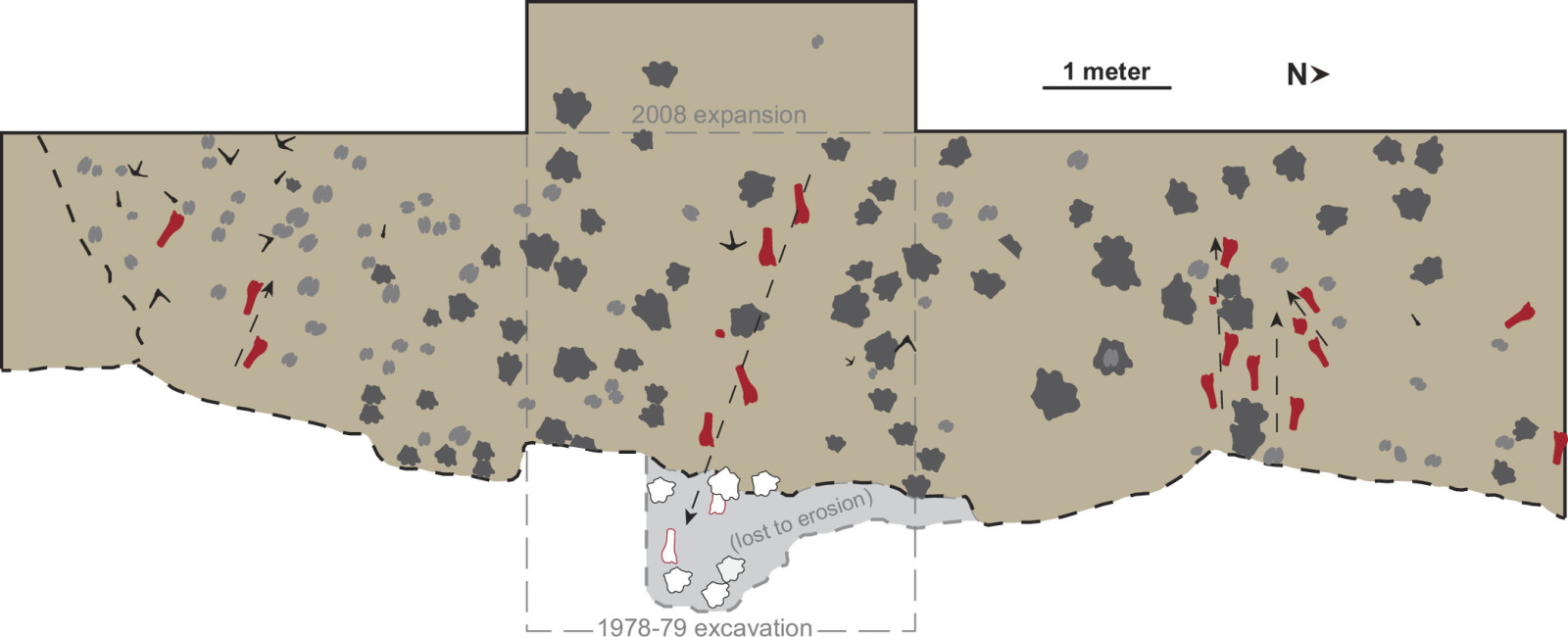
Additionally, nearby tracks reveal that footprints from both Paranthropus boisei and Homo erectus coexisted in this area, indicating these hominin species inhabited the region simultaneously.
“We can’t say how the two different hominins interacted on the mudflats, but we know they were both here at this time,” Behrensmeyersaid in remarks accompanying the publication.
Footprint Analysis Suggests Larger Body Size Than Once Thought
Previously, understanding of Paranthropus boisei stemmed mainly from skull fossils, resulting in a limited picture of the species’ overall stature. Its striking robust jaws and large teeth were well known, but body size estimations remained imprecise.
The footprint study offers new anatomical data. By examining gait dynamics alongside footprint sizes, scientists have determined that Paranthropus boisei likely matched Homo erectus in height and build, rather than being distinctly more robust.
“The sizes of the footprints indicate human-like body sizes – up to 1.8 meters tall and around 75 kilograms,” said Kevin Hatala, an evolutionary anthropologist at Chatham University and co-author of the study.
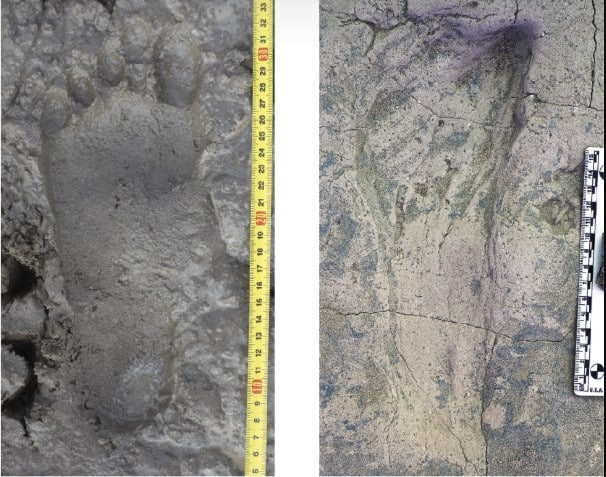
These findings contrast with earlier assumptions and enhance the skeletal record's insights, relying exclusively on the footprint data from the excavation.
Trackways Shed Light on Social Dynamics
The spatial pattern of footprints suggests how these ancient hominins moved within their environment. One notable sequence at GaJi10 shows that eight mainly adult male Paranthropus boisei individuals likely traveled together near the water’s edge.
Remarkably, there is no indication of females or juveniles in this group of tracks. This pattern hints that male members may have formed temporary groups, revealing a more intricate social structure than previously known.
Behrensmeyer highlighted that footprints offer a rare behavioral window beyond physical anatomy, stating:
“The special thing about footprints scientifically is that they preserve an instant in time. They also allow people to relate to these fossils much more easily than an isolated piece of bone or jaw.”
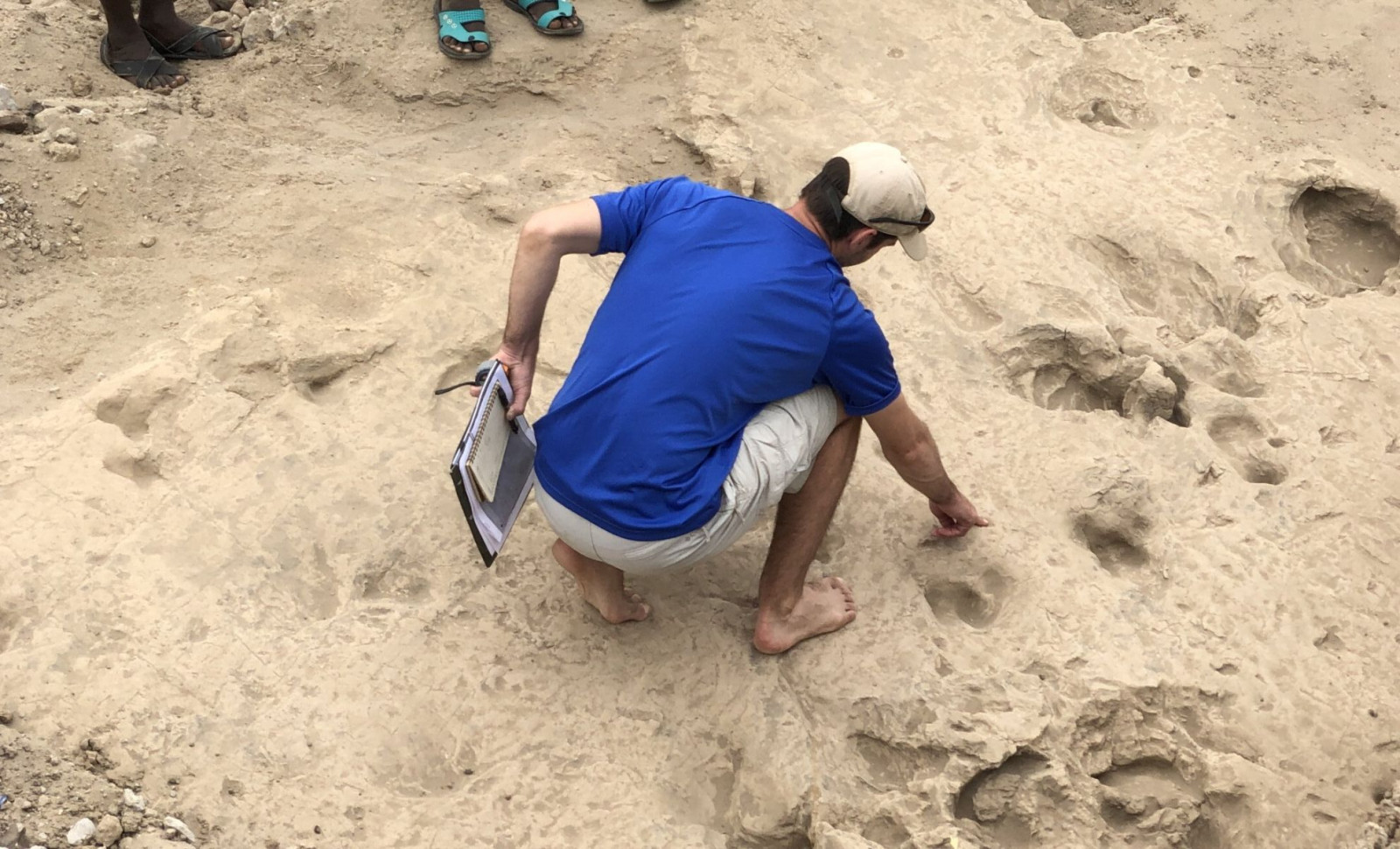
Without overinterpreting the evidence, these tracks enrich understanding of Paranthropus boisei by detailing its body size, coexistence with Homo erectus, and the likelihood that adult males occasionally journeyed together.
- Categories:
- Science






0 comments
Sign in to Comment