
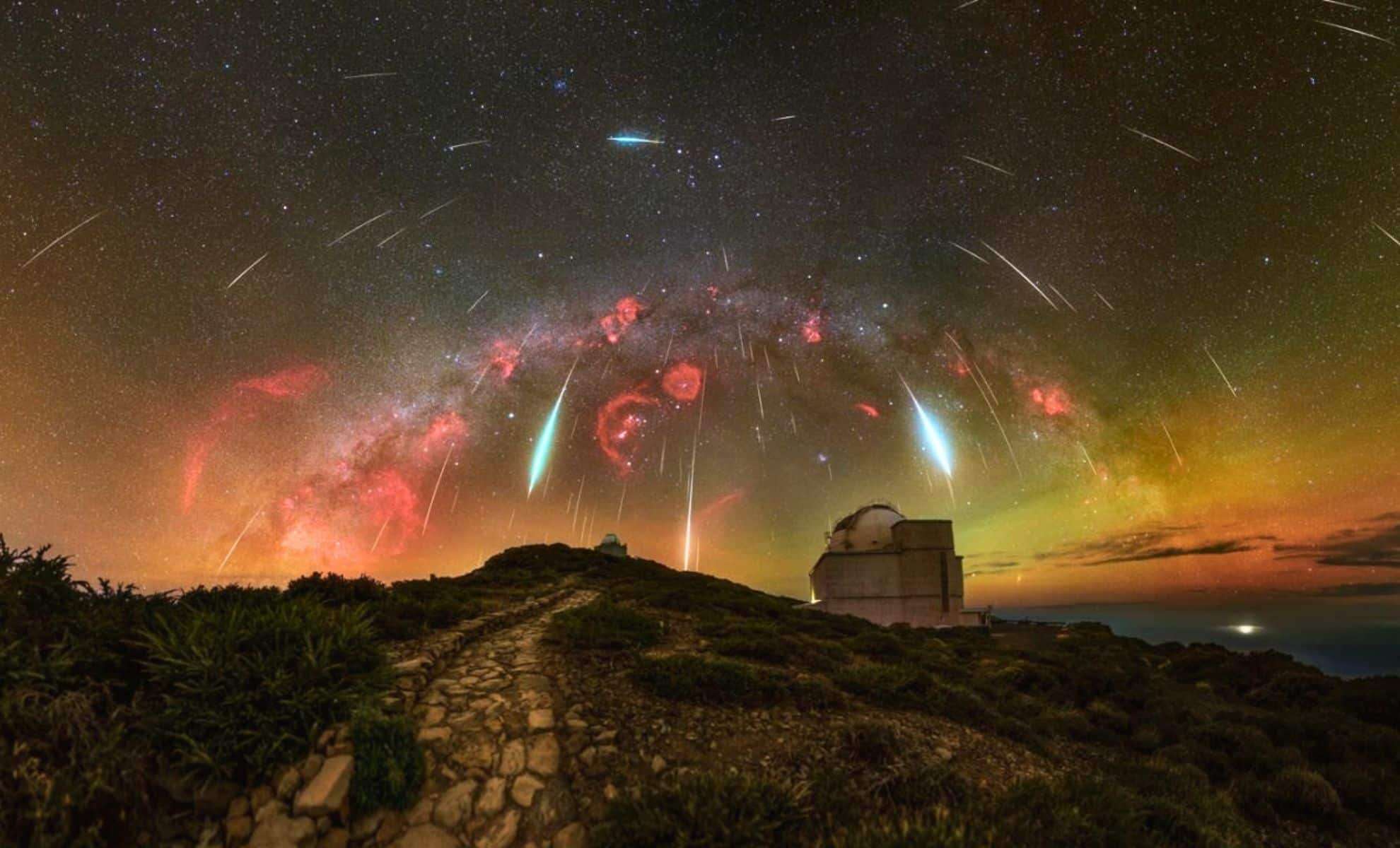
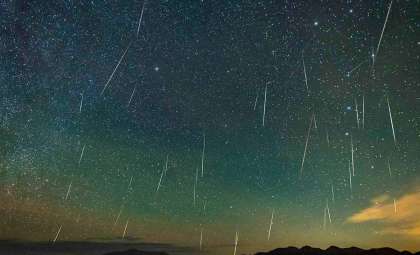
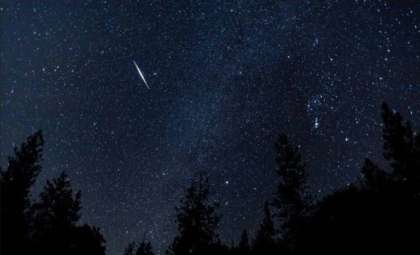
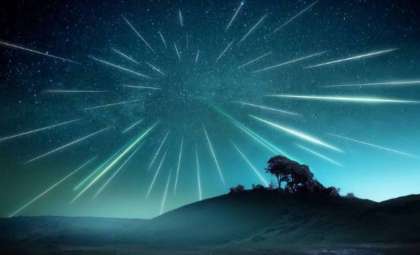
The 2024 Geminid meteor shower is gearing up to be one of this year’s most stunning celestial displays. Peaking on December 14-15, the event promises skywatchers a dazzling show featuring brilliant meteors blazing through the night sky. With visibility of up to 120 meteors per hour, it’s one of the prime meteor showers opportunities for astronomy enthusiasts in 2024.
Why the 2024 Geminids Are So Special
The Geminid meteor shower stands out due to its remarkably high meteor counts and vibrant colors. This year, astronomers predict an extraordinary performance. According to NASA, these meteors are notable for their “bright and colorful” trails that linger longer in the sky. Meteor specialist Robert Lunsford highlights that the Geminids often “surpass other showers in the number of meteors seen per hour.” Unique among meteor showers, the Geminids originate from 3200 Phaethon, a rocky asteroid rather than a comet, lending their meteors enhanced brightness and vivid colors.
An additional advantage this year is the favorable moon phase. With a new moon on December 13, the skies will be exceptionally dark, allowing the meteors to shine even more brilliantly. These nearly ideal conditions make the 2024 Geminids poised to be one of the decade’s most spectacular meteor showers.

@astro_alexandraDecember 13-14, 2024: Geminid meteor shower #space #astronomy #nasa #science #news
♬ original sound – ASTRO ALEXANDRA 🪐
Tips for Watching the Geminid Meteor Shower
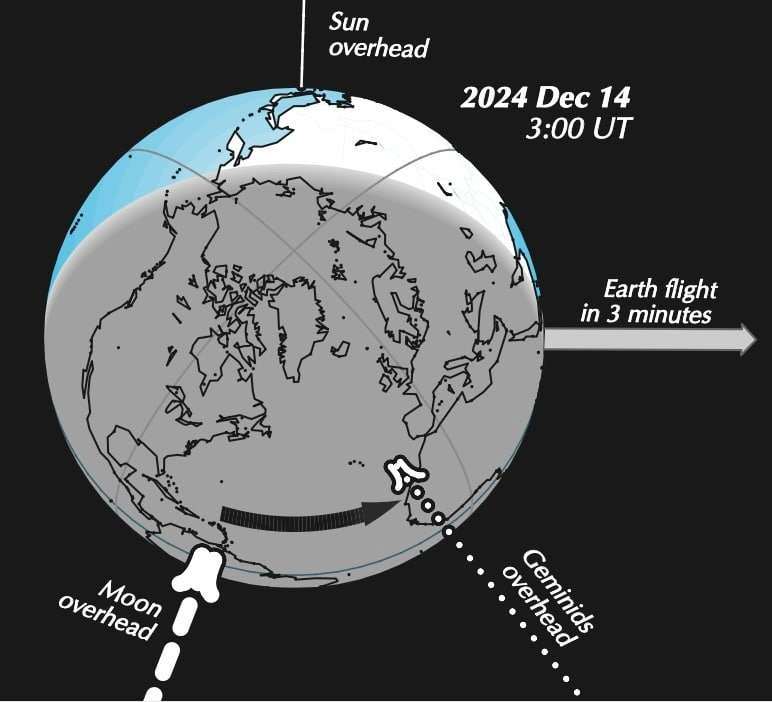
The Geminids differ from many meteor showers in their optimal viewing direction, with best sightings toward the northeast sky. Begin scanning the heavens at about 10 p.m. local time, but peak viewing typically happens after midnight, when the radiant near the Castor star in the Gemini constellation climbs higher above the horizon.
Bill Cooke, an astronomer at NASA’s Meteoroid Environment Office, recommends lying back in a dark spot and looking upward, emphasizing, “No optical aids like binoculars or telescopes are needed. Meteors can be seen clearly with the naked eye.” Aim to find locations far removed from artificial lights for the clearest experience.
Best Viewing Locations for the Geminids
Though visible globally, the most impressive Geminid displays come from areas with minimal light pollution. Observers in rural settings or those traveling to isolated spots will enjoy the most vivid skies. Across the United States, the shower will be visible from Alaska down to Florida. In Europe, wide visibility covers much of the continent, while Australia will catch partial views, albeit with the peak happening during daylight.
Locations such as mountain peaks, deserts, and designated dark-sky reserves are especially ideal for full spectacle immersion. The International Dark-Sky Association highlights numerous global sites perfect for meteor observation.
The Science Behind the Geminid Meteor Shower
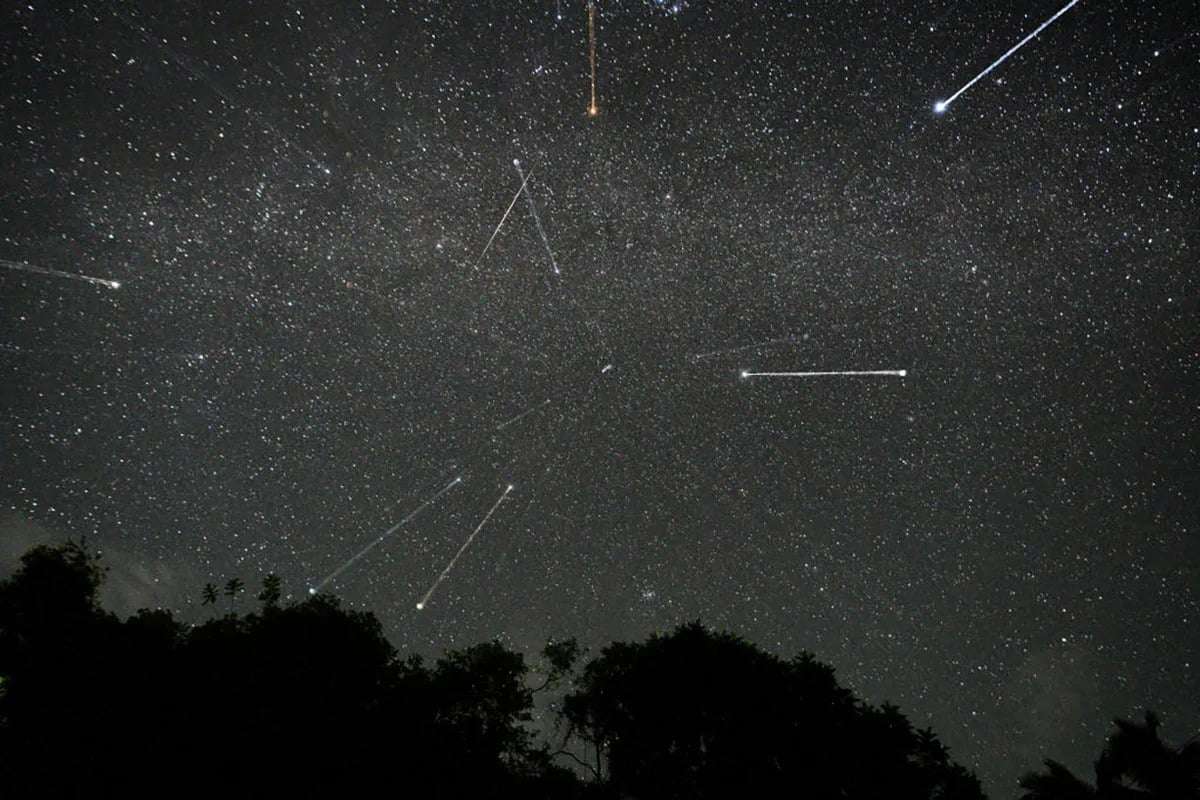
The distinctive origin of the Geminids is what truly differentiates this shower. Rather than originating from comet dust like most showers, Geminids stem from a rocky asteroid named 3200 Phaethon. This object orbits the Sun every 1.4 years and serves as the meteor stream’s “parent body.” During its close solar passes, Phaethon sheds debris that enters Earth’s atmosphere, igniting into the spectacular Geminid meteors.
The rocky composition of Phaethon’s dust causes the meteors to burn at greater heights, leaving brighter, longer-lasting trails across the night sky. This unique trait makes the 2024 Geminid meteor shower among the brightest and most impressive each year.
Could the 2024 Geminids Hold Any Unexpected Surprises?
Meteor showers always carry some unpredictability, and the Geminids are known to occasionally exhibit sudden bursts of meteor activity. The American Meteor Society has documented “outbursts” where meteor rates abruptly spike. Though such events cannot be forecasted precisely, conditions point to an especially active year in 2024.
Viewers may also enjoy seeing a range of meteor colors, depending on their chemical makeup, including:
- Yellow: iron and magnesium
- Green/blue: nickel and magnesium
- Purple: calcium-rich composition
- Blue: magnesium combined with ionized calcium
- Red and orange: sodium, potassium, nitrogen, and oxygen
The variety in hues arises from the different elements vaporized as meteors blaze through the atmosphere, creating a rich and colorful nighttime spectacle.
- Categories:
- Astronomy ,
- Space






0 comments
Sign in to Comment