
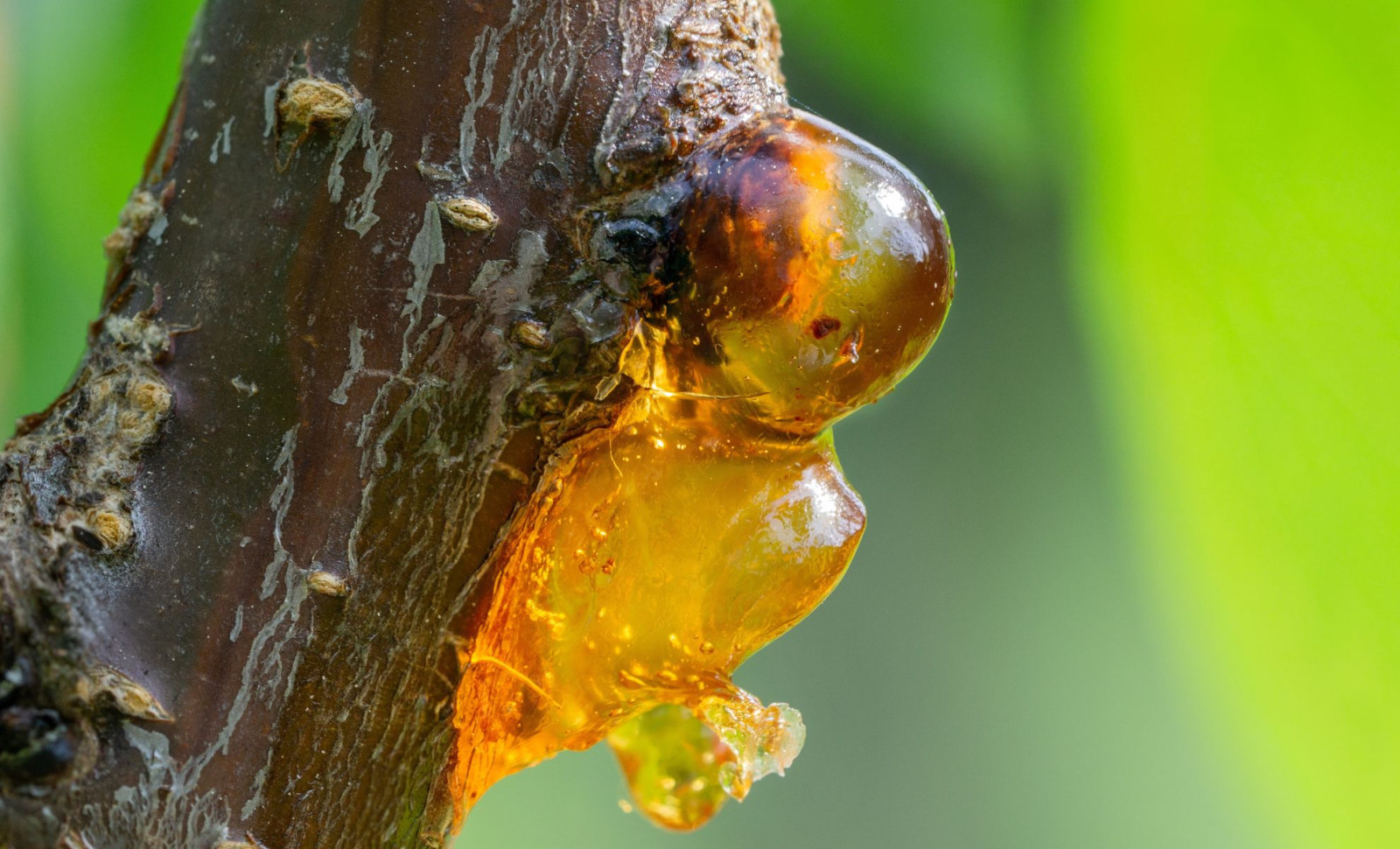
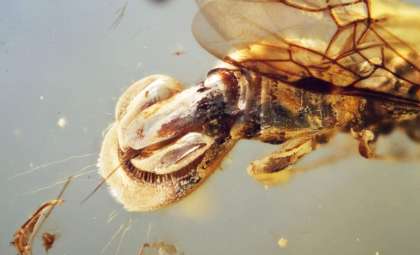
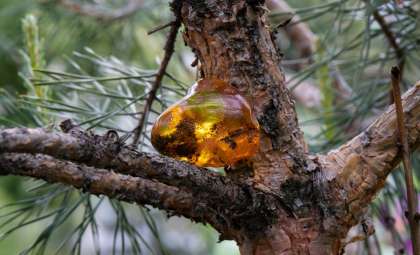
A remarkably preserved arachnid fossil, aged around 35 million years, trapped in amber, is reshaping scientists' understanding of harvestmen evolution. Discovered in the Baltic region and Ukraine, this specimen represents a group that no longer inhabits Europe. The findings, detailed in Acta Palaeontologica Polonica, mark the first known fossil evidence of this lineage.
The species, named Balticolasma wunderlichi, originates from the Eocene epoch and belongs to the Ortholasmatinae subfamily. Members of this group are known for their intricate body structures and are currently absent from the European continent.
Currently found only in East Asia and the Americas, these arachnids were once widespread across the northern hemisphere, a fact now supported by this new fossil evidence.

Unexpected Discovery from Two Amber Sources
The species identification is based on two specimens preserved in distinct varieties of amber. One, considered female, was retrieved from Rovno amber in northwestern Ukraine, and the other, deemed male, originated from Baltic amber. Both samples were initially part of private collections in Germany and Lithuania before being donated to the Museum für Naturkunde Berlin.
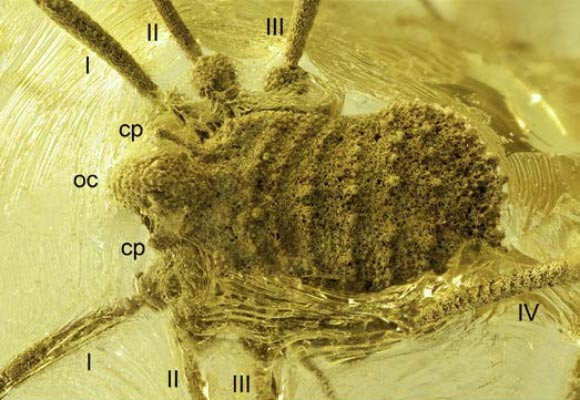
The presence of the fossil in two geographically separate amber deposits indicates a broader habitat range for the species. Paleontologist Christian Bartel commented:
“the discovery of an ortholasmatine harvestman in European amber deposits surprised us,” a reaction tied to the absence of this group in modern European ecosystems.
Detailed Anatomy of a Complex Ancient Arachnid
The Ortholasmatinae subfamily is recognized for its complex body designs. According to the published research, only seven extant genera encompassing 27 species exist today, with fragmented geographical distributions.
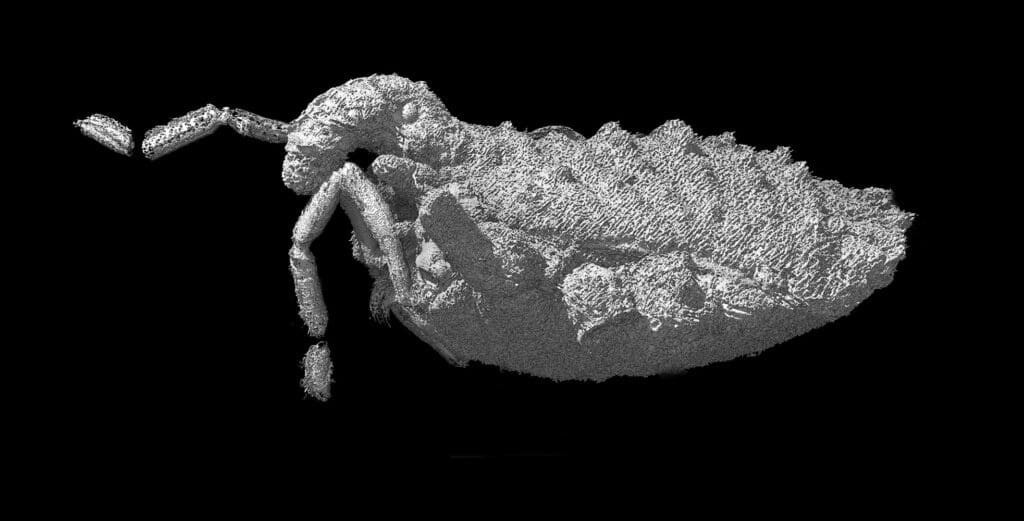
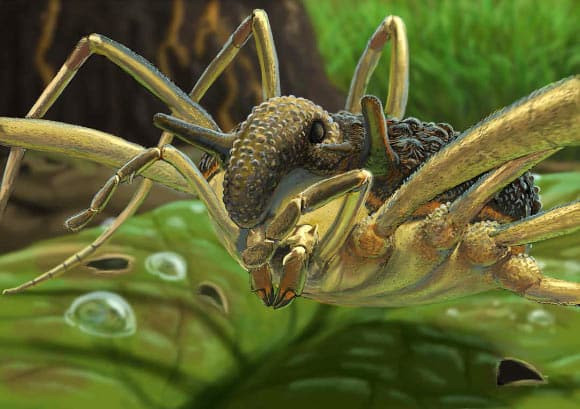
Utilizing synchrotron microtomography, scientists created a highly detailed reconstruction of the arachnid’s body. Measurements showed it was under 3 millimeters in size, featuring a flattened form, rows of tubercles, and a distinctive forward-curving hood-like shield, all traits shared with today's relatives.
Evidence of a Historically Vast Distribution
The finding emphasizes how this group once had an extensive range. Bartel highlighted the contrast with present-day distribution patterns.
“Relatives of these animals are currently found only in East Asia as well as in North and Central America.” He added that: “evidently, 35 million years ago, during the Eocene epoch, these harvestmen were much more widely distributed across the northern hemisphere than they are today.”
These fossils provide a glimpse into Europe’s distant past, revealing that this group was once part of its ecosystems prior to disappearing from the region.
- Categories:
- Science








0 comments
Sign in to Comment