
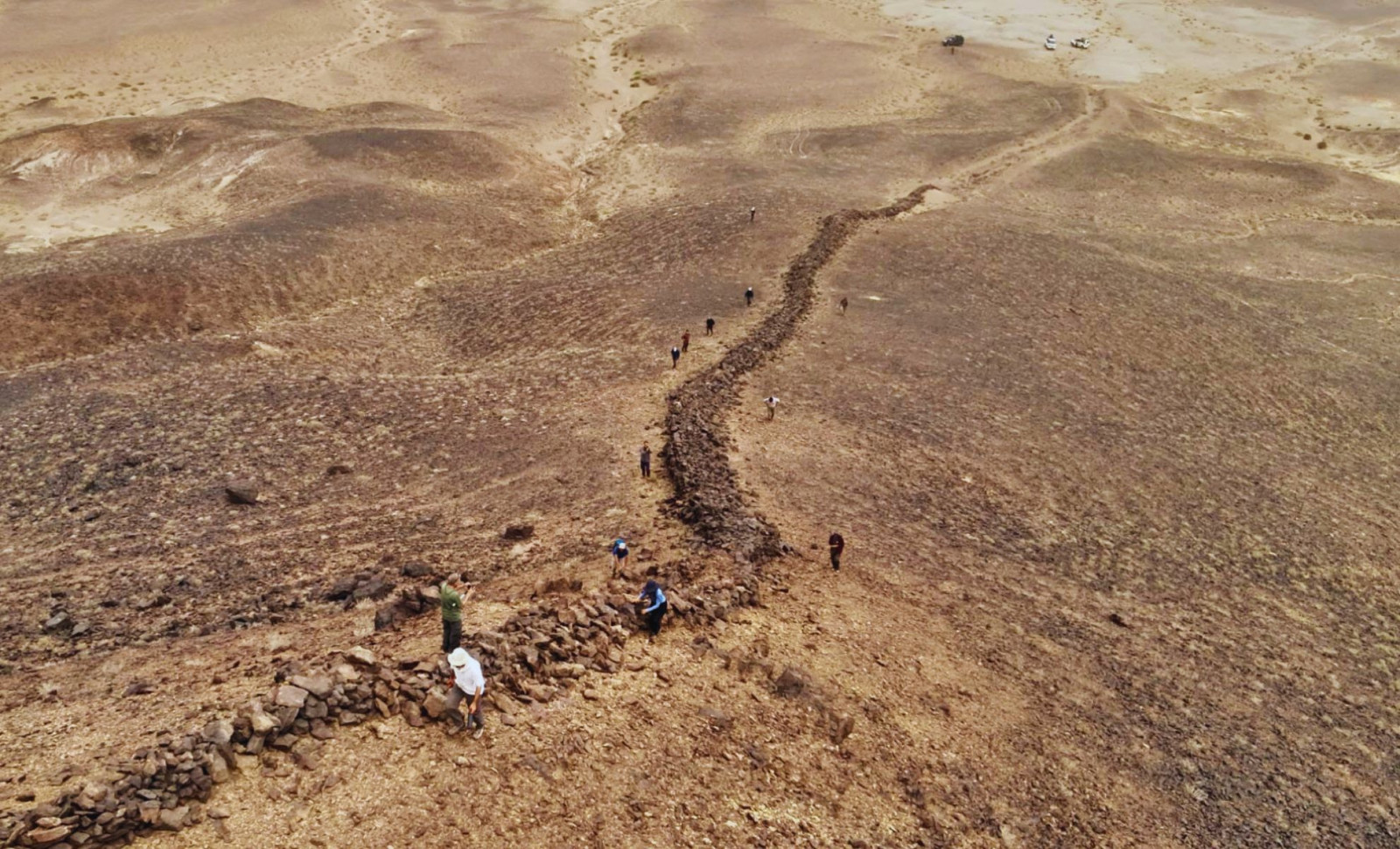
An immense barrier cutting through Mongolia’s arid landscape is reshaping archaeological perspectives. Known as the Gobi Wall, recent discoveries indicate it served more than a defensive role. It functioned as a strategic tool to regulate movement, manage resources, and assert territorial control during the Xi Xia Dynasty.
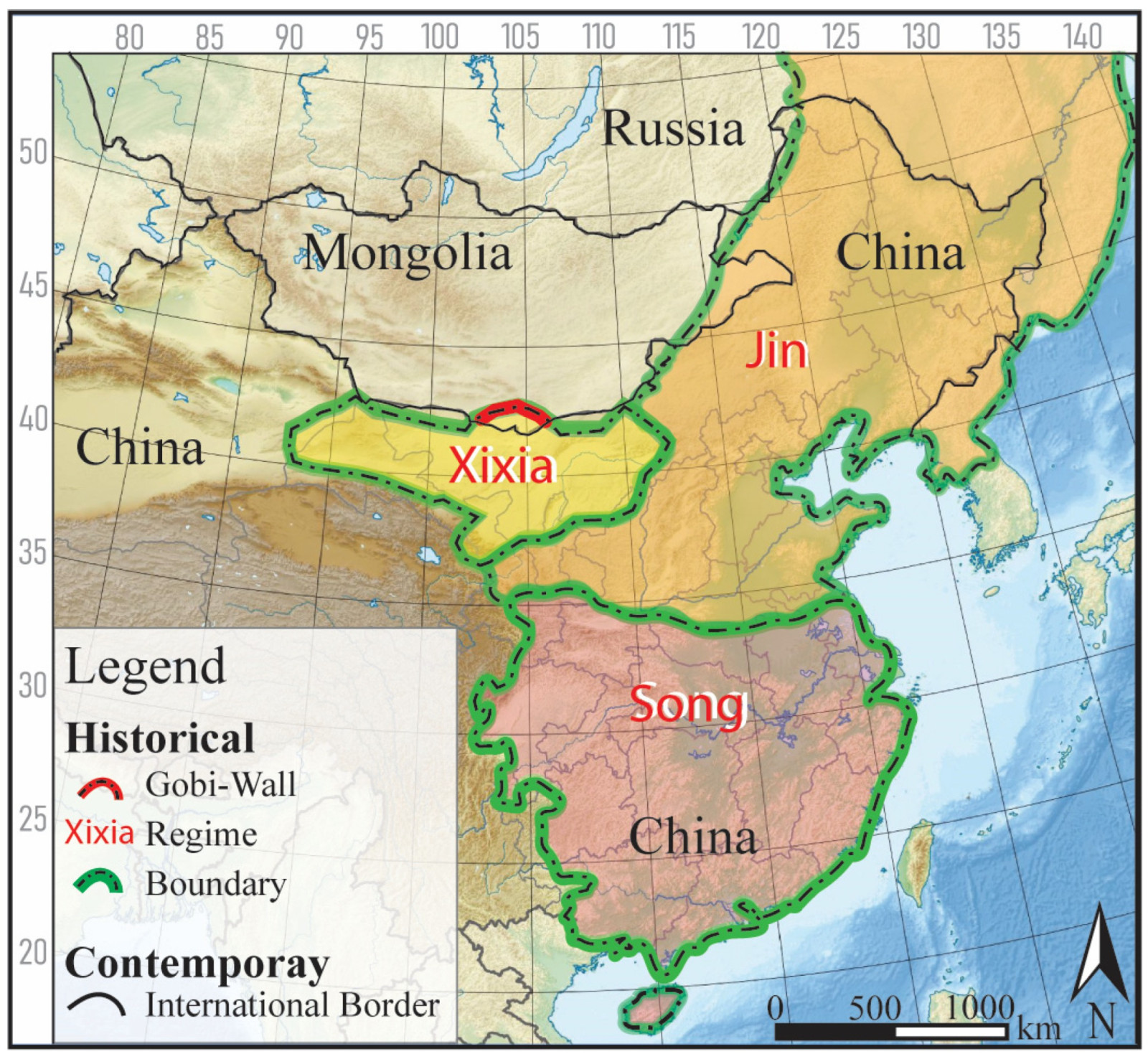
This structure is a segment of the extensive Medieval Wall System, extending roughly 4,000 kilometers over northern China, parts of Mongolia, and Siberia. Despite its vast length, many portions remain poorly explored, especially the harsh Gobi Desert segment. Researchers concentrated on a 321-kilometer section to determine its origin, creators, and purpose.
Constructed Amidst Political Upheaval
Findings reveal that the wall’s primary construction and utilization align with the reign of the Xi Xia Dynasty, governed by the Tungut people. This era was characterized by significant territorial expansion and evolving frontier management.

A study published in the journal Land links other sections of the wall system to the 10th through 13th centuries, and the Gobi Wall fits neatly within this period. The detection of military outposts along the fortifications suggests a coordinated defensive and administrative network.
“It represents one of the most extensive yet enigmatic architectural features in East Asia.” reported Hebrew University’s Professor Gideon Shelach-Lavi and his colleagues.
More Than Mere Defense
The most captivating insight from the research addresses the wall's broader role beyond protection. As explained by Professor Shelach-Lavi:
“The Gobi Wall was not just a barrier, it was a dynamic mechanism for governing movement, trade, and territorial control in a challenging environment.”
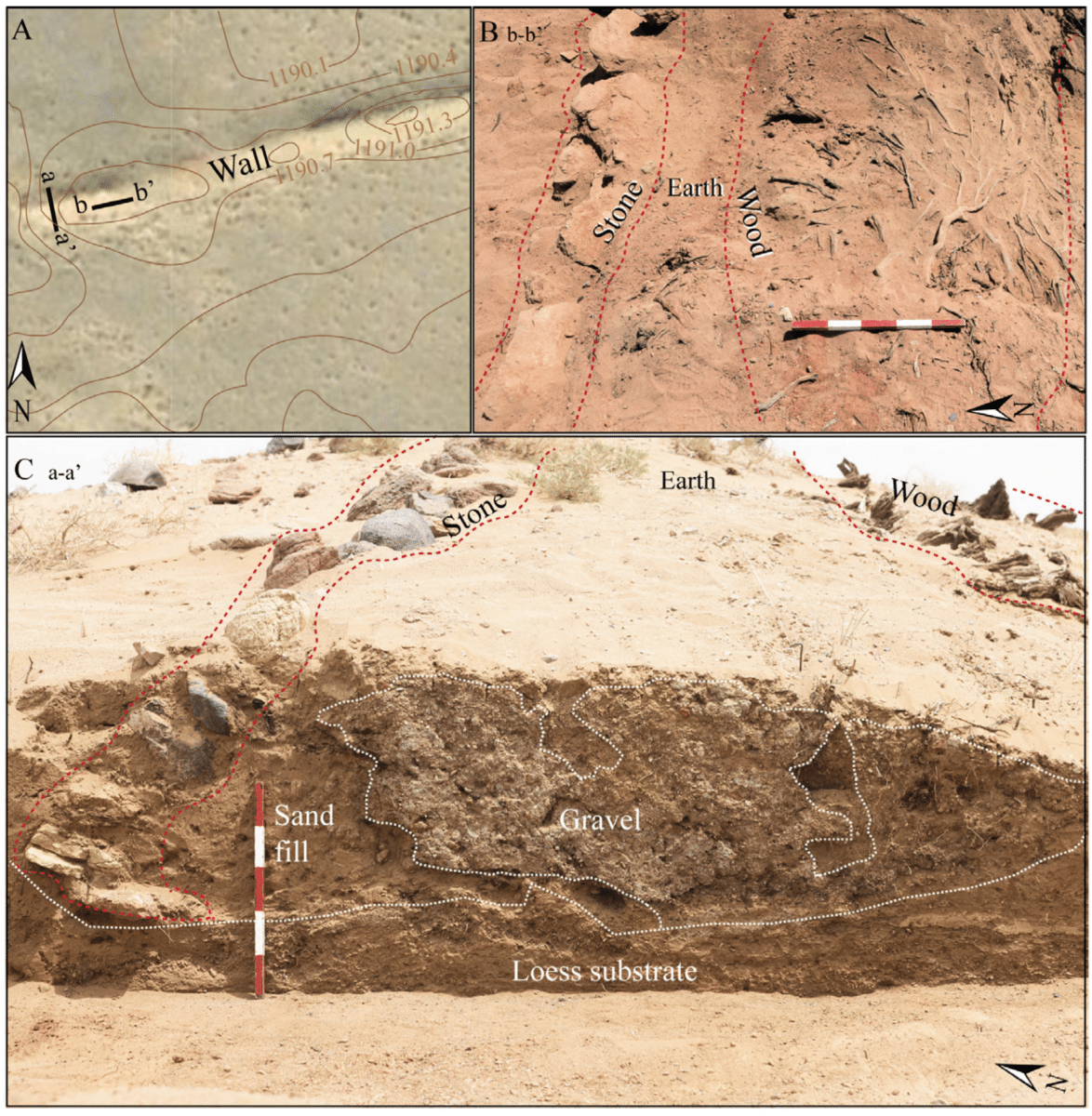
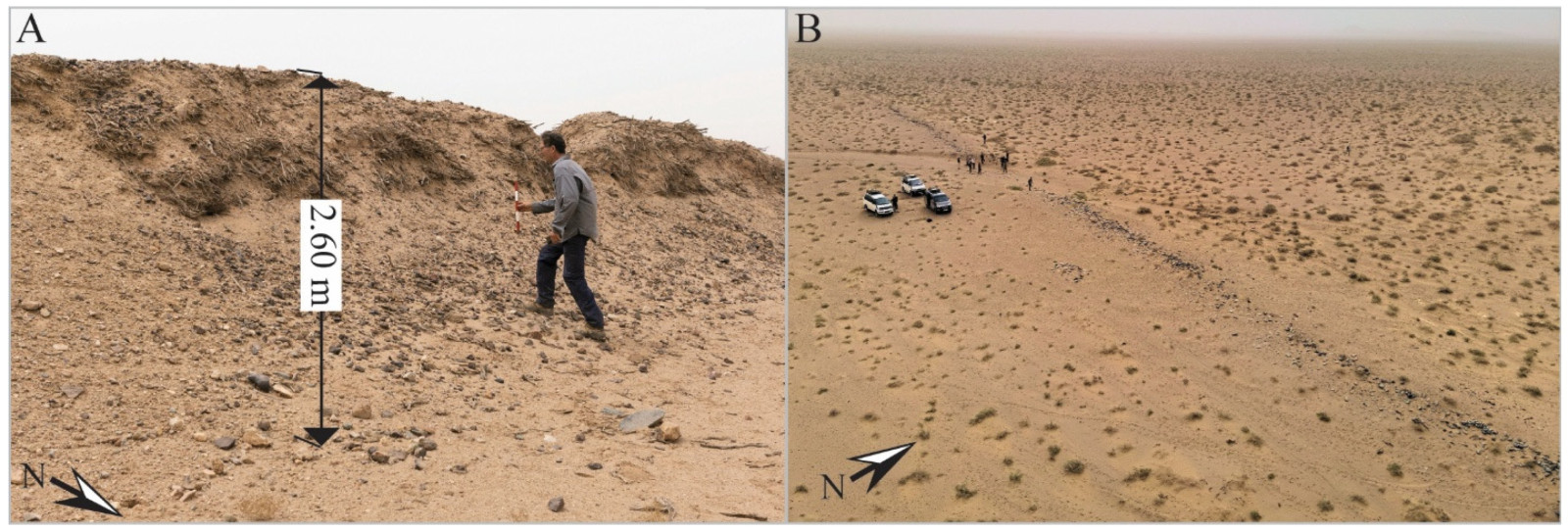
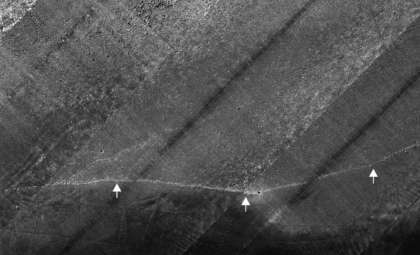
The findings highlight that the structure enabled regulation of passage through the terrain and oversight of vital resources like wood and water. Constructed primarily from compacted earth alongside local stone and timber, the wall follows a deliberate alignment. Fortifications were strategically positioned at water supplies and natural corridors such as mountain passes to optimize surveillance and access control.
A Continuously Used Frontier
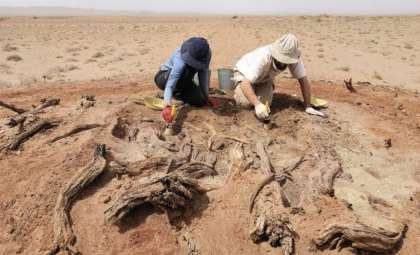
Although most active during the Xi Xia era, evidence indicates human engagement with the site spanned a remarkably long timeline. Traces of occupation date back to the 2nd century BCE and persist through the 19th century CE.
Artifacts found at the location demonstrate recurring use, underscoring the enduring significance of this route. The team suggests that frontier boundaries were fluid, functioning as “dynamic administrative infrastructures” for managing populations, resources, and territories over centuries.
- Categories:
- News








0 comments
Sign in to Comment