
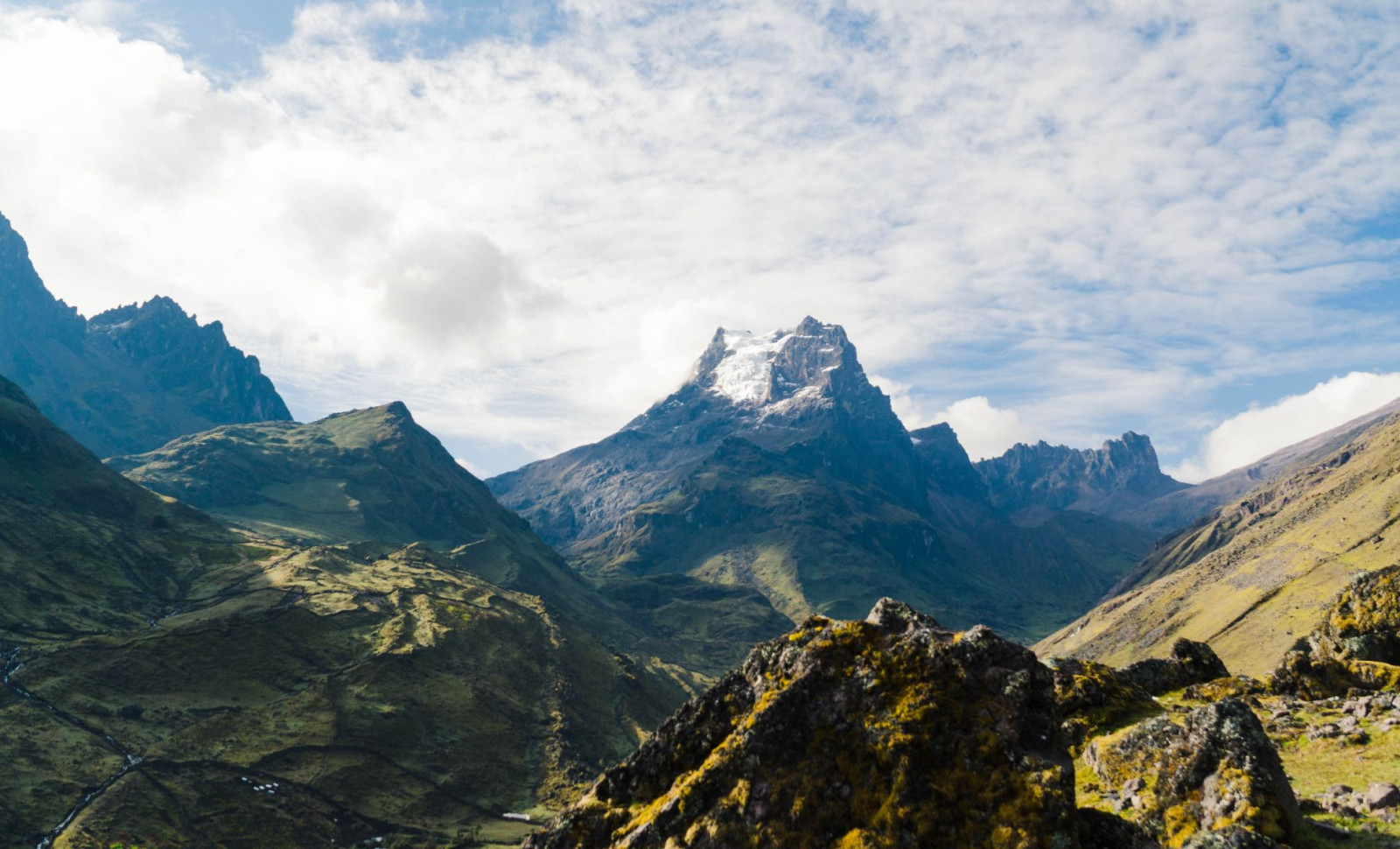
Preserved for over 500 years in the freezing heights of the Andes, several Inca child mummies continue to provide valuable information. Advanced CT imaging now allows researchers to delve deeper into their health conditions and post-mortem treatment.
These remains were uncovered near the peaks of isolated Peruvian mountains, where harsh altitude and aridity have kept them remarkably well-preserved. The children were victims of the capacocha ritual, a key ceremony of the Inca civilization, believed to serve as spiritual emissaries when placed near sacred mountain sites.
Today’s non-intrusive imaging technology enables detailed examinations that were not possible at the time of discovery. A recent investigation applied CT scanning to four mummies recovered from the volcanoes Ampato and Sara Sara.

Flaws Beneath the Surface
The research, published in the Journal of Archaeological Science: Reports, focused on four young individuals: girls approximately 8, 10, and 14 years old, including the famous “Ice Maiden” or Momia Juanita, discovered in 1995 nearly 19,000 feet (5,800 meters) above sea level on Mount Ampato.
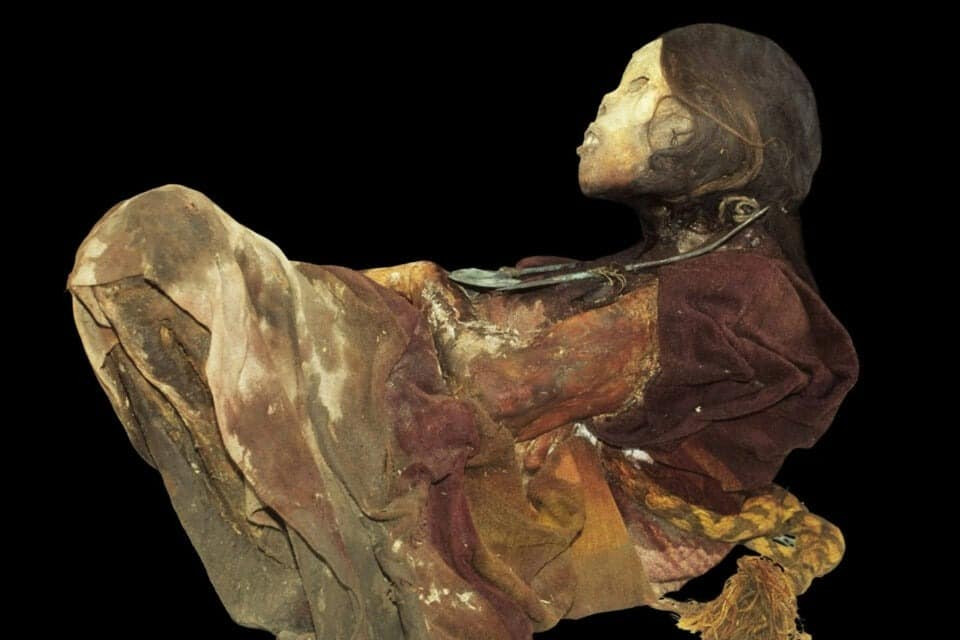
Medical imaging disclosed that some children showed evidence of illnesses. The 8-year-old displayed an enlarged esophagus likely caused by Chagas disease, a parasitic illness still endemic in the area. In addition, lung scarring suggested possible past tuberculosis infection.
This challenges early Spanish accounts, which often described sacrificial children as flawless. Archaeologist Dagmara Socha from the University of Warsaw commented:
“Our findings show that chroniclers’ accounts should be treated with caution.” She added, “Although historical sources describe the children as physically perfect and without flaws, modern scientific analyses reveal a very different reality.”
Signs of Pre-Mummification Preparation
The scans revealed an intriguing detail about the 10-year-old girl from Mount Ampato: several internal organs were absent.
According to research noted by Live Science, spaces within her torso were filled with stones and textile fragments. Her body was then meticulously wrapped and positioned in a seated posture with knees bent near the chin before its placement on the mountain peak.
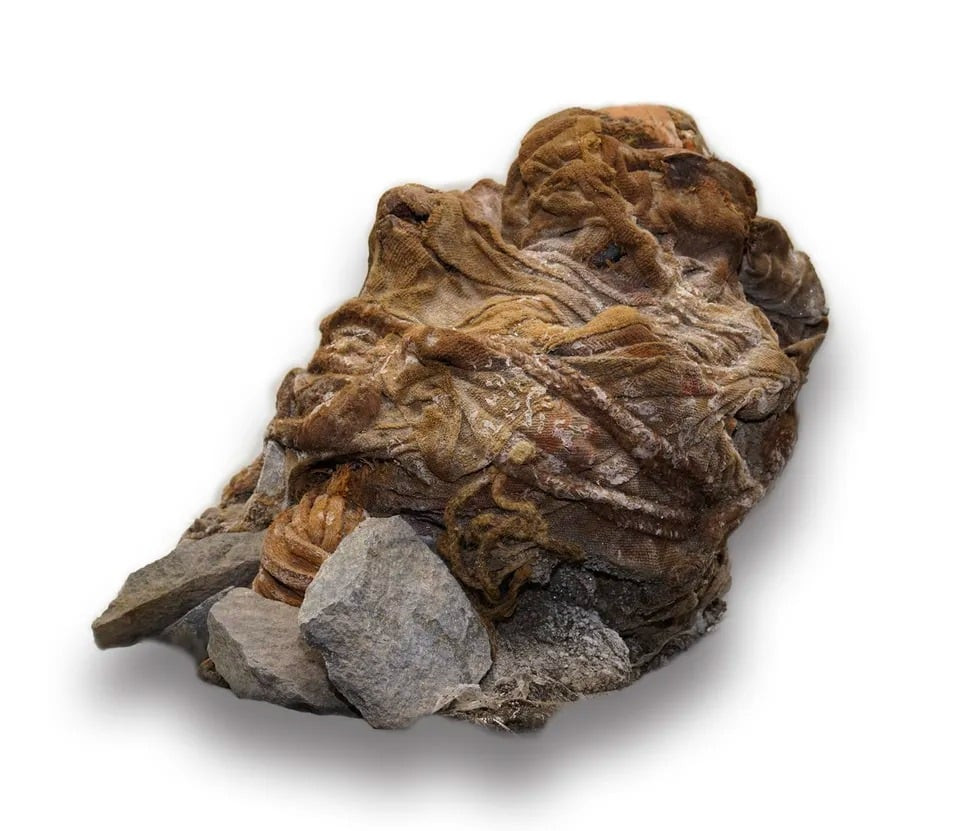
This represents the earliest proof that one Andean ice mummy underwent deliberate preparation for preservation. The team proposes this process was meant to remedy perceived physical imperfections before burial in a revered location.
“This may reflect the general living conditions within the Inca Empire, but it may also indicate that European chroniclers did not fully understand what the Incas themselves considered ‘ideal,’” noted Socha.
Children as Sacred Messengers
Historical documents describe how the Inca selected youths for sacred rituals, placing their bodies on sacred mountains after sacrifice. CT imaging points to severe head trauma as likely cause of death for these four children, possibly inflicted with a wooden club. As Socha explains, the youths were regarded as spiritual envoys.
“The evidence suggests that these children … continued to function as mediators between the living community and the divine Apus [Andean deities] long after their deaths.”
Centuries on, these frozen remains preserved at inaccessible heights still provide crucial insights into the intersection of ritual, faith, and authority within Inca culture.
- Categories:
- Science



0 comments
Sign in to Comment