
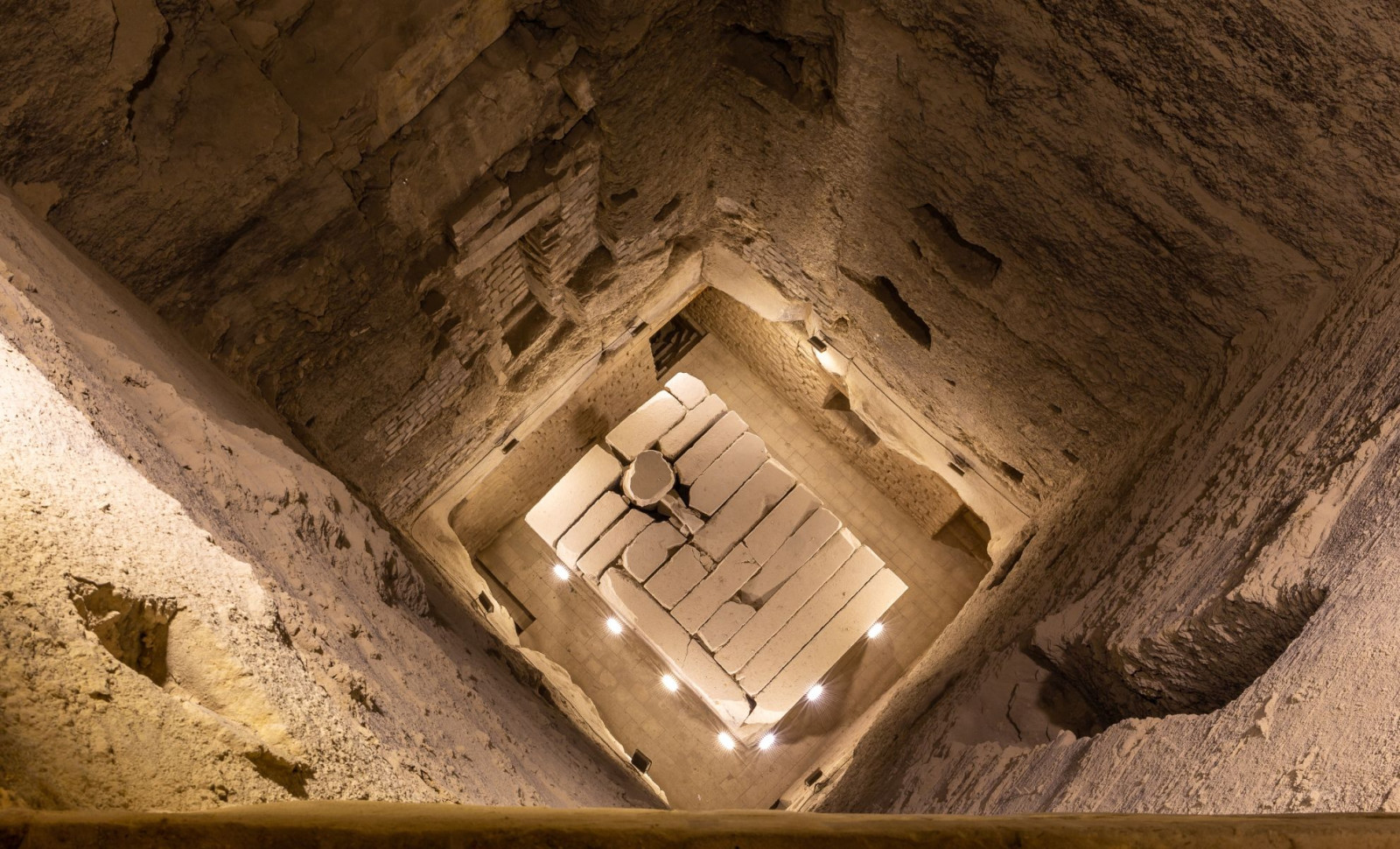
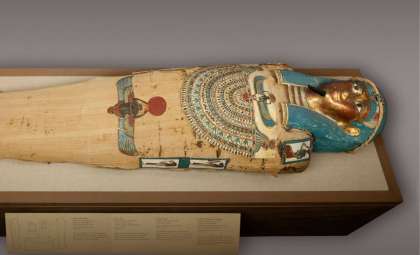
In a remarkable find near Luxor, Egypt, archaeologists have uncovered 22 impeccably preserved painted coffins nestled within a secret underground chamber. These coffins provide valuable insights into the burial customs of ancient Egyptians and have survived the ages in outstanding condition.
Included within these coffins are mummified bodies, found at a notable archaeological locale. What heightens the importance of this discovery is the presence of a unique title linked to some individuals, potentially shedding new light on the historical roles of women in ancient Egyptian society.
Revealing Egypt’s Hidden Burial Sites
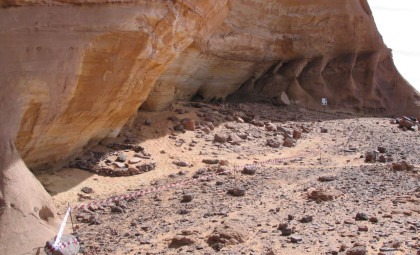
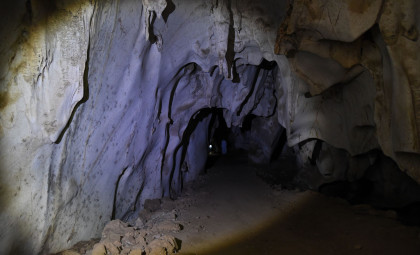
The coffins were located in a rock-hewn chamber in the Qurna district, part of the vast Theban Necropolis situated on Luxor’s western bank. This bedrock-carved chamber seems to have served as a secondary storage space for coffins relocated from older tombs.

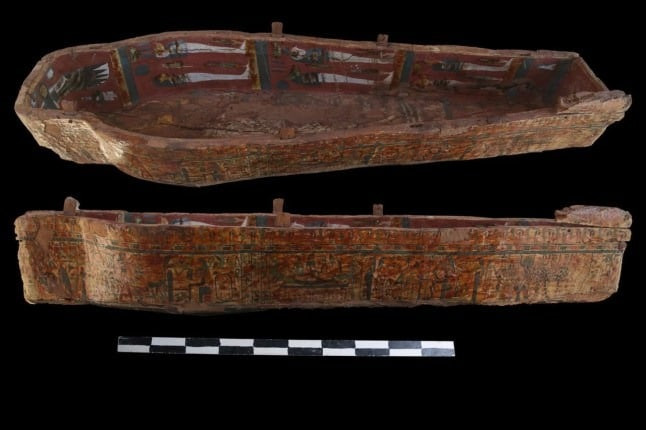
The 22 coffins were arranged in multiple layers spanning ten horizontal tiers, with lids deliberately removed to conserve space. This meticulous placement suggests a thoughtfully organized reburial process rather than a rushed effort. Interestingly, most coffins still hold preserved mummified remains, a rare occurrence given that reburials often disturb the bodies.
Who Were the “Singers of Amun”?
A large portion of these coffins seems to belong to women holding the esteemed designation “Singer of Amun.” These women played a pivotal role in worship ceremonies dedicated to Amun, one of ancient Egypt’s principal gods.
Dr. Zawi Hawass, heading the excavation, states that this finding expands our understanding of women's influence in both spiritual and societal contexts in ancient Egypt. The title “Singer of Amun” signified active participation in temple rites and suggested significant communal influence.
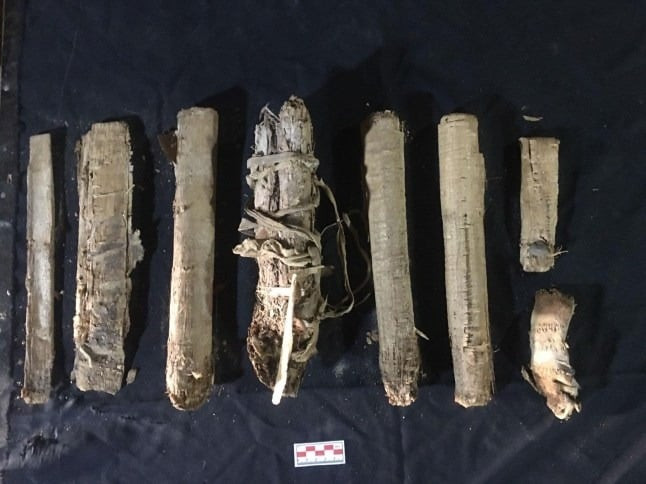
Although most coffins lack personal names, some display professional titles, offering hints about the identities and statuses of the individuals interred.
A Wealth of Archaeological Finds
As reported by Metro UK, the discovery also included rare papyrus manuscripts stored within sealed clay jars. These vessels were found with their original seals intact, and the texts will be carefully conserved and interpreted over the coming months.
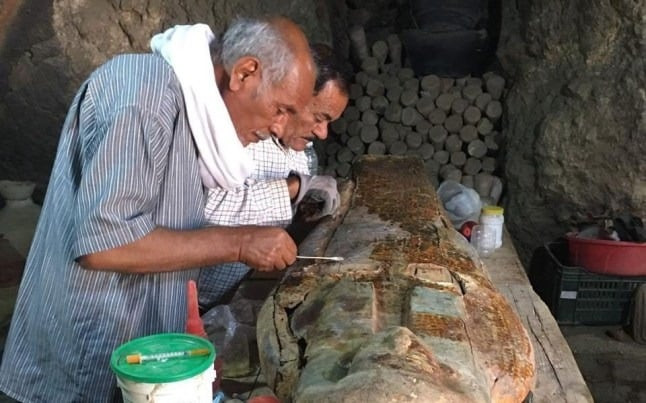
Sharif Fathi, Egypt’s Minister of Tourism and Antiquities, hailed the find as a “remarkable new chapter in Egypt’s distinguished archaeological heritage.” Given the fragile state of the artifacts, the restoration effort is meticulous and prolonged. As explained by Dr. Hawass:
“Because of the poor condition of the timber, the mission’s restoration team intervened for urgent maintenance procedures.” he added, “(This includes) treatment of the wood fibres and weakened coloured plaster layers, thorough mechanical cleaning to remove stains without affecting bright colours.”
- Categories:
- Science


0 comments
Sign in to Comment