
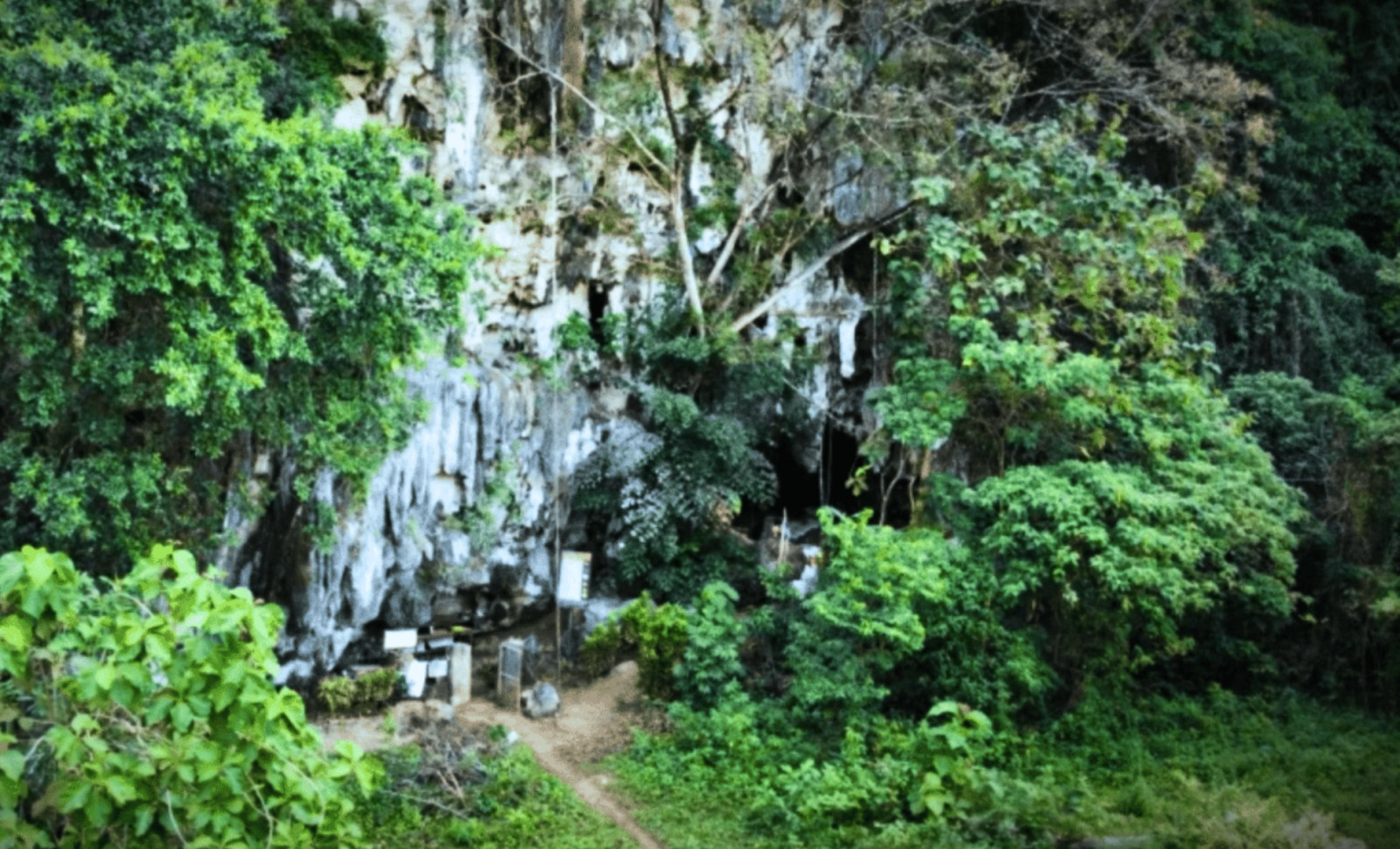
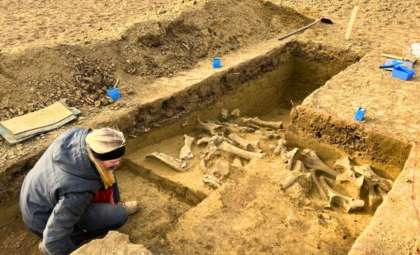
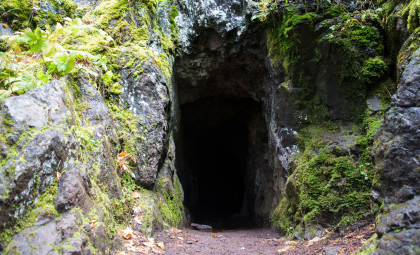
Researchers have excavated stone implements and animal processing remains nearly eight meters beneath the surface of a limestone cave in South Sulawesi, Indonesia. These artifacts point to a humanlike group inhabiting the region between approximately 132,000 and 208,000 years ago. This discovery was made at Leang Bulu Bettue, a cave and rock shelter complex within the Maros-Pangkep karst region, noted for its continuous archaeological layers from the Middle Pleistocene through the late Holocene.
The investigation, spearheaded by Basran Burhan and Adam Brumm from Griffith University and published in PLOS ONE in December 2025, is based on seven excavation campaigns starting in 2013. Findings from the deepest strata prompt intriguing questions about Southeast Asia’s ancient human inhabitants predating Homo sapiens.
Early Stone Tool Culture Preceding Modern Human Arrival
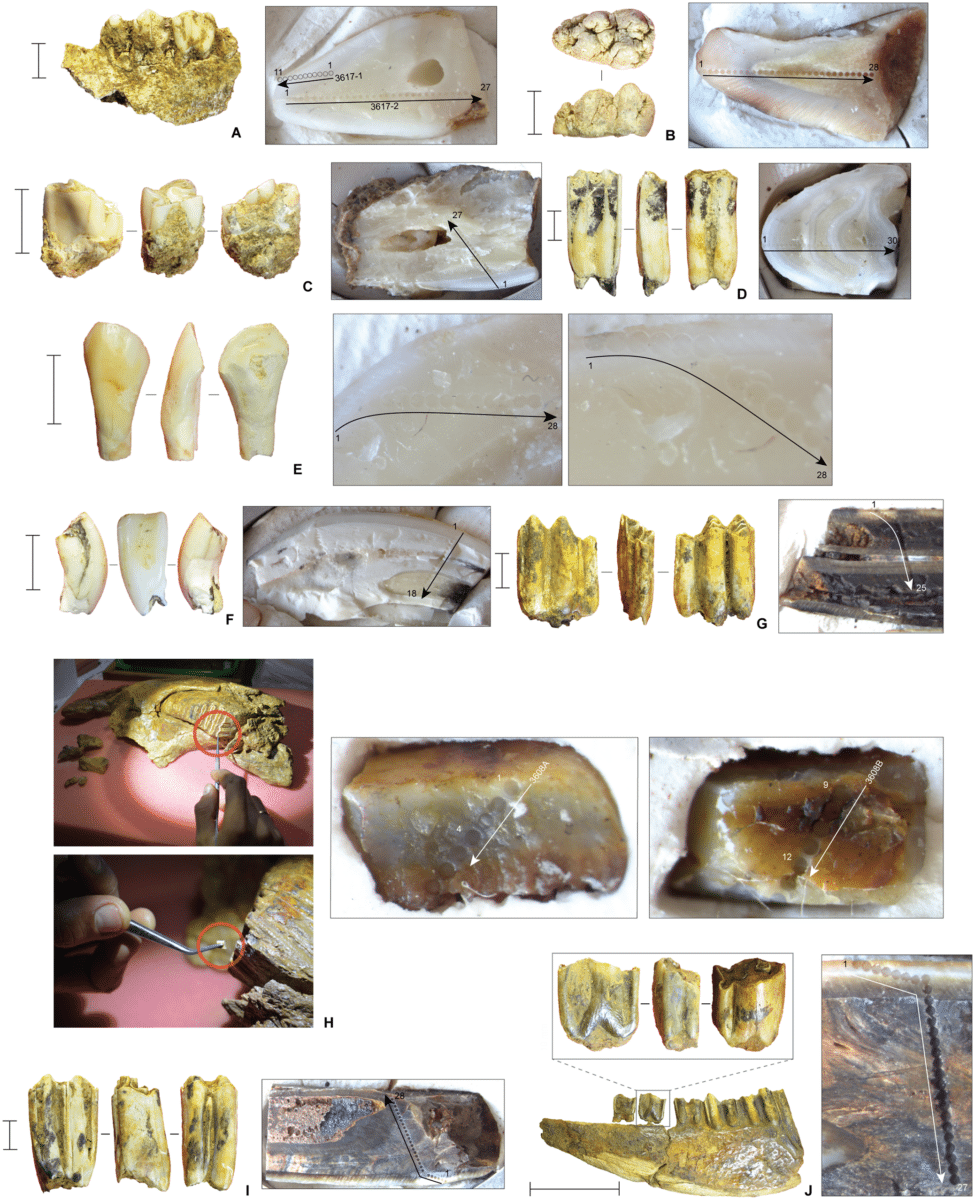
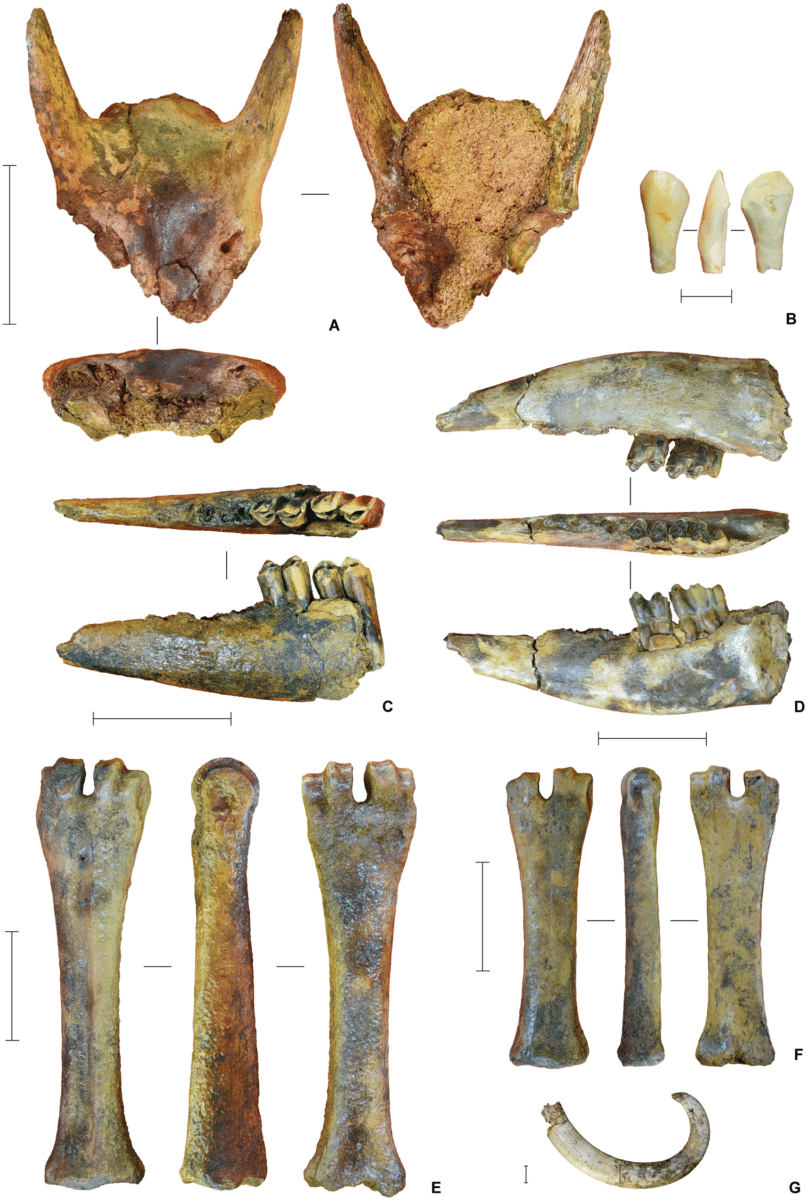
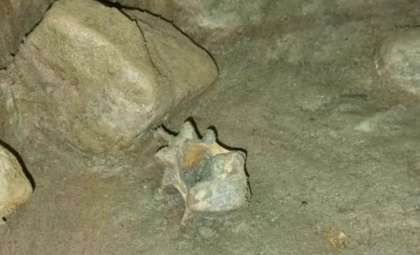
The team identified an initial occupation period, termed Phase I, characterized by a lithic technology centered on cores and flakes made from cobbles. Among the discoveries is a stone "pick", a robust tool that showcases the technical skill and environmental adaptation of its creators. Animal bone evidence from these layers reveals signs of butchery, predominantly targeting dwarf bovids called anoas, and includes remains of extinct proboscideans.

Despite the lack of hominin fossils at the site, earlier research indicates archaic hominins inhabited Sulawesi as far back as 1.04 million years ago.
The researchers propose Homo erectus or a miniature, island-adapted form of this species as the most likely toolmakers. They also suggest Denisovans as a possibility, given genetic data linking modern Aboriginal and Melanesian populations to Denisovan ancestry, and the probability that Sulawesi within Wallacea served as a site of this ancient interbreeding.
Distinct Cultural Shift Approximately 40,000 Years Ago
The archaeological record at Leang Bulu Bettue reveals a stark cultural transformation above the older layers.
Around 40,000 years ago, the Phase I tradition was supplanted by a new material culture featuring unique stone tool techniques, ochre usage, portable art such as engraved stones, and personal adornments crafted from animal bones and teeth. These findings represent some of the earliest recognized evidence of artistic and symbolic expression on the island.
Brumm interprets this as a significant demographic and cultural turnover. As Indian Defence Review notes, the authors suggest that this change likely corresponds with archaic hominin populations being replaced by incoming Homo sapiens, although this remains a hypothesis awaiting further confirmation.
The earliest secure evidence for modern humans in Sulawesi includes a cave painting at the nearby Leang Karampuang site, uranium-series dated to at least 51,200 years ago.
Sulawesi’s Role in Early Human Migration
Leang Bulu Bettue holds wider significance as Sulawesi lies along a key corridor believed to have been used by early modern humans dispersing from the Sunda continental shelf toward Sahul, the Pleistocene landmass of Australia and New Guinea. The island was potentially a crucible where various hominin groups moved through or settled at different periods.
Before these excavations, a notable chronological gap existed in Sulawesi’s archaeological record between archaic hominin sites and evidence of Homo sapiens.
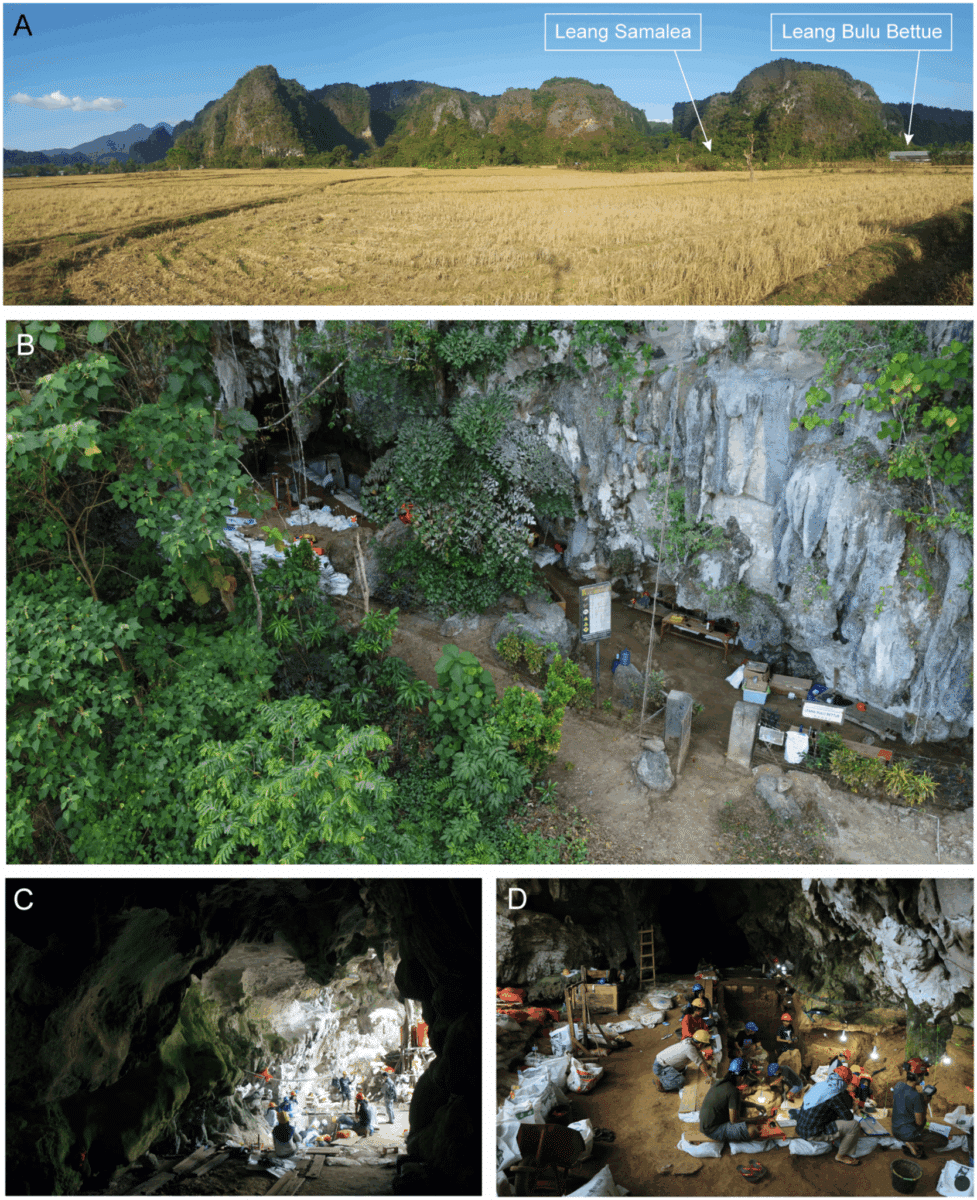
Its almost uninterrupted stratigraphy, extending about eight meters below the surface and spanning from the Middle Pleistocene to the late Holocene, sets this site apart as uniquely continuous in the region.
Deeper Excavation Promises Further Insights
Ongoing exploration at Leang Bulu Bettue continues, with unexplored sediment layers beneath the current depth possibly holding even older artifacts and traces of early hominin presence in Indonesia.
Burhan emphasized that future discoveries here could reshape our understanding of Sulawesi’s ancient human history and that of the broader area.
As of this study’s publication, Leang Bulu Bettue remains the sole Sulawesi site offering a dated, uninterrupted archaeological record from the Middle to Late Pleistocene Epoch, making it essential for studying the island’s early human occupants before and after modern human arrival.
- Categories:
- Science







0 comments
Sign in to Comment