
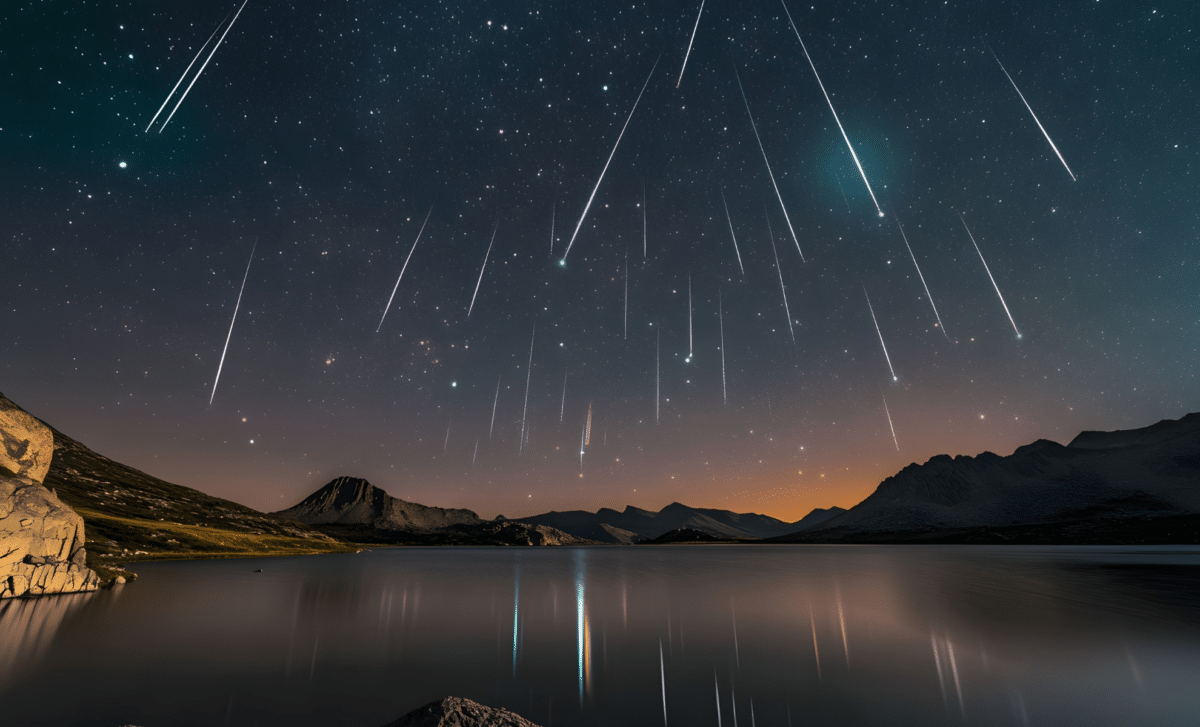
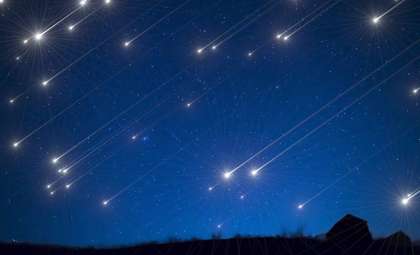
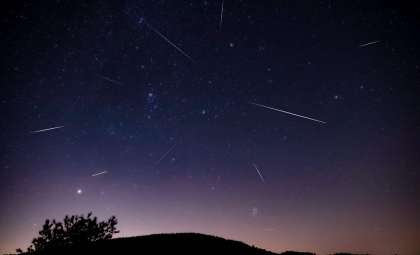
A rapid stream of ancient cosmic fragments is poised to paint the night sky as the Lyrid meteor shower reaches its yearly climax, with insights from the American Meteor Society. Celebrated for its sudden bright streaks and deep-rooted history, this astronomical event gives stargazers a unique chance to observe pieces of a faraway comet blazing through Earth’s atmosphere. Enthusiasts are gearing up for one of the season’s most eagerly awaited sky phenomena.
A Millennia-Old Meteor Shower With Rich History
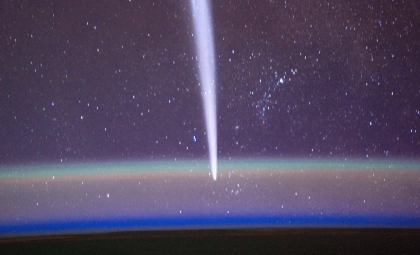
The Lyrid meteor shower boasts origins dating back over 2,600 years, ranking it among the oldest meteor showers ever documented. Its source is debris left behind by Comet C/1861 G1 Thatcher, a long-period comet with an orbit that exceeds four centuries around the Sun. Earth encounters this stream of cosmic dust annually, igniting tiny particles traveling at high speed as they enter the atmosphere.
What makes the Lyrids particularly captivating is their unpredictability. Although the shower usually features a moderate meteor count, historical accounts reveal sporadic intense activity spikes. These random outbursts provide astronomers with clues about the uneven distribution of comet debris in space over time.

Important Viewing Dates This April
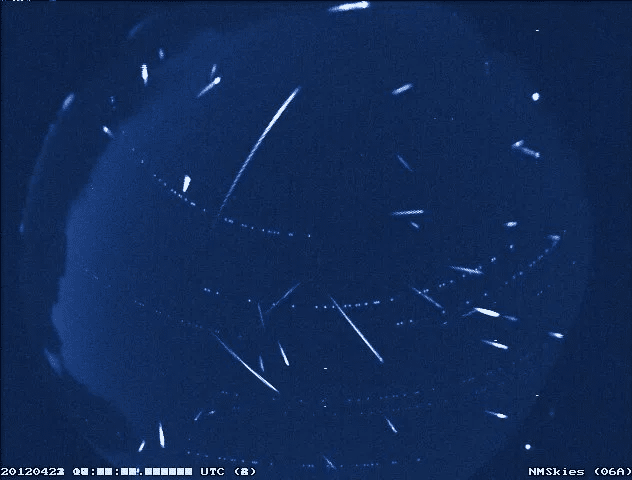
The Lyrid meteor shower follows a predictable schedule annually. For 2026, its active period spans from April 15 to April 29, with the peak forecasted during the night of April 21 into April 22. This peak marks Earth’s passage through the thickest segment of the debris stream, greatly boosting meteor visibility.
Since meteor activity surges sharply near the peak and declines rapidly afterward, precise timing is key. Those tuning in on the peak dates will have the greatest opportunity to witness the shower’s full intensity, while anyone missing this timeframe may only see sporadic meteors.
What Skywatchers Can Anticipate
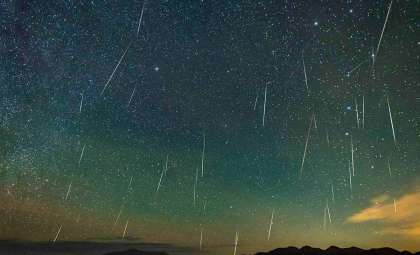
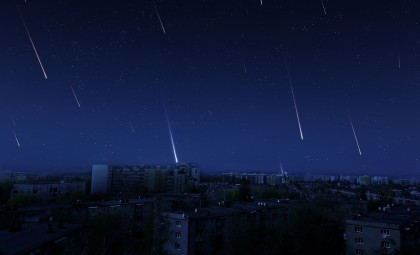
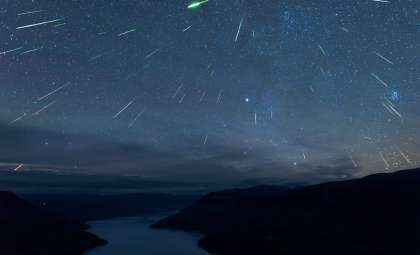
Data compiled by the American Meteor Society indicate the Lyrids generally produce about 10 to 20 meteors per hour under optimal dark sky conditions. The meteors are often bright and swift, frequently leaving behind glowing trails that fade shortly after their appearance.
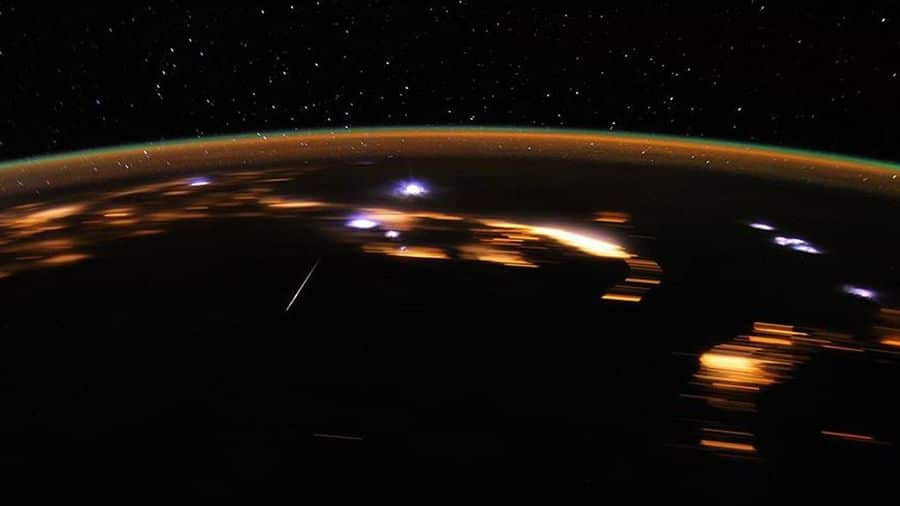
Occasionally, the Lyrids generate fireballs, exceptionally luminous meteors that briefly dominate the sky. The best viewing opportunities come after midnight, as the Lyra constellation ascends, placing the radiant in an ideal position for observers.
Even in years with average meteor activity, the Lyrids can create unforgettable celestial displays, especially when observed from dark locations free of light pollution.
- Categories:
- News


0 comments
Sign in to Comment