
NASA's innovative Artemis II expedition is providing fresh perspectives on lunar science and human factors in space travel. On April 6, astronauts conducted nearly seven hours of detailed observations of the Moon's surface during Orion's closest lunar approach, following a meticulously planned schedule crafted by the mission’s lunar science experts. This mission delivered remarkable images and essential insights into astronaut task performance in deep space, paving the way for sustained human activity on the Moon.
Health Monitoring and Data Gathering After Artemis II
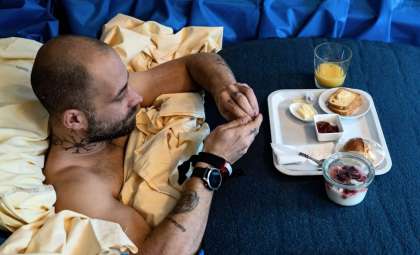
After safely landing in the Pacific Ocean on April 10, crew members Reid Wiseman, Victor Glover, Christina Koch, and Jeremy Hansen participated in vital studies aimed at understanding human physiological adjustments to spaceflight. Shortly after splashdown, they underwent comprehensive health evaluations measuring cardiovascular function, ocular health, and motor skills. Scientists also tested their ability to rapidly regain mobility using a compact obstacle course, simulating conditions for autonomous movement on planetary surfaces.
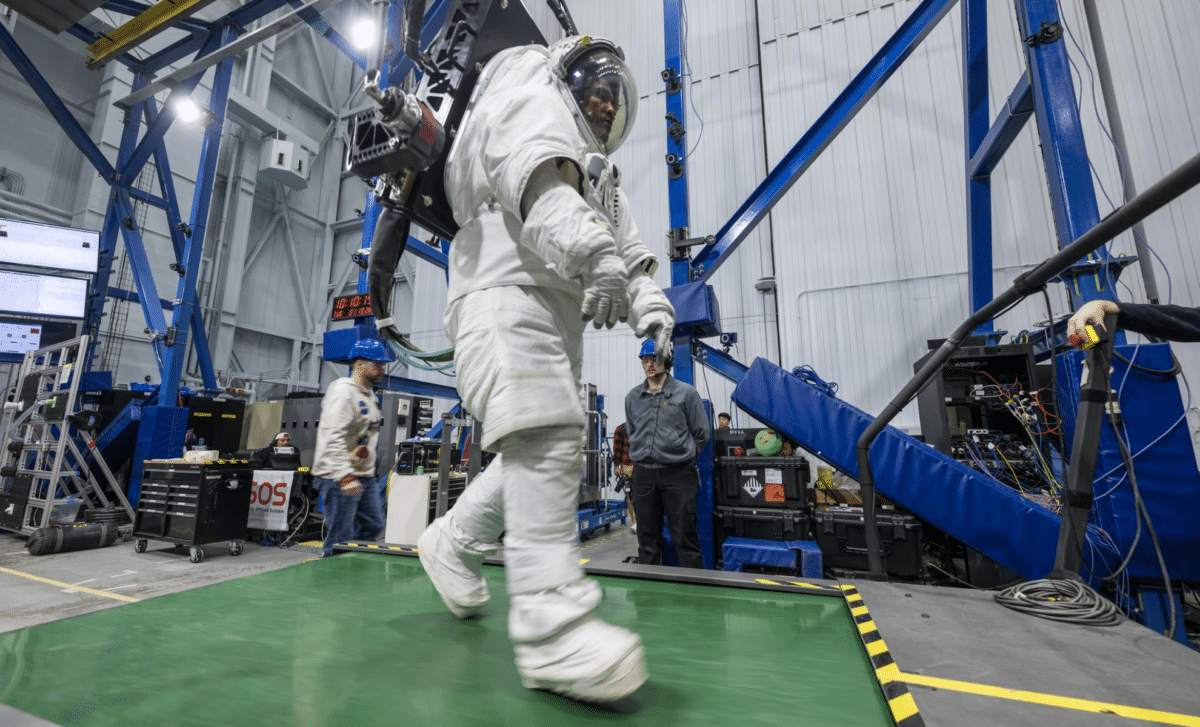
Back at NASA’s Johnson Space Center, the astronauts continued an intense protocol involving simulated lunar gravity—about one-sixth that of Earth—to assess mobility challenges while wearing reduced-weight spacesuits. Post-mission, the ARCHeR (Artemis Research for Crew Health & Readiness) initiative included tasks to evaluate cognitive and motor function, such as spacecraft docking simulations. Data collected from wrist-worn devices during flight complement these assessments, offering key insights into how space environments influence crew health and operational capabilities.

According to NASA’s update, blood and saliva samples were collected to investigate immune system responses and viral activity under microgravity. While formal monitoring concluded 45 days post-mission, NASA will continue health surveillance over the long term to build a comprehensive profile that supports future lunar and Martian ventures.
Organ Chip Technology Sheds Light on Molecular Effects of Spaceflight
The AVATAR (A Virtual Astronaut Tissue Analog Response) experiment incorporated miniaturized organ chips containing bone marrow cells from each astronaut that orbited the Moon alongside the crew. These samples are currently under study in Boston utilizing cutting-edge methods such as single-cell RNA sequencing. By comparing chips exposed to spaceflight conditions with Earth-based controls and astronaut blood analyses, researchers aim to detail how cosmic radiation and microgravity influence cellular and molecular processes.
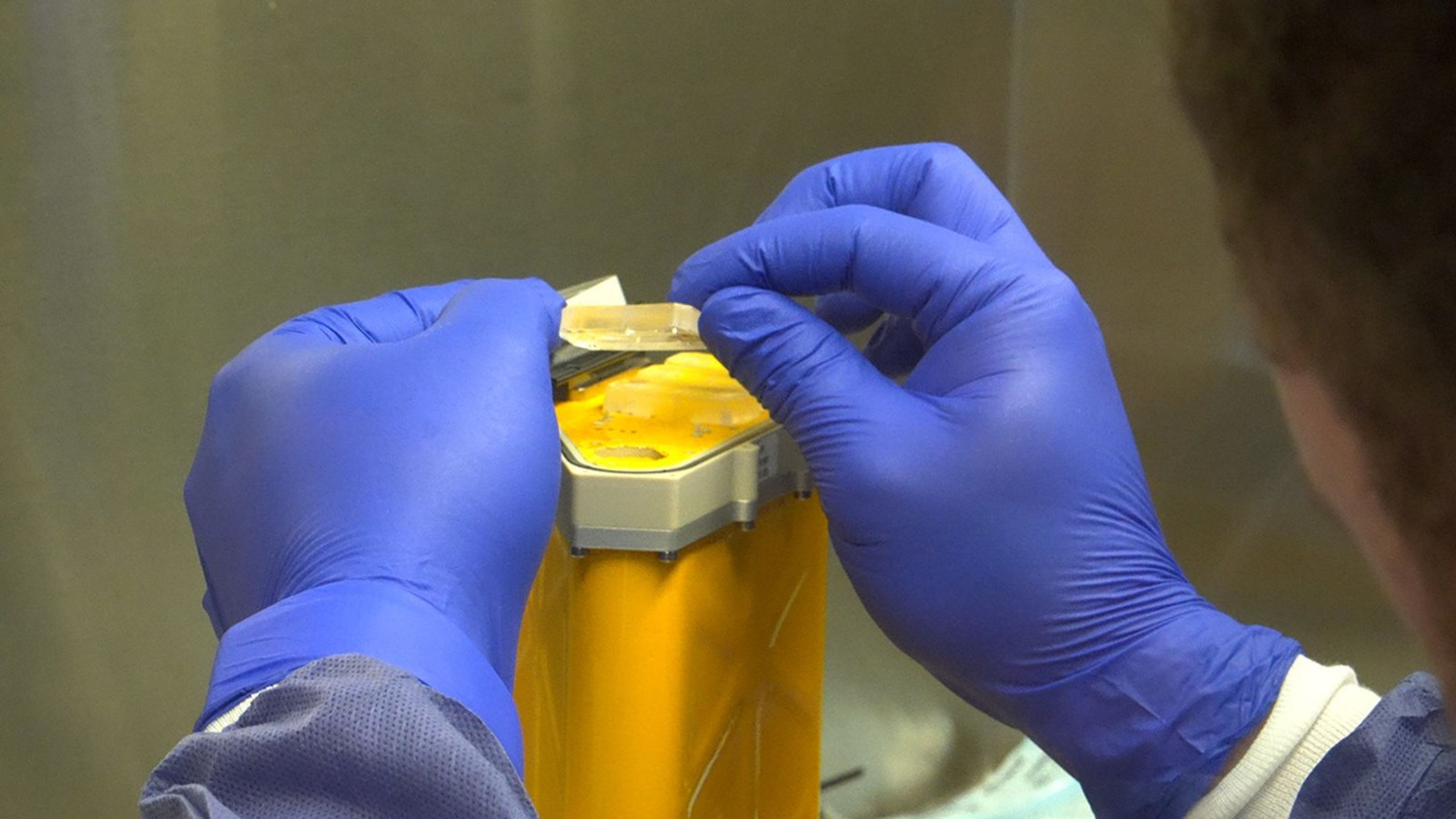
Preliminary discoveries may help customize medical supplies for astronauts by predicting individual biological responses to space environments, potentially deploying organ chips ahead of crewed missions. Researchers plan to present findings at upcoming scientific forums while continuing detailed investigations, laying groundwork for personalized healthcare in space exploration.
Lunar Surface Studies and Open Access to Artemis II Data
During their April 6 observations, the Artemis II team executed a carefully coordinated survey of lunar terrain lasting nearly seven hours. Scientists are now processing a vast dataset containing thousands of photos, extensive video footage, and over 100 audio clips, with initial scientific papers expected later this year. The analysis will include findings on impact flash events, color variations across lunar regions, and the morphology of fault lines and ridges, informing strategies for future lunar missions.
NASA intends to make approximately 11,500 images and video files publicly available, along with complete audio transcription archives via the Planetary Data System. Data are being formatted into standardized, searchable files to maximize accessibility for researchers, educators, and the public. This open data commitment offers an unparalleled chance to advance lunar science with unprecedented transparency and collaborative potential.
- Categories:
- Science




0 comments
Sign in to Comment