
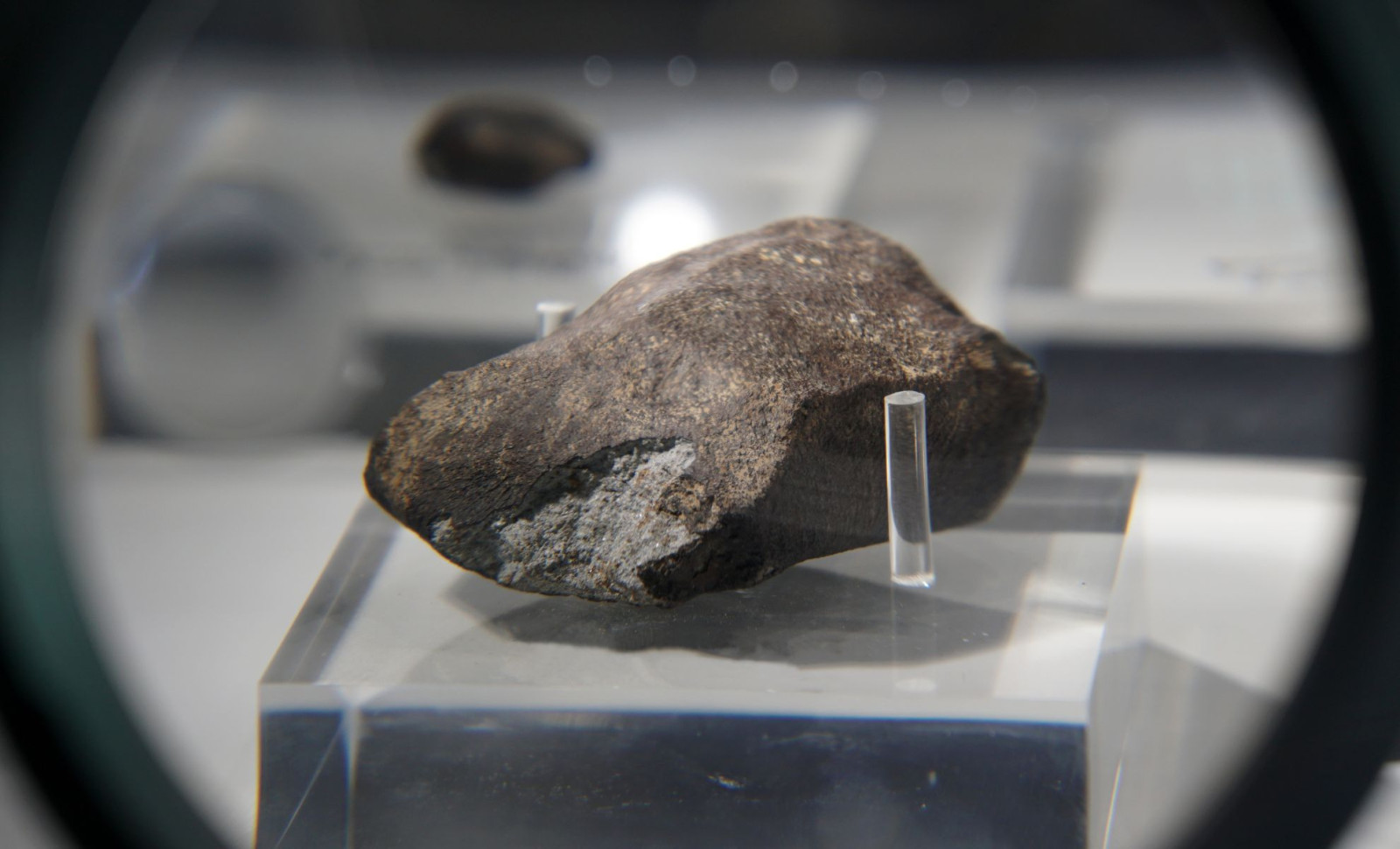
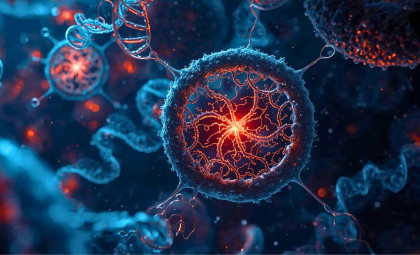
Scientists have identified all five fundamental nucleobases that compose DNA and RNA within samples extracted from the asteroid Ryugu. Published on March 16, 2026, in Nature Astronomy, this finding challenges the assumption that these life-essential molecules are unique to Earth, implying that key life components may form in space and be delivered to nascent planets like Earth.
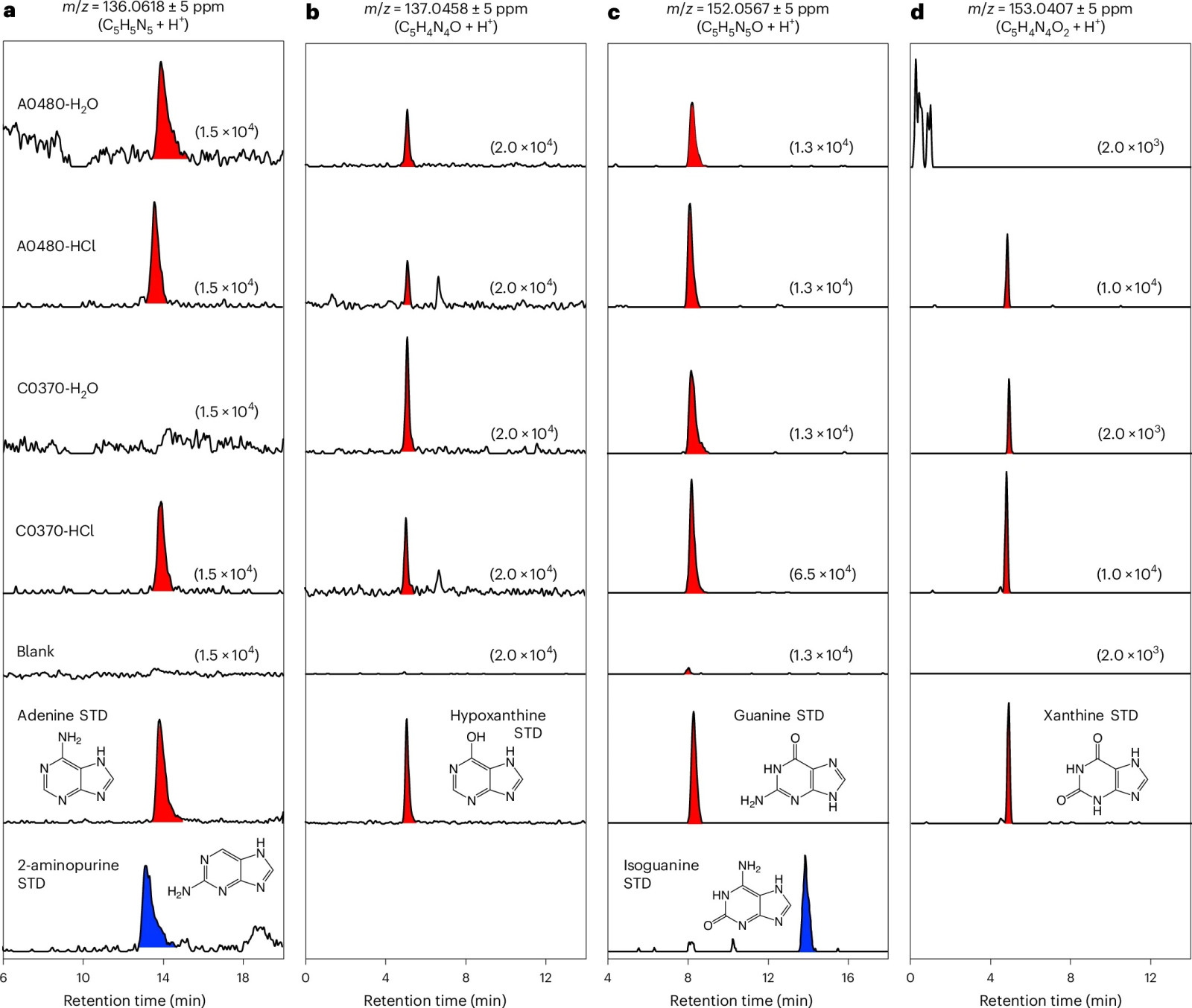
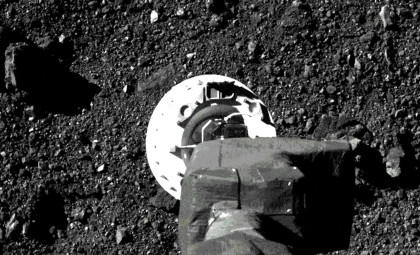
The samples, returned by the Hayabusa2 spacecraft launched by Japan in 2020, were analyzed to reveal the presence of adenine, guanine, cytosine, thymine, and uracil. These molecules are critical for encoding genetic information within DNA and RNA. Although this breakthrough does not confirm life exists elsewhere, it broadens the horizon for potential extraterrestrial origins of life’s fundamental chemistry.
Asteroids as Preservers of Early Solar System Chemistry
Asteroids like Ryugu serve as chemical archives from the dawn of the solar system, retaining ancient molecules from its formative era. Classified as a carbon-rich asteroid, Ryugu is thought to be a remnant fragment of a larger protoplanetary body formed billions of years ago.

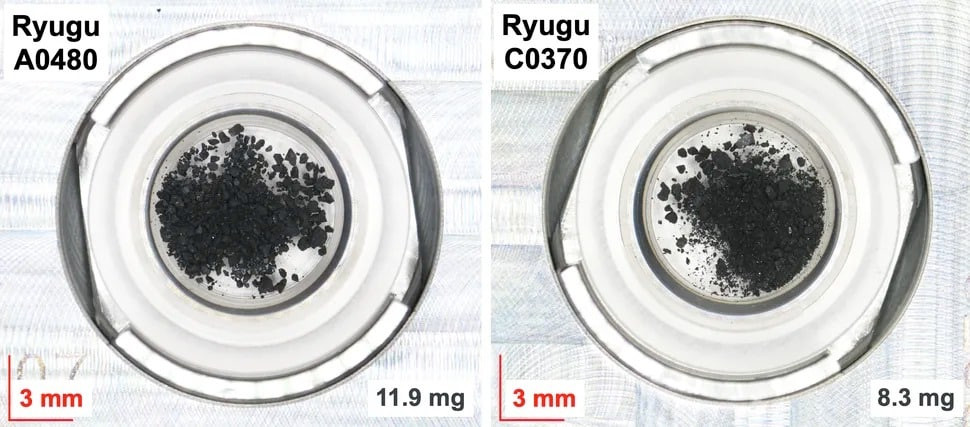
Japan’s space agency, JAXA, ensured that the Ryugu specimens were meticulously gathered and sealed to prevent contamination by Earth’s atmosphere, preserving a spotless chemical snapshot of the asteroid’s internal environment.
These uncontaminated samples act as chemical time capsules. While outer asteroid surfaces are quickly altered by cosmic radiation and other effects, subsurface layers remain shielded, preserving original organic compounds. Careful extraction of material beneath the surface allowed scientists to probe these ancient molecular records.
Confirming the Presence of Nucleobases in Space
Detecting the full set of nucleobases is a landmark achievement. The study featured in Nature Astronomy highlights the unique ratio between purine bases (adenine and guanine) and pyrimidines (cytosine, thymine, and uracil) in Ryugu samples, which differs from that found in meteorites such as Murchison.
“The detection of diverse nucleobases in asteroid and meteorite materials demonstrates their widespread presence throughout the Solar System and reinforces the hypothesis that carbonaceous asteroids contributed to the prebiotic chemical inventory of early Earth,” explained the study team.
This specific balance in nucleobase types implies that their creation in space likely follows defined chemical pathways influenced by the environmental conditions of the asteroid's progenitor body. The research points to ammonia concentration as a potential factor affecting nucleobase synthesis.
“Samples from Ryugu, Bennu and Orgueil, which have a similar mineralogy and elemental composition, show purine-to-pyrimidine ratios negatively correlating with ammonia. These observations indicate that the nucleobases in these samples may have formed via a shared pathway depending on the physicochemical environment of the respective parent bodies,” wrote the authors.
Common Precursors, Uncertain Origins of Life
While this evidence establishes that life's essential chemical components are widespread in space, it does not necessarily imply that life itself is commonplace. Researchers caution that finding nucleobases in asteroid samples signifies only that these molecules might have been transported to early Earth, potentially seeding the prebiotic chemical environment.
The study strongly advises against premature assumptions: although nucleobases are vital to life, their existence outside Earth doesn't confirm extraterrestrial life forms. Scientists advocate for comprehensive and diverse evidence to ascertain life’s presence beyond our planet.
- Categories:
- Science





0 comments
Sign in to Comment