
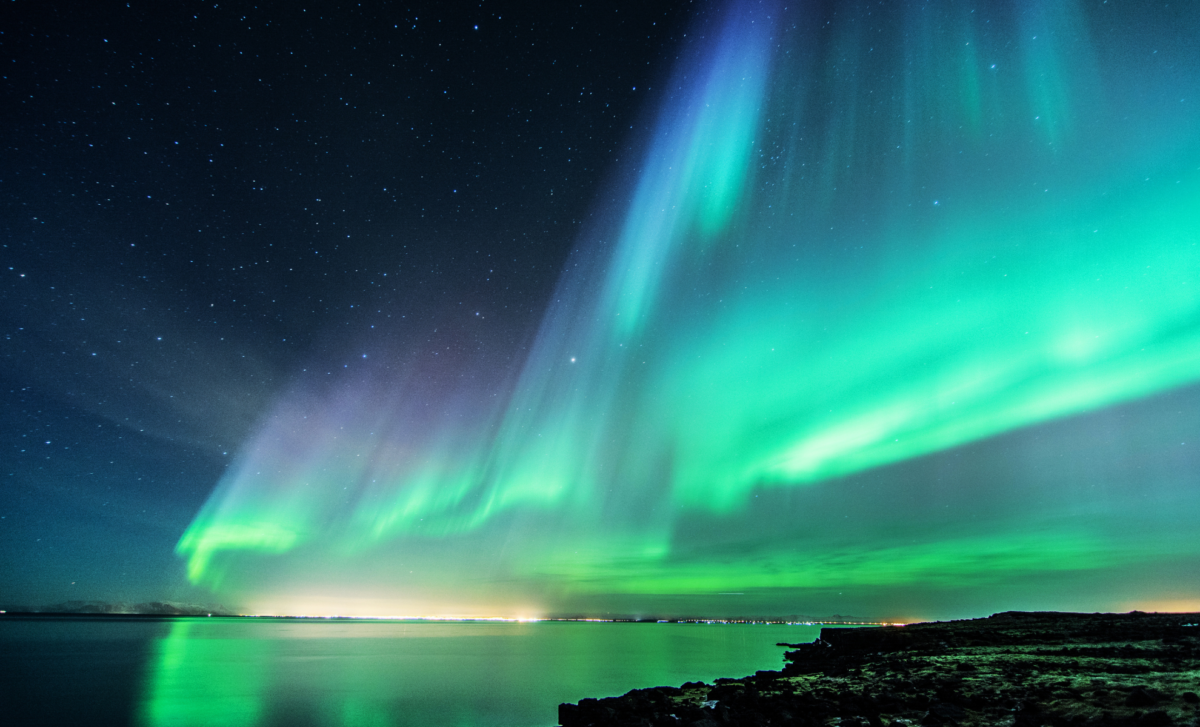
The latest prediction from NOAA indicates a major geomagnetic event that could bring the aurora borealis much further into the United States than typical, potentially becoming visible across 24 states. This surge in solar activity offers millions an opportunity to experience one of nature’s most breathtaking light shows.
An Uncommon Expansion of the Aurora Visibility
Usually, the northern lights are confined to high northern latitudes like Alaska and parts of Canada, where Earth’s magnetic field directs charged solar particles toward the poles. However, current forecasts show the auroral zone stretching unusually far south, reaching states that seldom witness this phenomenon.
This extension results from an increase in geomagnetic disturbances measured by the Kp index. Elevated Kp values reflect intensified disruptions in Earth’s magnetosphere, enabling the auroras to appear well beyond their standard range. Conditions for tonight suggest a strong enough event to make the lights visible in areas of the Midwest, Northeast, and some southern regions when skies are clear.

Whether the aurora can be observed will depend heavily on local environmental factors. Dark, rural locations free from light pollution and clear weather at peak geomagnetic times will significantly improve the chance of spotting either faint glows or more vivid auroral patterns.
NOAA’s Vital Role in Solar Activity Monitoring
This forecast comes from the National Oceanic and Atmospheric Administration (NOAA), which diligently tracks solar emissions and their effects on Earth’s magnetic field. With satellites and sophisticated models, NOAA predicts when solar winds and storms may impact Earth.
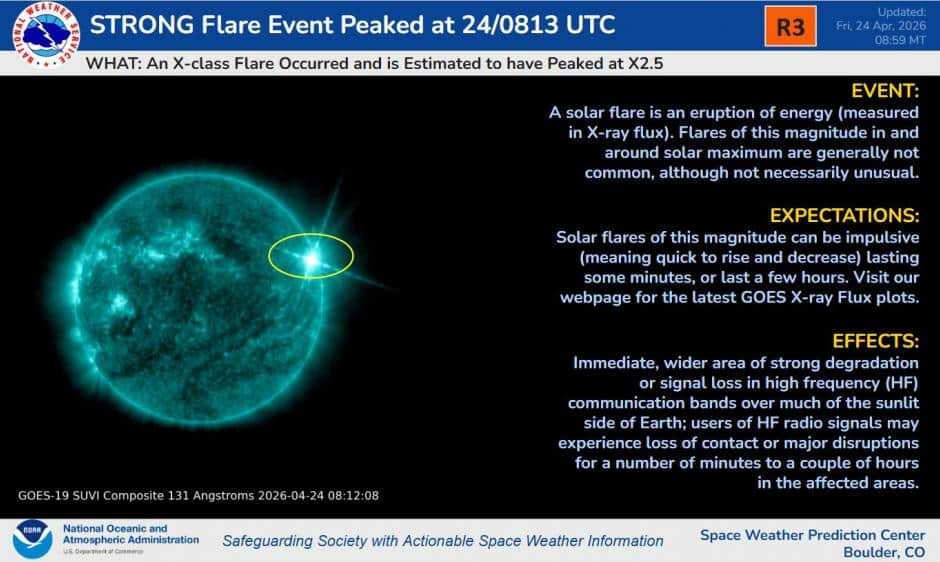
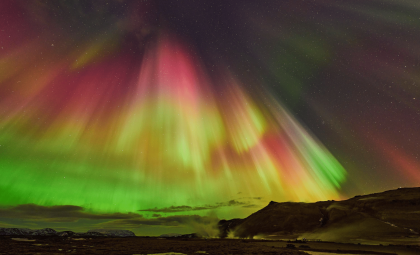
Such events primarily originate from coronal holes or solar flares, releasing charged particles that interact with the magnetosphere. This interaction excites atmospheric gases, creating the aurora’s distinctive shades of green, pink, and red.
NOAA’s Space Weather Prediction Center is essential in issuing these alerts, providing valuable information to not only aurora enthusiasts but also industries vulnerable to geomagnetic effects like aviation and electrical utilities. This highlights how auroras serve as both a captivating natural light display and a sign of broader space weather phenomena.
Tips for Watching the Northern Lights Tonight
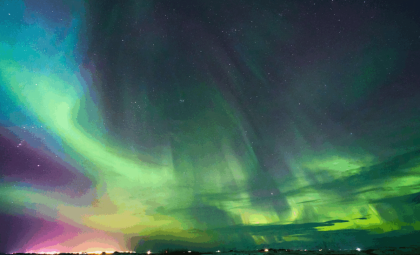
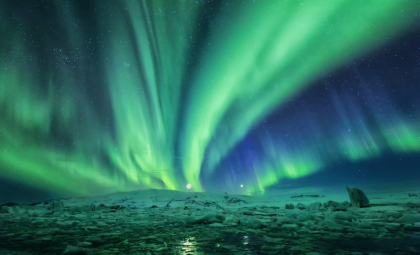
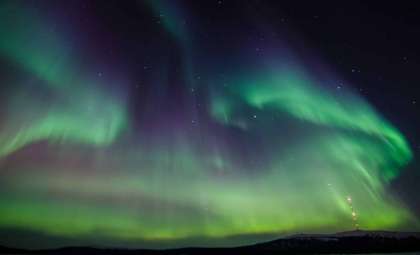
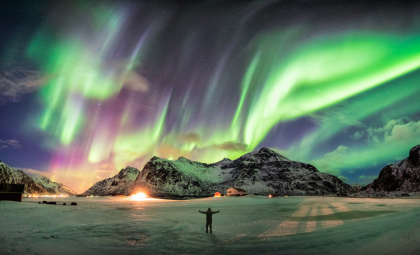
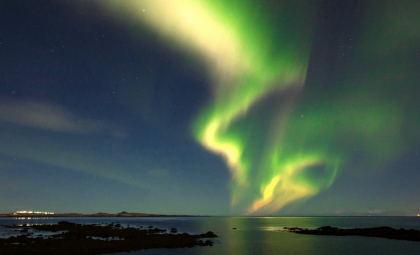
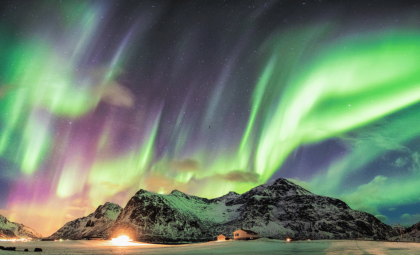
If you want to witness the display, face north after sunset, especially during the late evening when geomagnetic activity typically peaks. The auroras may begin as a subtle greenish glow, which can resemble distant city lights, before evolving into brighter arcs or flowing curtains.
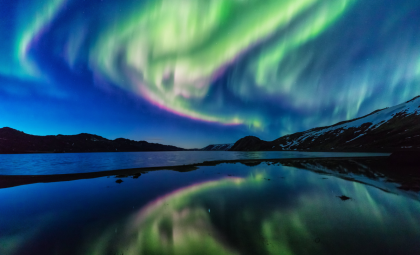
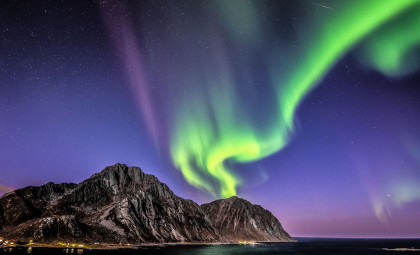
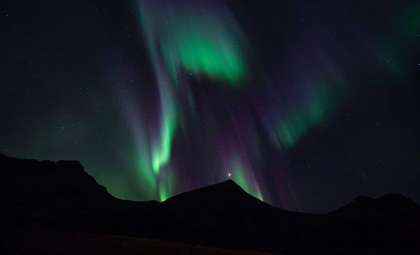
The spectrum of colors depends on the strength of the event: weaker shows usually result in gentle green hues, while more intense activity can display richer reds and purples, particularly in dark and clear skies. Smartphones often capture details invisible to the naked eye, making them useful for aurora spotting.
Weather plays a critical part; cloudiness can entirely block visibility, while clear, dark skies enhance the experience. Combining live aurora tracking tools with local weather forecasts can help maximize your chances of catching a memorable show.
- Categories:
- News

0 comments
Sign in to Comment