
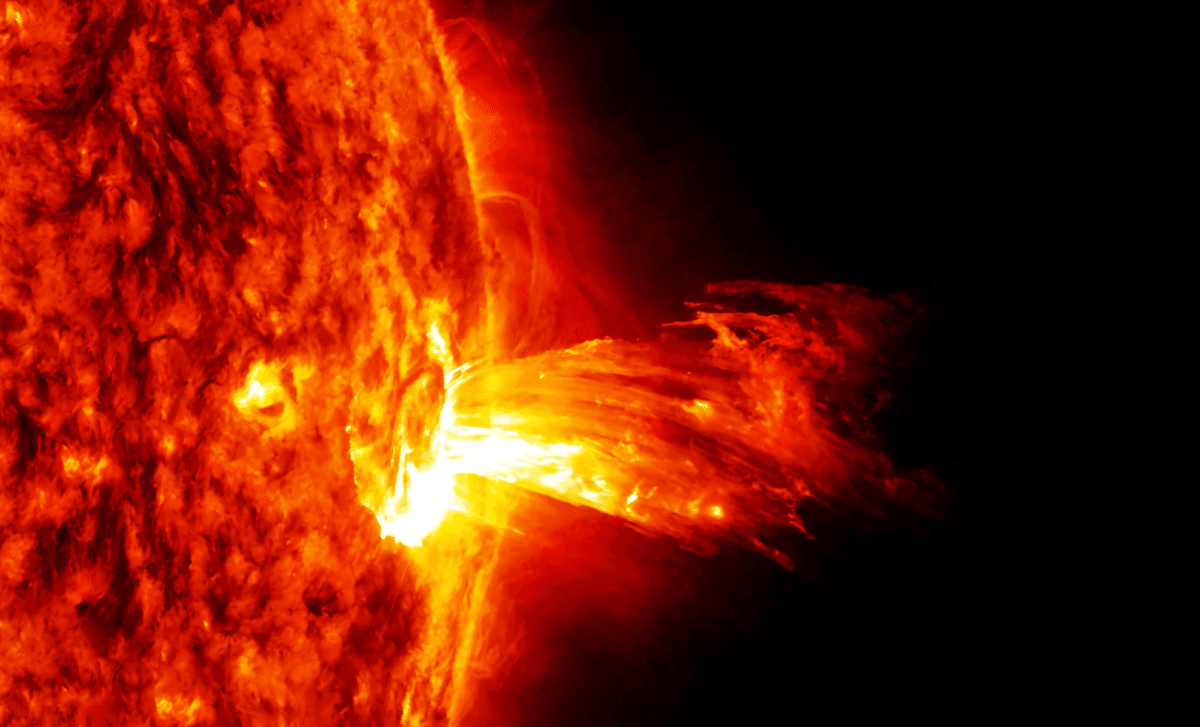
An unexpected and intense solar flare recorded in real time offers an exceptional glimpse into the fierce and unpredictable nature of our Sun. The video, shared by DudeLovesSpace, showcases the dynamic forces at play during solar eruptions.
Unique Solar Activity Filmed with Remarkable Precision
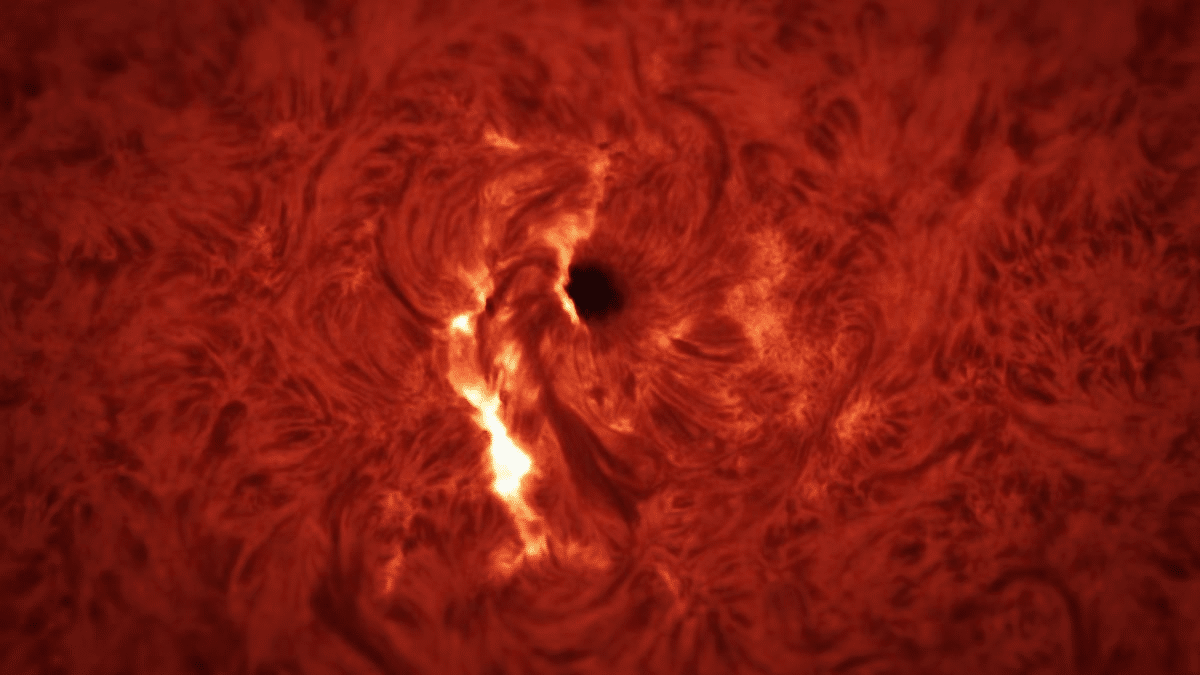
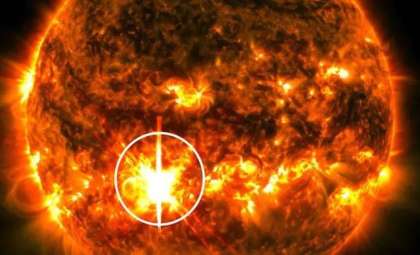
This footage focuses on an eruption originating from sunspot AR4392, a region already known for its magnetic instability. What sets this capture apart is the clarity and timing under nearly ideal observation conditions, revealing the eruption's progress in vivid detail.
As covered by ScienceAlert, the person who recorded the event shared their amazement. “What began as a clear, cloudless day quickly transformed into an extraordinary spectacle,” said DudeLovesSpace in the video description. “I never expected to witness such a massive flare erupt right from sunspot AR4392!”

Solar flares are sudden releases of magnetic energy stored in the Sun’s atmosphere, triggering bursts that propel charged particles and radiate energy across the electromagnetic spectrum. In this incident, bright plasma loops rapidly expanded outward before slowly dimming.
The value of this footage lies in its immediacy. Although satellites like NASA’s Solar Dynamics Observatory provide constant solar monitoring, terrestrial observations like this reveal intricate visual details that enhance scientific analysis.
Why Scientists Focus on Sunspot AR4392
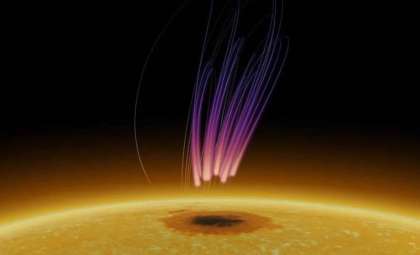
Sunspots are comparatively cooler, darker areas on the Sun’s surface with exceptionally strong magnetic fields. AR4392 has attracted attention due to its substantial size and magnetic complexity, factors that heighten the chance of powerful solar activity.
Flares from these active regions can significantly affect Earth. Intense eruptions have the potential to disrupt satellite communication, interfere with GPS navigation, and in extreme cases, cause disturbances in electrical grids. Thus, capturing these events in detail is crucial for understanding their development.
This video adds to ongoing research efforts tracking the Sun’s behavior in real time. Comparing observations from amateur astronomers with professional data sets helps scientists improve models that predict the timing and intensity of solar flares.
The Process of Translating Solar Activity into Sound
While space lacks sound waves, researchers convert solar electromagnetic data into audio signals through a method called sonification, revealing patterns in solar phenomena through sound.
When applied to flares such as the event from AR4392, the audio can seem unsettling due to rapid shifts in frequency and volume throughout the eruption. These sounds are not direct recordings but data-driven representations that provide scientists and the public with a novel way to experience solar events.
Combining live visuals with sonified data deepens our connection to solar eruptions and highlights just how potent and active the Sun remains, even in periods of apparent calm from our vantage point on Earth.
- Categories:
- Astronomy






0 comments
Sign in to Comment